My ExportersIndia

For Buyer

For Seller

For Help

Catalysts And Absorbents

Leading Manufacturer, Supplier & Retailer of Ursolic Acid, Plant Extract Ferulic Acid, Chlorogenic Acid, Oleanolic Acid and Corosolic Acid.

Ursolic Acid

  • Min. Order (MOQ) 1 Kilogram
  • CAS No.: 77-52-1
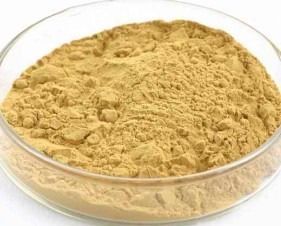
  • Appearance Fine powder
We are offering ursolic acid. name: ursolic acid specification: ursolic acid25-98%hplc cas no: 77-52-1 solubility: good solubility in ethanol color: white powderursolic acid 98%einecs: 201-034-0 chemistry: ursolic acid [(3)-3-hydroxyurs-12-en-28-oic acid] rarely occurs without its isomer oleanolic acid [(3)-3-hydroxyolean-12-en-28-oic acid] they may occur in their free acid form, or as aglycones for triterpenoid saponins which are comprised of a triterpenoid aglycone linked to one or more sugar moieties. Ursolic and oleanolic acids are similar in pharmacological activity. molecular formula : c30h48o3 molecular weight: 456.71 ursolic acid is a pentacyclic triterpene acid, used in cosmetics, that is also capable of inhibiting various types of cancer cells by inhibiting the stat3 activation pathway and human fibrosarcoma cells by reducing the expression of matrix metalloproteinase-9 by acting through the glucocorticoid receptor. ursolic acid is also known as prunol, malol, urson, beta-ursolic acid, nsc4060, ccris 7123, chebi:9908, tos-bb-0966, and 3beta-hydroxyurs-12-en-28-oic acid. As medicine it is well tolerated and can be used topically and orally. ursolic acid is present in many plants, including apples, basil, bilberries, cranberries, elder flower, peppermint, lavender, oregano, thyme, hawthorn, prunes. pharmacological activities contemporary scientific research which led to the isolation and identification of ursolic acid revealed and confirmed that several pharmacological effects, such as antitumor, hepatoprotective, anti-inflammatory (oral and topical), anti-aging, , antiulcer, antimicrobial, anti-hyperlipidemic, sedation, antioxidation and antiviral, hair growth stimulant, can be attributed to ursolic acid which is widely used in medicine.it can inhibit elastase. However, its anti-inflammatory (topical), antitumor (skin cancer), and antimicrobial properties make it useful in cosmetic applications. how to take ursolic acid?the only dose from which to work from is 10mg/kg bodyweight. note: do not confuse with usnic acid

Additional Information:

Payment Terms : L/C, T/T, Western Union,

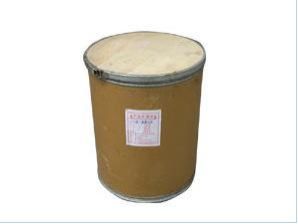
Packaging Details : Packed in paper-drums and two plastic-bags inside

Delivery Time : 7-25 days after receiving full payments

View Complete Details

Plant Extract Ferulic Acid

90 / 10000 10000 Kilogram Get Latest Price
  • Min. Order (MOQ) 1 Gram
  • Brand Name Staherb
  • Specifications 98%
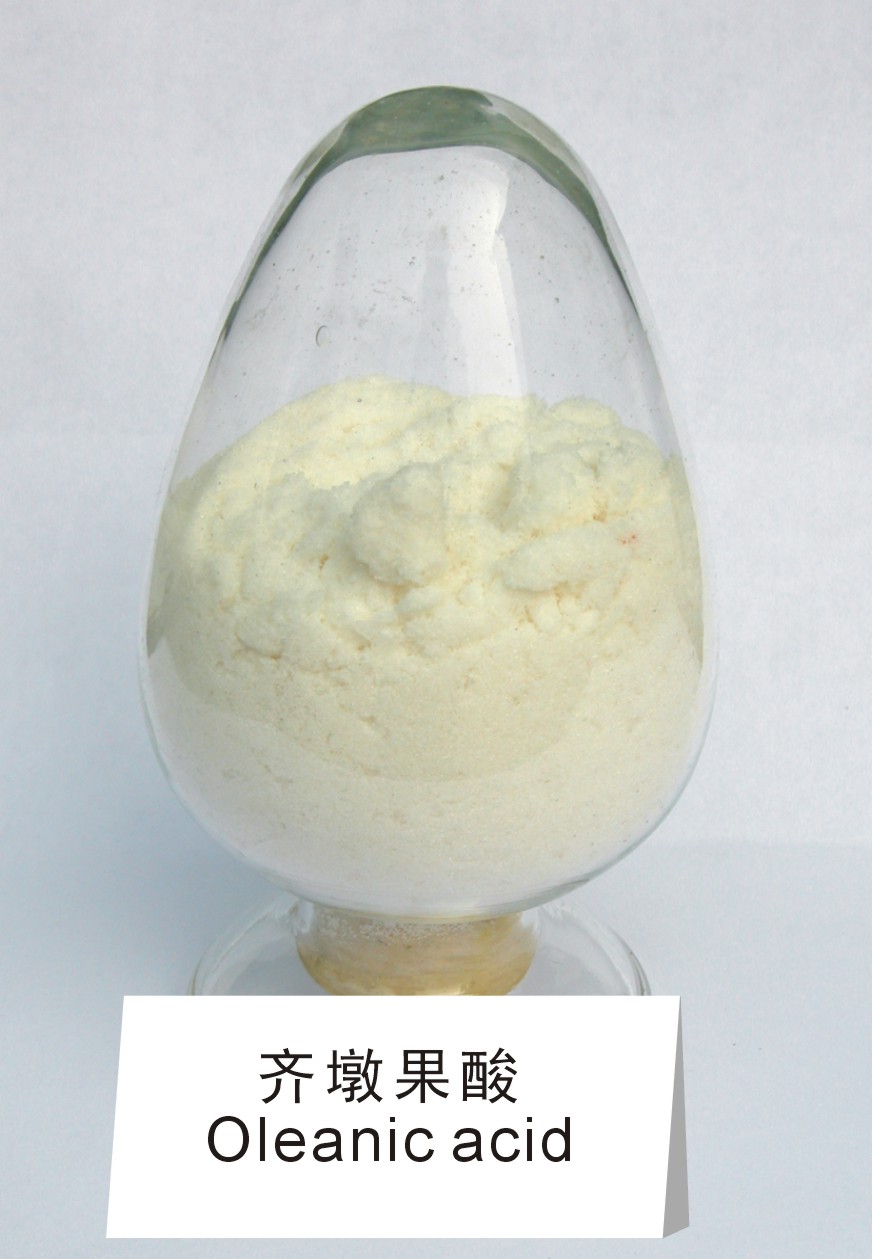
We are offering plant extract ferulic acid. ferulic acidplant origin: seeds of plants such as in rice, wheat, and oats, as well as in coffee, active ingredients: ferulic acidspecifications: 98%test method : hplcappearance: off white to yellowlatin name: molecular formula: c10h10o4molecular weight: 194.19 g/molcas no.: 1135-24-6 ferulic acid is a hydroxycinnamic acid, a type of organic compound. It is an abundant phenolic phytochemical found in plant cell wall components such as arabinoxylans as covalent side chains. It is related to trans-cinnamic acid. As a component of lignin, ferulic acid is a precursor in the manufacture of other aromatic compounds. The etymology is from the genus ferula, referring to the giant fennel (ferula communis). what is ferulic acid?pure ferulic acid is a yellowish powder. Ferulic acid belong to the family of hydroxycinnamic acid. The chemical structure of ferulic acid is very similar to that of curcumin. distributionthe phytochemical ferulic acid is found in the leaves and seeds of many plants, but especially in cereals such as brown rice, whole wheat and oats. Ferulic acid is also present in coffee, apple, artichoke, peanut, orange and pineapple. ferulic acid is an antioxidant which neutralizes free radicals (superoxide, nitric oxide and hydroxyl radical) which could cause oxidative damage of cell membranes and dna. Ferulic acid helps to prevent damage to our cells caused by ultraviolet light. Exposure to ultraviolet light actually increases the antioxidant potency of ferulic acid. Ferulic acid is often added as ingredient of anti-aging supplements. Studies have shown that ferulic acid can decrease blood glucose levels and can be of help to diabetes patients. ferulic acid seems to protect against cancer, bone degeneration, menopausal symptoms (hot flushes). Like many other antioxidants, ferulic acid reduces the level of cholesterol and triglyceride, thereby reducing the risk of hearth disease. Ferulic acid seems to reduce the risk of many cancers, including cancer of the stomach, colon, breast, prostate, liver, lung and tongue. A study by w kuenzig et all caffeic and ferulic acid as blockers of nitrosamine formation published in carcinogenesis (vol 5, 1984) showed that dietary caffeic acid and ferulic acid may play a role in the body's defence against carcinogenesis by inhibiting the formation of n- nitroso compounds. ferulic acid can be converted into the flavour vanillin by biochemical reaction. * providing natural product research and product customization service. eucommia ulmoides extract, chlorogenic acid 5%-98%banaba leaf extract, crosolic acid 1%-98%privet leaf extract, ursolic acid 15%-98%, 25%honeysuckle flowers extract, chlorogenic acid 5%-99%bitter apricot seed extract, amygdalin 50%-98%flax seed extract, secoisolariciresinol diglucoside 20%40%grape skin extract, resveratrol 50%-98%rhubarb extract, emodin 50%, 98%ampelopsis gressedentata extract, dihydromyricetin 25%, 98%china bayberry bark extract, myricetin 25%-98%grape seed extract, opc(oligomeric proantho cyanidins) 5%-98%eurycoma longifolia extract, 4:1, 10:1, 100:1shorthorned epimedium extract, icariin 50%-98%fructus lycit extract, lycium barbarum polysaccharides 20%-50%chinese blueberry extract, opc(oligomeric proantho cyanidins) 10% 15%20%magnolia bark extract, magnolol 20%-98%hnokiol 20%-98%magnolol+hnokiol 20%-98%lotus leaf extract, nuciferine 2%ginseng extract, total ginsenoside ginseng root 10%-80%mulberry leaf extract, 1- deoxynojirimycin(1-dnj) 1%-20%, 98%tomato extract, lycopene 5%-90%artemisia annua extract, artemisinin 98%swertiapatens extract, swertiamarin 25%-98%feverfew extract, parthenolide 25%-98%polygonum cuspidatum extract, resveratrol 25%-98%ligustrum lucidum ait extract, oleanic acid 98%scutellaria root extract, baicalin 20%-85%privet leaf extract, ursolic acid 25%-98%bearberry leaf extract, -arbutin 98%privet leaf extract, alpha-arbutin 98%grape seed extract, opc, 95%privet leaf extract, oleanic acid 98%ampelopsis grossedentata, dihydromyricetin dmy 98%rhubarb extract, emodin 50%-98%salvia root p.e, tanshinone iia 2%-98%salvia root p.e, cryptotanshinone 2%-98%olive leaf extract, hydroxytyrosol 5%-85%olive leaf extract, olives bitter glycosides 18%-60%gotu kola extract, asiaticoside 10%-90%gotu kola extract, madecassoside 10%-90%green tea extract, egcg 50%-998%tomato extract, lycopene 5%-90%rosehip extract, polypheol 10%20%rosemary extract, rosmarinic acid 2.5%-98%peony extract, paeoniflorin 5:1, 10:1, 20:1 10%-95%rosemary extract, rosmarinic acid 2.5%-98%st johns wort extract, hypericin 0.3% by uvfructus momordicae extract, mogroside v 25%-80%etc.

Additional Information:

Payment Terms : L/C, T/T, Western Union,

Packaging Details : Packed in paper-drums and two plastic-bags inside

Delivery Time : Timely

View Complete Details

Chlorogenic Acid

  • Min. Order (MOQ) 1 Kilogram
  • Brand Name Staherb
  • CAS No.: 327-97-9
We are offering chlorogenic acid. Cas.no.: 327-97-9usage: antibiosis, antiviral, anti-inflammatory antimutagenicityanti-aging, anti-tumor, depressurizationchlorogenic acid chlorogenic acid is a phenolic natural product isolated from the leaves and fruits of dicotyledonous plants, including the coffee bean. The ester of caffeic acid with quinic acid, is one of the most abundant polyphenols in the human diet with coffee, fruits and vegetables as its major sources. Its antioxidant and anticarcinogenic properties have been well established in animal studies chemical propertiesstructurally, chlorogenic acid (cga) is the ester formed between caffeic acid and (l)-quinic aicd(1l-1(oh), 3, 4/5-tetrahydroxycyclohexanecarboxylic acid). Isomerisation of the quinic acid in position 3, (3-cqa), 4 (4-cqa) and 5 (5-cqa). Isomerisation at position 1 has not yet been reported. Isomers of chlorogenic acid are found in potatoes. They are 4-o-caffeoylquinic acid (crypto-chlorogenic acid), 5-o-caffeoylquinic acid(neo-chlorogenic acid), 3, 4-dicaffeoylquinic acid and 3, 5-dicaffeoylquinic acidbiological propertiesthe biological properties of chlorogenic acid depend on its absorption in the gut and on its metabolism. Although the bioavailabilities of caffeic and ferulic acids have been investigated in several studies little is known about the bioavailability of chlorogenic acid. In rats and humans, chlorogenic acid ingested as a pure compound or in coffee has not been detected or found only as traces in urine. This was attributed to a poor absorption of chlorogenic acid through the small intestine barrier. Chlorogenic acid was also shown to be metabolized by the gut microflora into various aromatic acid metabolites including m-coumaric acid and derivatives of phenylpropionic and benzoic acids. These microbial metabolites may contribute to explaining the biological properties of polyphenols poorly absorbed in the gut such as chlorogenic acid. However, their importance has seldom been assessed in vivobiological importancethis acid is an important factor in plant metabolism. It is also an antioxidant and an inhibitor of the tumor promoting activity of phorbol esters; chlorogenic acid and caffeic acid are antioxidants in vitro and might therefore contribute to the prevention of type 2 diabetes mellitus and cardiovascular disease .chlorogenic acid has been proven in animal studies in vitro to inhibit the hydrolysis of the glucose-6-phosphate enzyme in an irreversible fashion. The studies also confirmed a reduction in blood glucose levels and an increase in the intrahepatic concentrations of glucose-6-phosphate and of glycogen.chlorogenic acid can be used as anti-infectious active ingredient, it has wide anti-virus, anti-bacteria effects, and has relatively lower toxicity and side-effects. It has obvious anti-infectious effects, and does not like to lead anti-microbial resistance. Chlorogenic acid, best ingredients for cosmetic productsi. Strong anti-oxidant ability ii.100% water soluble iii.very stable at normal temperature iv.pure white v. No hypersusceptibility vi.100% natural vii.100% safe for honeysuckle flower is drink as a tea for more than 2000 years in china.

Additional Information:

Payment Terms : L/C, T/T, Western Union,

Packaging Details : Packed in paper-drums and two plastic-bags inside

Delivery Time : 7-25 days after receiving full payments

View Complete Details
Tell Us What are you looking for? Will call you back

Contact Us