 Write a Review
Our Products
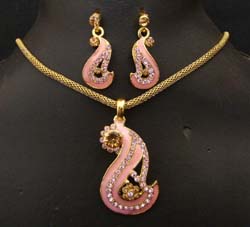
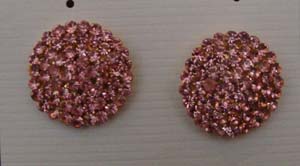
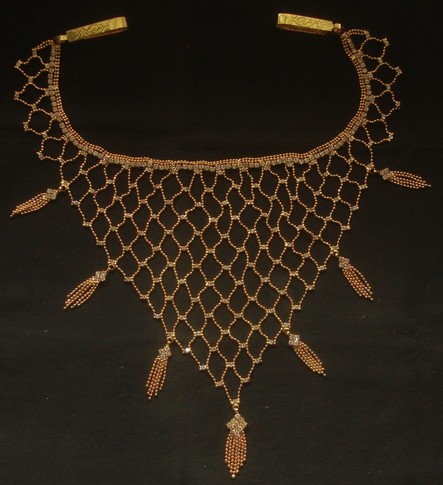
We offer the best product range of Kundan Earring Pairs, Indian Jewelry Fashion Bracelets, Handmade Bag, Polki Jewellery Pendant and Indian Traditional Wedding Kalira.
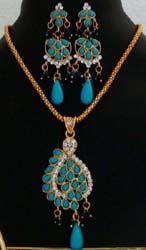
Polki jewelry is created out of uncut diamonds and basically built around the shape. Rather than finishing them off to a specific size and shape, the base metal is molded around these uncut diamonds to create a beautiful and unique design. If you replicate one set of jewelry using Indian polki you will still be able to see the uniqueness and different character of the new jewelry piece. This is because the cut of the diamonds will differ from the previously created piece.
You may be able to find a combination of emerald, rubies and the glassy colored uncut diamonds known as polki. The choker normally has uncut diamonds studded in a specific circular or square shape. The other stones which are utilized to showcase the diamond polki are also suspended from the base of the chocker to softly glide vertically on the neck. Both sides of the necklace have gold chains or woven strings attached to them. These are adjustable therefore you can actually decide what length to wear the necklace at. The earrings complement the neckpiece and you can even get sets which have bracelets using the same gemstone. The beauty of the Indian polki jewelry is that you can collect different pieces and mix and match them to wear them together. Because the gemstone is similar in its hue and the cut is unique to each piece, the pieces can be incorporated to complement each other. In fancy elaborate jewelry pieces the earrings can become very heavy and drag on the ears. In order to make them easier to wear a chain or a string of pearls is often attached to the top of the earrings.
This string is either pinned to the hair to take off the weight of your earrings from the ears or it can be suspended at the back of the ears. Apart from this you may even be able to match the forehead adornment worn traditionally by Indian and Pakistani women especially if they are brides. This is traditionally called the tikka and is worn in the center parting of the head. Bespoke Indian Polki Jewelry You can in fact now ask for polki and gold jewelry cut out from filigree design or ask your jeweler to create a traditional gemstone laden set in gold. Whether it's solid gold or incorporated with a few gems and pearls, Indian gold jewelry has an appeal of its own. Rather than being worn in matching sets of earrings, a choker or long necklace and bracelet, Indian gold jewelry is also sold in separate pieces now and minimalism is the current fashion trend at least in the city centers. It is not uncommon for women to mix and match jewelry pieces like the polki choker with solid gold bracelets and filigree earrings. Whatever the fashion trend there is something for everyone when it comes to selecting Indian gold jewelry pieces to match their outfits.
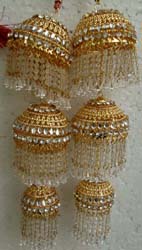
Kaliraare historically worn by Sikh brides, however, Indian brides from any state are now wearing them because of their hip new styles. The bride typically wears 21 red and cream bangles andkalira. Kalira are then tied to the bangles by the bride's maternal aunt and uncle during the Chooda ceremony. (The purpose of kalira is to make housework impossible!) These bangles and kalira are worn throughout the wedding ceremony and 40 days afterwards. Throughout India you will see newly married brides adorned with armfuls of red bangles.
The maaiyan of the bride starts three days before the wedding, which means she is now not supposed to leave the house until the big day. These days are meant for complete relaxation. She is not even supposed to meet the groom (if he can stay away!). The morning of the wedding, batna, a paste of flour and turmeric, is applied to the face, hands and legs of the bride. This is believed to beautify the skin. She then has a bath and sits for the puja, after which she is made to wear the bridal 'chura', red and white ivory bangles that signify her status as a bride. Her relatives then tie a kalira (jingle) on these churas, which convey their good wishes and blessings. The eligible girls line up and the bride lightly bangs her kaliras on their head. It is believed that by doing this, these girls would be the next to get married.
Similarly the groom's relatives also apply batna, more as a jest than a serious ceremony. This is followed by a puja, after which his mother ties a sehera (veil of flowers) on his turban, praying that his life ahead will be as beautiful and fragrant as the flowers. (And if the groom is ugly, the more of his face covered, the better!) He is then seated on a female horse and his sisters tie a mauli (sacred thread) on the reins of his horse. They also detain the horse in the tradition known as baagpakdai, saying that they won't leave it's reins unless their brother bribes them. Once they are satisfied with the cash or jewellery bribe, they release the reins so the groom can gallop off to fetch his bride.
Once this is done the boy's father sprinkles water on the newly-weds to say that if there are misunderstandings between them, he will help calm them down - not add fuel to the fire. The bride then makes a tearful farewell to her new home in what is known as the 'bidai'. Traditionally she would sit in a doli (palanquin) which would be carried by the bride's brothers. Even now some brides sit in a doli, which takes her to the getaway car, where the groom and a few members of his family are waiting to escort her home. She gets in, and zooms off to her new home - and new life.
| |||
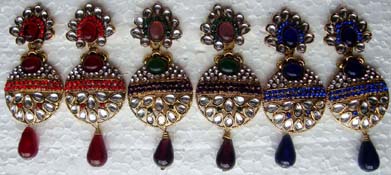
| The Mesmerizing and Priceless Kundan Jewellery :Down the ages, jewellery is considered as a form of embellishment to a woman. It completely transforms a woman. Indian jewellery with its intricate designs and skilful craftsmanship has never failed to fascinate people all over the world. Ranging from a simple piece of jewellery to the most fashionable and beautiful designs, jewellery is found in many varieties. The Kundan jewellery is one among them which is very popular these days. The Unique Features of Kundan Jewellery :The history of Kundan jewellery dates back to the Mughal period. The skill of creating these magnificent pieces of jewellery originated in Delhi but later on reached Rajasthan, ever since then Rajasthan is known as the centre of Kundan jewellery. One of the most incredible features of this jewellery that sets it apart from other jewellery is the skilful manner of setting the precious stones in gold or silver. The rare gems are placed in gold where holes are cut for it to be placed. Resin is used in the centre part of the jewellery. The beauty of Kundan jewellery lies in the fact that it still retains its old designs which bestows on it an appearance of elegance and royalty. The jewellery was mainly worn by the Mughal royals. But now the Kundan jewellery is designed in latest fashions and trends. The most commonly used stones in this jewellery are sapphire, emeralds, jade, topaz and rubies. A Magnificent Bridal Accessory :In India, the Kundan jewellery is worn exclusively by brides as it is an integral part of the Indian traditional weddings. The jewellery is found in red and green stones as it blends well with the traditional bridal wear. But now designers are keen on experimenting it with various other colors of stones as well. A complete Kundan set of jewellery comprises of a beautiful necklace and a pair of earrings. But you can find matching maang tilak, bangles, anklets and so forth with it. There are many online shopping centres where you can find exquisite pieces of Kundan jewellery. The b2b markets are flooded with some of the rarest pieces of this jewellery. Truly, the Kundan jewellery with some of its masterpieces has proved to be dazzling pieces of art. |
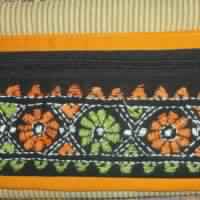
Handmade Textile Purse Wholesale Manufacturer
1. Handcrafted embroidered textile ladies purse exporter2. Manufacturing Supports, OEM services3. Custom designs could be made4. Samples are available5. All types of handbags and purse like Embroidered, Jute, Sequins, Clutch, Satin and Beaded bags are available6. Visit to our websitewww.xportbags.comfor more design
More Information about Handmade Textile Purse:Handmade textile purse are elegant pieces of textile bags are a rage among the buyers, especially meant for ladies. These are generally light weight and are offered in a variety of colors and features beautiful embroidery. These Embroidered shoulder bags are not only a means to store and protect various items but also provides an additional aura of beauty. These handmade textile purse are available in innumerable styles and design that is bound to suit the distinct taste of the buyers.
Design & Style : Handmade Textile purse have an art that stretches back to antiquity, designers use many types of techniques while making embroidery works. Embroidered works may include stitches such as running stitch, back stitch, stem stitch, feather stitch, interlacing stitch, satin stitch, cross stitch etc. Embroidered textile purse exists in exquisite variations and vibrant colors, and have a unique style. Handmade textile purse is also used by various organizations for logo enhancement and promotional campaigns, the promotional bags range from small bags to very large beach bags.
Fabrics : Handmade textile ladies purse, textile handbags, textile printed side bags, handcrafted textile shoulder bags, embroidered textile handbags, handmade textile document folder handbags are beautiful designed and embroidered works in styles ranging from traditional to contemporary. These handbags are etched out in various fabrics such as silk, jute, cotton and canvas. Handcrafted Textile bags and purses fabrics used are nylon, plastic, denim, polyester, vinyl, etc.
 Saptarshi Mitra (Emfex)
 14/b, Avilasha, Rabindra Nagar, Asansol, West Bengal - 713304
 Share us via