
 Write a Review
Our Products
We offer the best product range of Lemongrass Oil, Citronella Oil, Ginger Oil and Turmeric Oil.
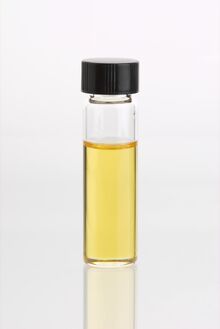
We are offering lemongrass oil. lemongrass oil lemongrass is a plant. The leaves and the oil are used to make medicine. Lemongrass is used for treating digestive tract spasms, stomachache, high blood pressure, convulsions, pain, vomiting, cough, achy joints (rheumatism), fever, the common cold, and exhaustion. It is also used to kill germs and as a mild astringent. some people apply lemongrass and its essential oil directly to the skin for headache, stomachache, abdominal pain, and muscle pain. by inhalation, the essential oil of lemongrass is used as aromatherapy for muscle pain. in food and beverages, lemongrass is used as a flavoring. For example, lemongrass leaves are commonly used as lemon flavoring in herbal teas. in manufacturing, lemongrass is used as a fragrance in soaps and cosmetics. Lemongrass is also used in making vitamin a and natural citral. how does it work? lemongrass might help prevent the growth of some bacteria and yeast. Lemongrass also contains substances that are thought to relieve pain, reduce fever, stimulate the uterus and menstrual flow, and have antioxidant properties. other names: andropogon citratus, andropogon flexuosus, british indian lemongrass, capim-cidrao, ceylon citronella grass, citronella, citronnelle, citronnelle de ceylan, citronnelle des indes, citronnelle de java, citronnelle de madagascar, cochin lemongrass, cymbopogon citratus, cymbopogon flexuosus, cymbopogon nardis, east indian lemongrass, fever grass, guatemala lemongrass, herbe citron, hierba de limn, jonc odorant, lemon grass, madagascar lemongrass, verveine indienne, west indian lemongrass.
Additional Information:
Payment Terms : T/T
We are offering Citronella Oil. Introduction To Citronella Oil: Citronella oil is a volatile oil which is distilled using steam from the greenish blue, lemon-scented leaves and stem of the plant Cymbopogon nardus (Ceylon citronella) or Cymbopogon winteratus (Java type citronella) and the main constituents being citronellal and geraniol. In trade, citronella oil is categorised into two types: 1) Ceylon citronella oil - obtained from Cymbopogon nardus Rendle, (inferior type) 2) Java citronella oil - obtained from Cymbopogon winterianus Jowitt, (superior type) The Ceylon citronella oil was the more widely produced citronella oil, until the beginning of this century. However, the Java citronella oil slowly began to show dominance in the market because of its higher yield of oil. Characteristics Of Citronella Oil: Citronella oil is a colourless or light yellow liquid with a characteristic woody, grassy or lemony odour. It is flammable and if the vapours are inhaled, this could cause an initial stimulation followed by depression of the central nervous system. Citronella oil may be harmful if ingested in quantity and may irritate the skin and eye. However, it is not believed to be hazardous to humans, including children and those with sensitive skin, if used according to label instructions. Citronella oil has been widely used since the 1950s without any adverse effects which may cause concern. Citronella oil has minimal or no risk to wildlife and environment due to its toxic levels being low and its use being limited. Therefore, it can be used around the home with no expected adverse effects. The fumes of citronella oil are said to be potentially toxic to birds; however, this is because it is often used in conjunction with other essential oils in air fresheners therefore, the potential to cause toxicity. Uses Of Citronella Oil: 1) Insect repellent: Citronella oil repels insects such as mosquitoes, black flies, fleas and ticks, therefore, preventing its bites. It is used on humans and their clothing in the form of an oil, liquid and patch. Citronella oil is a natural, non-toxic alternative to chemical insect repellents such as DEET , therefore, is usually the preferred choice. Also available are solid products such as citronella oil insect repelling candles and cartridges. Citronella oil is also used in a tablet or pellet form in recreational or outdoor household areas and around trees and shrubs. In addition, there are animal collars and tags containing citronella oil for pets and other domestic animals to repel fleas. A combination of the citronella oil and cedarwood virginian oil also helps to repel mosquitoes. 2) Aromatherapy: Citronella oil, an essential oil, possesses activating and warming qualities both physically and mentally.The aroma is said to be like its relatives lemongrass and palmarosa. However, citronella oil is overlooked in aromatherapy because of its association with insect repellency. When citronella oil is diluted properly in a base oil and is applied to skin, it produces a mild sensation of warmth which relieves painful muscles and joints. Mentally, the aroma of citronella oil may help with nervous fatigue due to its clarifying properties. It can also ease pressure of migraines and headaches. Citronella oil blends well with cedarwood, orange, geranium, lemon and bergamot - however, you should only use essential oils under those specialised in the field. It is safer to consult a qualified aromatherapist if ever in doubt. 4) Perfume Industry: The Java citronella oil is one of the most widely used perfume oils and is often used as a starting point for perfume materials, as its constituents citronellal and geraniol are important and widely used perfume building blocks.
Additional Information:
Payment Terms : T/T
 Sunita Gaur (INDIAN WAVE AGRO)
 F. A. Road, Panjabari Road, Sixmile, Guwahati - 781022, Assam, India
 Share us via