 GST : 26AABCS4346M1Z3
 4.3/5
4.3/5
Our Products
Our Complete range of products are Fumigation Cover, Vermi Beds and MULTILAYERED CROSS LAMINATED TARPAULIN.
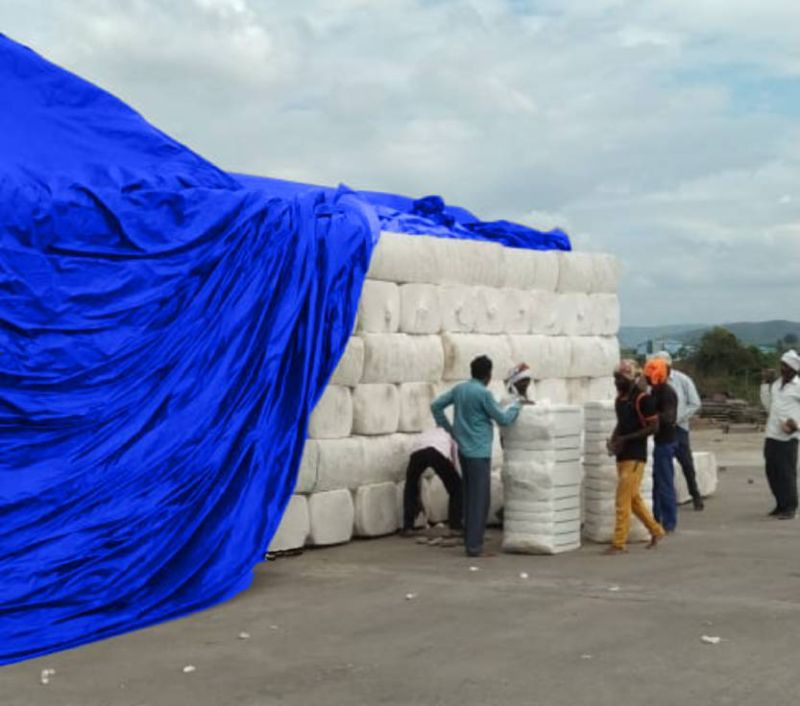
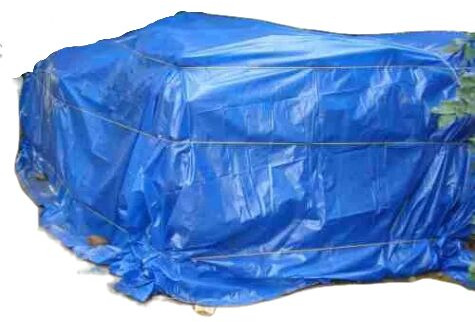
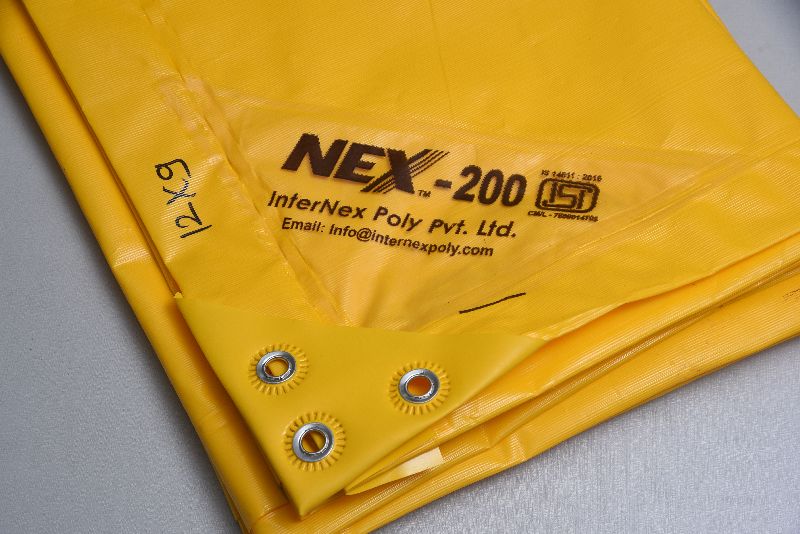
A fumigation cover is a large, often airtight tarp or plastic sheet used to contain fumigant gases during the fumigation process. These covers are typically employed in agricultural, industrial, and pest control applications, where gases like methyl bromide or phosphine are used to eliminate pests (e.g., insects or rodents) in goods such as grains, fruits, or furniture.
Key Features of Fumigation Covers:Additional Information:
Delivery Time : 7days
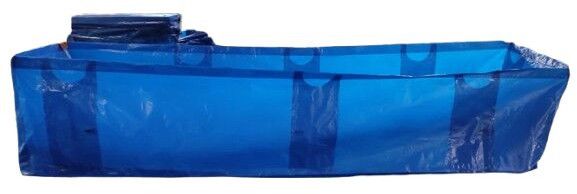
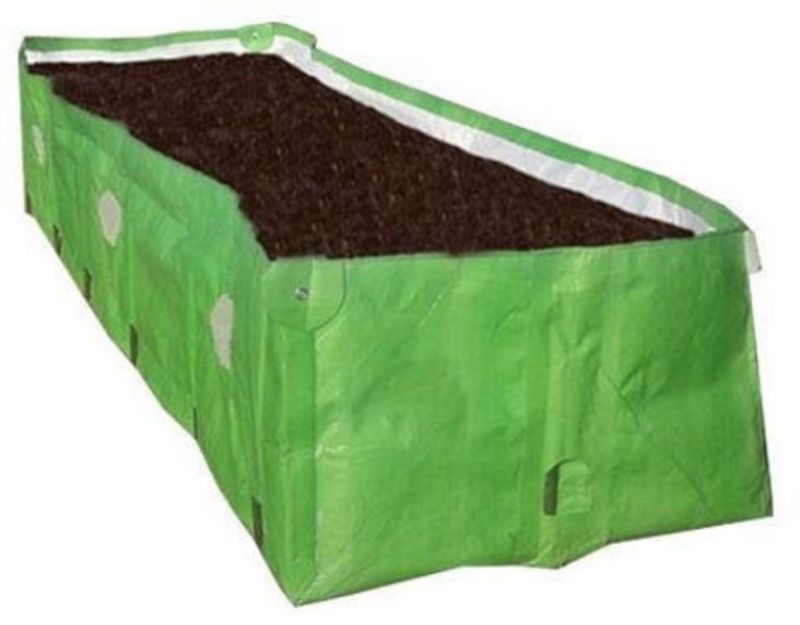
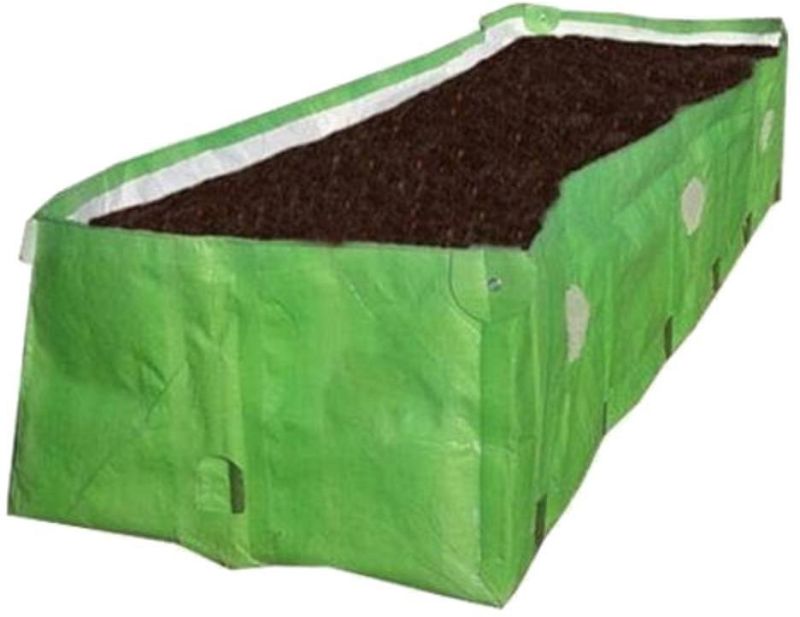
Vermi beds are specialized environments used for vermiculture, the process of cultivating earthworms to produce vermicompost, a nutrient-rich organic fertilizer. These beds provide an ideal habitat for earthworms to live, breed, and process organic waste into high-quality compost.
Key Features of Vermi Beds:Material: Vermi beds can be constructed from a variety of materials, including:
Design: Vermi beds are typically shallow containers or raised platforms designed to allow earthworms to move freely through the organic matter. The bed should have proper drainage to prevent waterlogging, as earthworms need moisture but not excess water.
Dimensions: The size of the bed depends on the scale of vermiculture, but it generally needs to be wide and shallow, allowing worms to spread out and process the organic waste effectively. A common size for small to medium-scale production could be 46 feet long, 23 feet wide, and 612 inches deep.
Ventilation: Good airflow is essential for maintaining the right environment for earthworms. The bed should have proper ventilation or a breathable cover to avoid overheating or suffocating the worms.
Temperature and Moisture: Vermi beds should be kept in an environment with moderate temperature (around 55-77F or 13-25C) and consistent moisture levels, as earthworms thrive in damp conditions but not in standing water.
In summary, vermi beds are an excellent way to recycle organic waste into valuable compost while creating an ideal living environment for earthworms to thrive.
Additional Information:
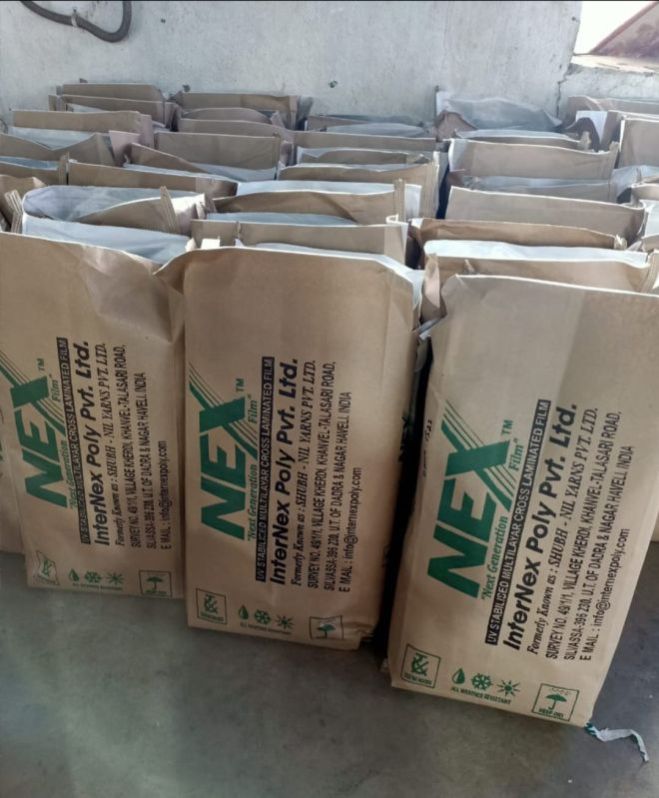
Packaging Details : Paper Bags
Delivery Time : 7days
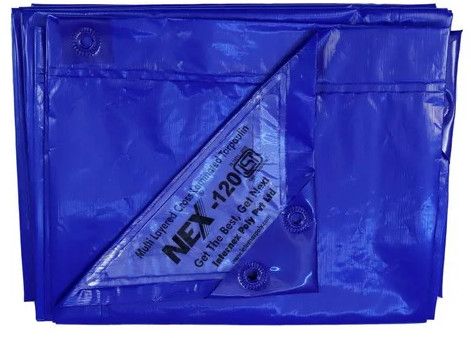
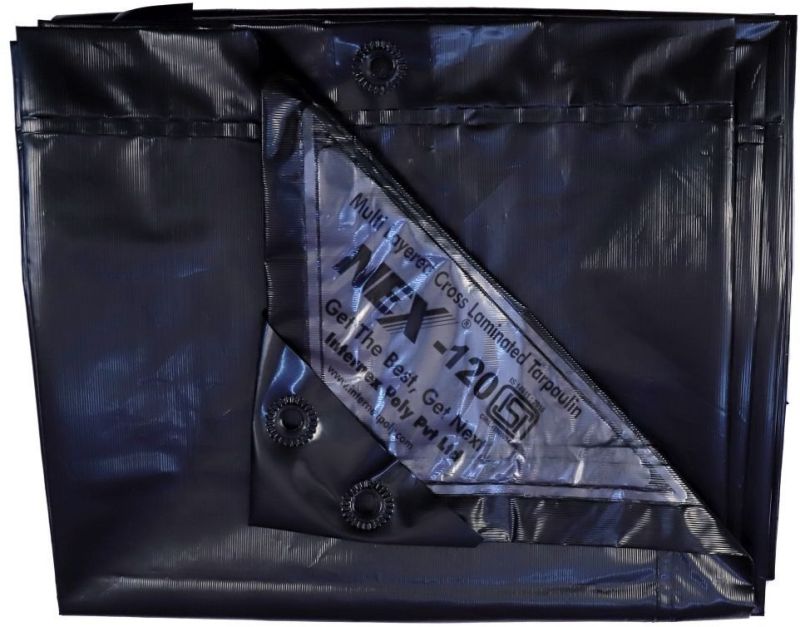
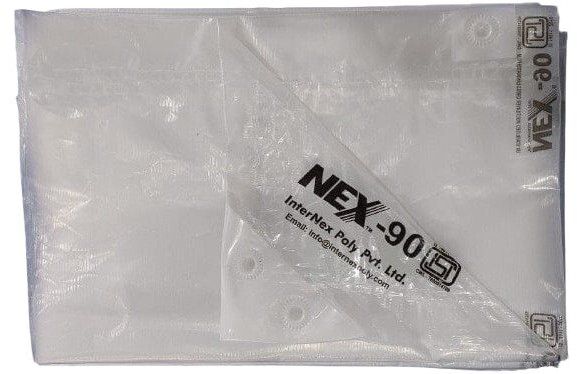
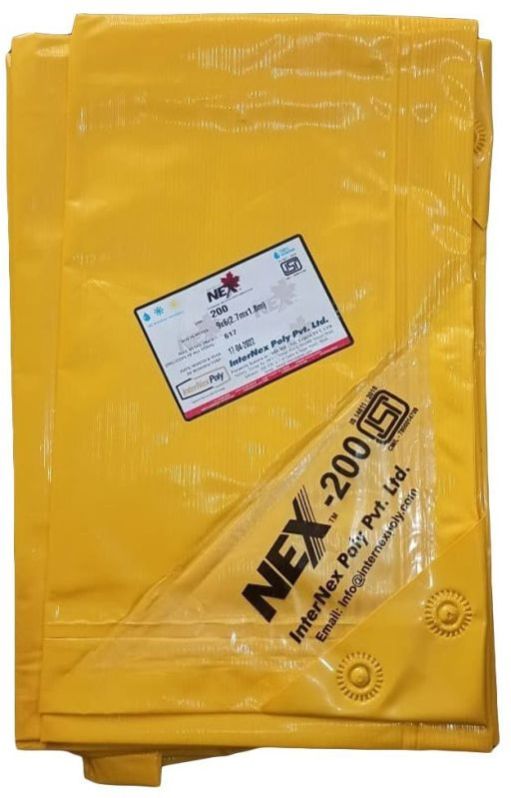
Multilayered cross laminated tarpaulins are best for applications like water proofing , fumigation retention and packaging with strngth requirement is high as compared to normal multilayered films.
A multi-layered cross-laminated tarpaulin (CPT) is a durable, weather-resistant material used in a wide range of applications, including as a protective covering for goods, construction sites, and outdoor equipment. Here's a detailed description of this material:
Structure:Multiple Layers: As the name suggests, a multi-layered cross-laminated tarpaulin consists of several layers of polyethylene or polypropylene fabric. These layers are bonded together using a cross-lamination process, where the fibers of each layer are arranged at perpendicular angles to one another. This cross-hatch pattern strengthens the overall fabric and provides greater stability.
Cross-Lamination: The process involves placing one layer of fabric horizontally, then overlaying another layer vertically. This alternating structure enhances the tarpaulins tensile strength, flexibility, and tear resistance. It also helps to prevent the material from stretching or distorting when under stress.
Outer Coating: Often, the layers are coated with a waterproof and UV-resistant layer to ensure long-lasting protection against environmental factors. The coating helps the tarpaulin resist moisture, UV rays, and mildew, ensuring it doesnt degrade quickly when exposed to harsh weather conditions.
Durability: The cross-lamination and multiple layers make the tarpaulin extremely resistant to tearing and abrasion, even under heavy load or adverse conditions. It's often used for high-stress environments where other materials might fail.
Waterproof and UV-resistant: Thanks to the coating and cross-lamination process, the tarpaulin is fully waterproof, keeping moisture out. Additionally, the UV-resistant properties prevent the material from breaking down due to prolonged exposure to sunlight.
Lightweight and Flexible: Despite its strength, multi-layered cross-laminated tarpaulins are relatively lightweight and flexible, making them easy to handle and transport.
Temperature Resistance: These tarpaulins can withstand a wide range of temperatures, from freezing cold to high heat, without losing their integrity.
Chemical Resistance: The materials used in these tarpaulins are often resistant to certain chemicals, which makes them suitable for industrial applications.
In conclusion, the multi-layered cross-laminated tarpaulin is a high-performance material offering superior protection in harsh conditions due to its durability, waterproofing, UV resistance, and flexibility.
Additional Information:
Packaging Details : INDIVIDUAL PIECES ARE PACKED IN LDPE LINERES WHICH ARE IN TURN PACKED IN PAPER BAGS
 ANUP SHARMA (INTERNEX POLY PVT LTD)
 SURVEY NO 49/1/1, KHERDI, KHANVEL - TALASARI ROAD, Khanvel Road, Silvassa, Dadra & Nagar Haveli - 396230, India
 Share us via