




Company Information
 Member Since 11 Years
 Nature of Business Manufacturer
 GST No. 26AABCS4346M1Z3
Ask for more detail from the seller
Contact Supplier
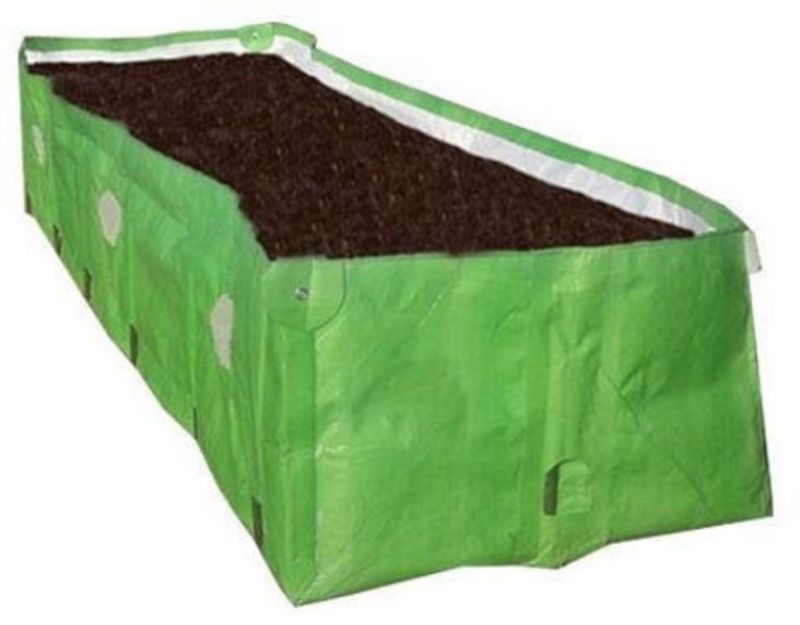
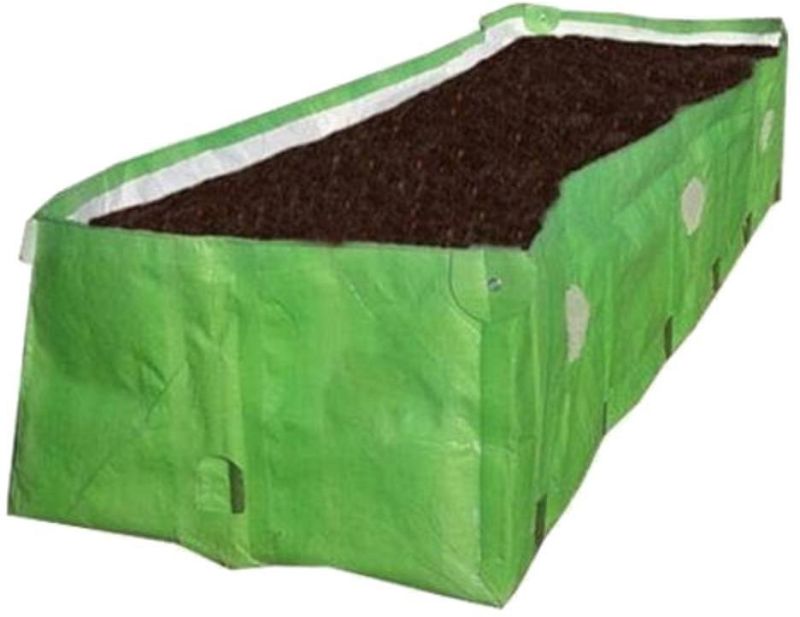
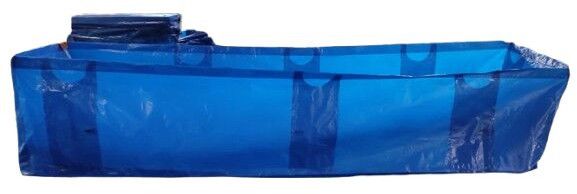
Vermi beds are specialized environments used for vermiculture, the process of cultivating earthworms to produce vermicompost, a nutrient-rich organic fertilizer. These beds provide an ideal habitat for earthworms to live, breed, and process organic waste into high-quality compost.
Key Features of Vermi Beds:Material: Vermi beds can be constructed from a variety of materials, including:
Design: Vermi beds are typically shallow containers or raised platforms designed to allow earthworms to move freely through the organic matter. The bed should have proper drainage to prevent waterlogging, as earthworms need moisture but not excess water.
Dimensions: The size of the bed depends on the scale of vermiculture, but it generally needs to be wide and shallow, allowing worms to spread out and process the organic waste effectively. A common size for small to medium-scale production could be 4–6 feet long, 2–3 feet wide, and 6–12 inches deep.
Ventilation: Good airflow is essential for maintaining the right environment for earthworms. The bed should have proper ventilation or a breathable cover to avoid overheating or suffocating the worms.
Temperature and Moisture: Vermi beds should be kept in an environment with moderate temperature (around 55-77°F or 13-25°C) and consistent moisture levels, as earthworms thrive in damp conditions but not in standing water.
In summary, vermi beds are an excellent way to recycle organic waste into valuable compost while creating an ideal living environment for earthworms to thrive.



Connect with us





 For Buyer
  For Seller
  Help
Help 

 Khanvel Road, Silvassa, Dadra & Nagar Haveli


 Send Enquiry