 Write a Review
Our Products
Our Complete range of products are Linseed Oil and Neem Oil.
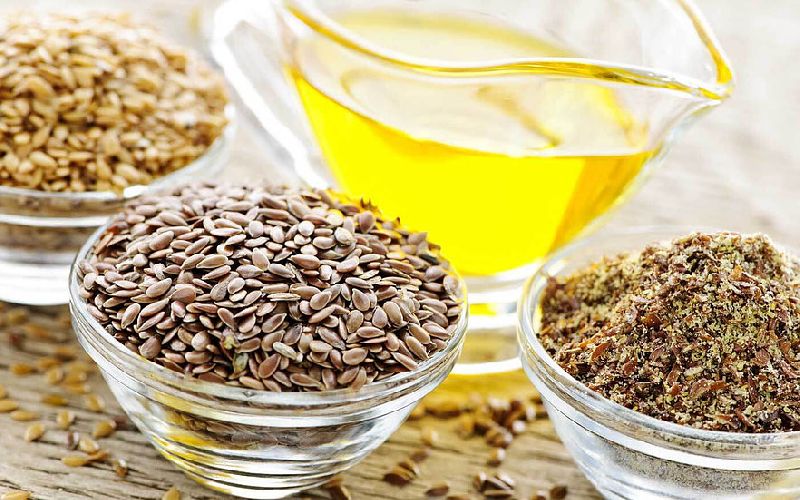
Linseed oil, also known as flaxseed oil, is made from the seeds of the flax plant. The oil contains substances which promote good health. Linseed and linseed oil are rich in alpha-linolenic acid (ALA), an essential fatty acid that appears to be beneficial for heart disease. ALA belongs to a group of substances called omega-3 fatty acids.
Good health requires the right ratio of Omega 3 fatty acids to Omega 6 fatty acids in the diet. The ideal ratio is around 1:2. The average American diet is more around 1:20 to 1:50, with way too much Omega 6 and not enough Omega 3. The ratio present in linseed oil is about 4:1. So linseed oil is a good source of Omega 3. You should consume every day small portions of linseed or linseed oil. However if linseed oil is used in the diet for long time, without other oils, it may cause Omega 6 LA deficiency symptoms. So the best bet is to blend linseed oil with other oils that contain more Omega 6, in order to get the right balance, such as sesame oil, sunflower oil, evening primrose oil.
Linseed oil is good for the heart because it is the richest source of alpha-linolenic acid. Linseed itself (ground or whole) also contains lignans, which may have antioxidant actions and may help protect against certain cancers, though not everyone agrees on this issue.
Linseed Oil Benefits and Uses
Lower cholesterol, protect against heart disease and control high blood pressure
Counter inflammation associated with gout, lupus and fibrocystic breasts
Control constipation, haemorrhoids, diverticular disorders and gallstones
Treat acne, eczema, psoriasis, sunburn and rosacea
Promote healthy hair and nails
Minimise nerve damage that causes numbness and tingling as well as other disorders
Reduce cancer risk and guard against the effects of ageing
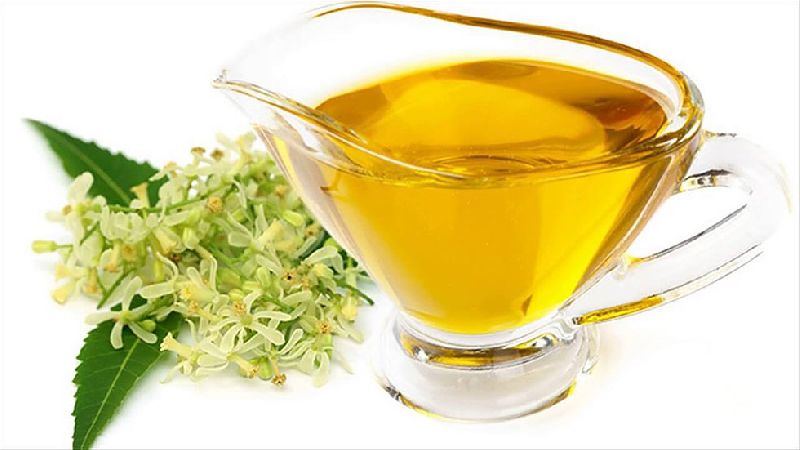
The Neem tree is said to be indigenous to the Indian subcontinent which means the countries of India, Pakistan, Sri Lanka and Bangladesh.
The Neem tree grows up to the height of around 15 to 20 metres and is well known to be a fast grower. It is a tropical evergreen tree which can resist the harsh conditions of high temperatures and dryness but does not survive frosty climates.
The uses of the various parts of the Neem tree as medicines and insecticide has been recorded in the ancient Indian scriptures called the 'Vedas'. In the Indian subcontinent it has been used by local communities as a traditional medicine and insect repellent for over 2000 years.
The amount of essential oils extracted from the seed or the kernel of the Neem tree varies widely from 25 to 45 %. The methods by which the oils are extracted from the seeds also affect the purity or the quality of the oil. Although the method of using a solvent for extraction is used it does not completely extract the contents of the seeds and also contains many impurities that distort the fragrance and colour of the oil.
For the extraction of pure Neem essential oil is done by the Cold press method, in which the oil is mechanically pressed out of the kernels, while constantly maintaining texture. Although this method is very cumbersome, it is the only way to extract usable essential Neem oil.
Commonly known Benefits
Neem Oil (Cold Press) has been recorded in the Ayurveda in the treatment of major diseases like leprosy, tuberculosis, malaria, as an ophthalmic and all sorts of skin diseases.
Other uses of Neem Oil are as follows:
Anthelmintic: It is used widely in traditional medicine to expel parasitic worms from the stomach and also other parasitic organisms in the body by killing them or making them inactive.
Antiseptic: It has been proven to be antiseptic in nature and help the wound to heal faster as they provide a rich protective and a nutrient rich layer for a longer time than other creams or antiseptics.
Diuretic: It has also been recorded to act as a Diuretic agent in cases of kidney stones, eating disorders and urinary tract infections, where the natural agents in Neem oil help counter the infections completely.
Antipyretic: Many times it is used to counter fever and is found to be very effective in relieving the symptoms of a fever.
Insect Repellent: In many cultures of the Indian subcontinent, agriculturists have used Neem oil based solutions to protect the crops from insects, as many harmful insects and rodents avoid the contact with Neem.
Insecticide: It is proven to be good insect killers as its toxicity affects insects directly by killing them or indirectly by limiting their ability to eat, reproduce and fly.
This oil is used as grease in many communities in India due to its resilience to atmospheric and mechanical degradation.
 Subodh Rastogi (Gyan Aro Chem)
 Hari Chand Mela Ram Farm, East Gokulpur, Mandoli, Delhi - 110094, India
 Share us via








