Related Brands
Business Type


 11,000/ Piece
 6,000/ Piece
 1,800/ Piece
 6,500/ Pair
 1,250/ Piece
 5,000/ Piece
 1,850/ piece

 650/ Piece
 7,500/ Piece
 1,250 - 1,300/ Piece
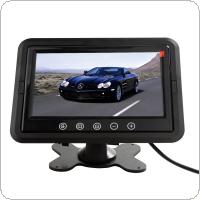
A car monitor typically connects to your vehicle's OBD-II port to gather real-time data on your car's performance, such as speed, fuel consumption, and engine diagnostics. This information is then displayed on the monitor for you to track and monitor your car's health and efficiency.
Yes, a car monitor can help improve fuel efficiency by providing you with data on your driving habits, such as excessive speeding, rapid acceleration, and idling. By monitoring and adjusting these habits, you can optimize your fuel consumption and save money on gas.
Most car monitors are designed for easy DIY installation and usually involve plugging the device into your vehicle's OBD-II port. However, some models may require additional setup or calibration, so it's important to follow the manufacturer's instructions carefully.
When choosing a car monitor, consider features like real-time data tracking, compatibility with your vehicle's make and model, user-friendly interface, customizable alerts, and data logging capabilities. Additionally, look for a monitor that fits your budget and meets your specific needs.
 13,000 - 13,500/ Piece
 950/ Piece
 1,250 - 1,300/ Piece
 2,000 - 2,500/ Piece
 12,500/ Piece
 2,000/ Piece
 2,700 - 3,000/ Piece
 499 - 599/ PC

 4,200/ Piece
 1,800/ Piece


 Related Category


Connect with us


 For Buyer
 For Seller
 Help









 Ask a question about


