 GST : 37AAJCC8175G1ZA
 5.0/5
5.0/5
Our Products
Fresh Fruits
2 Products availableTropical Fruits
1 Products available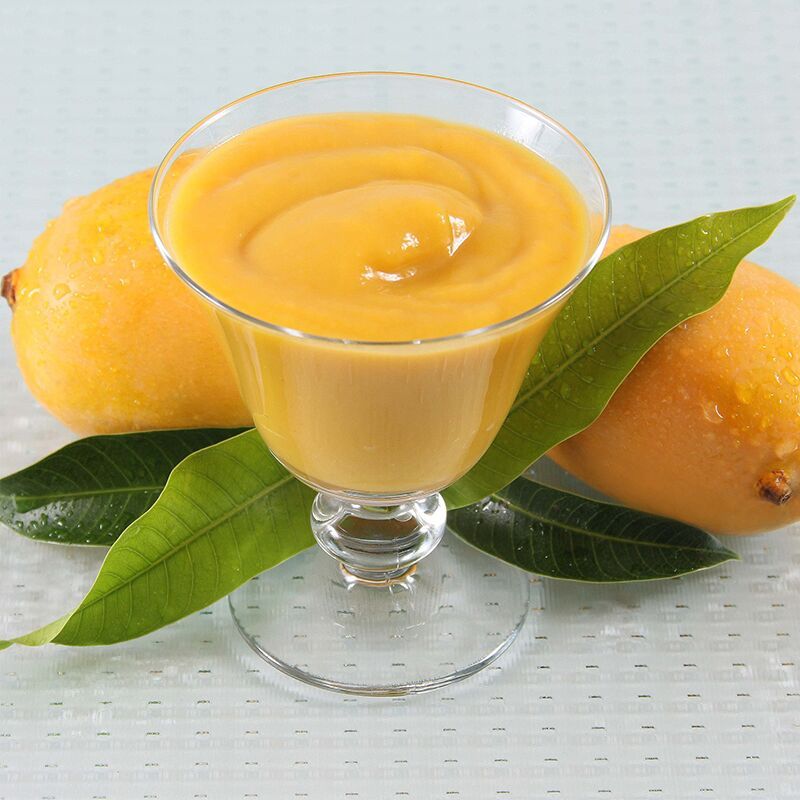
Hero blurb
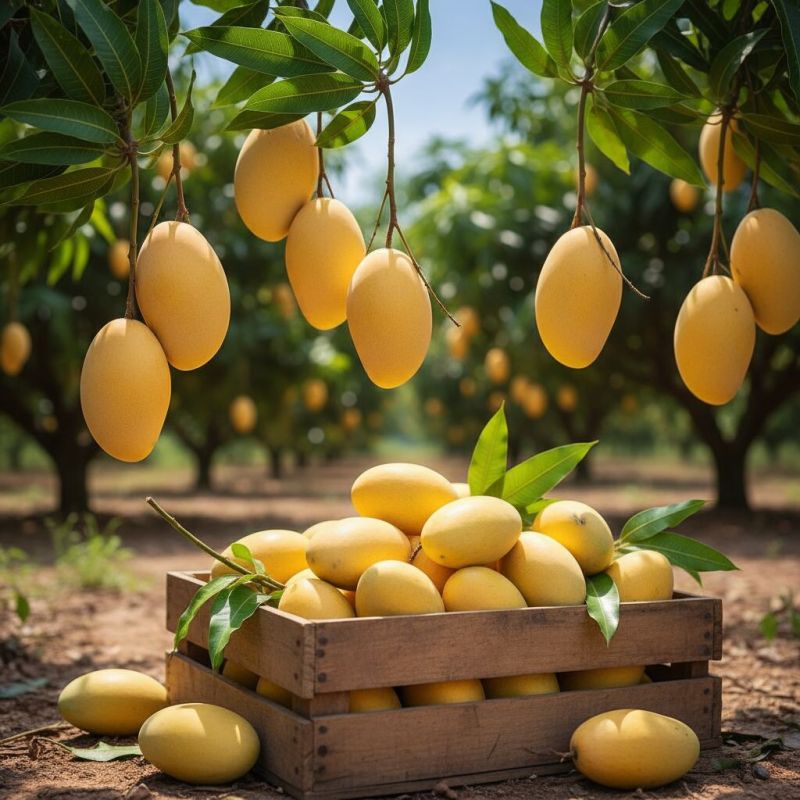
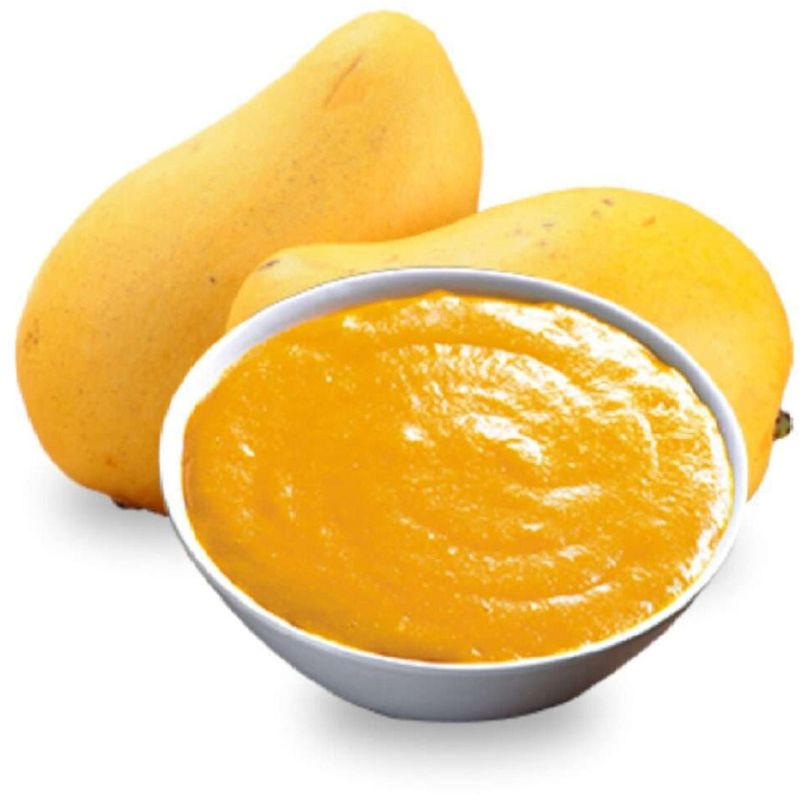
A celebrated dessert mango with goldenyellow skin, naturally sweet, and a nearfiberless, buttery pulp that delivers a consistently rich, tropical flavor experience.
Short description
Sourced from the traditional Banganapalle growing belt, these large, oval mangoes offer excellent fleshtoseed ratio, gentle acidity, and an alluring aroma ideal for fresh eating, juicing, and premium desserts.
Key highlights
GItag heritage from Andhra Pradesh with a reputation for uniform size and dependable sweetness.
Smooth, thin skin and deep yellow pulp with minimal fiber for a luxurious bite.
Large fruits (typically 300–600 g) that plate beautifully and pulp efficiently.
Balanced brix and low acidity that suit beverages, ice creams, and bakery fillings.
Longer natural shelf life versus many dessert varieties when handled and stored correctly.
Sensory profile
Sweet, tropical, and fruity with subtle coconutlike undertones; flesh is creamy, tender, and almost fiberless for clean slicing and premium mouthfeel.
Specifications
Botanical: Mangifera indica, cultivar Banganapalli (also called Benishan/Safeda).
Shape/size: Uniform oval; average 300–600 g per fruit depending on season.
Peel/flesh: Goldenyellow peel at maturity; deep yellow, finetextured flesh with high fleshtoseed ratio.
Season window: Typically late spring to early monsoon, varying by microclimate.
Usage: Fresh table fruit, juices/nectars, smoothies, ice creams, yogurts, mousses, bakery and confectionery.
Packaging: 3/5/10/12 kg ventilated cartons with paper or foam sleeves; custom labeling on request.
Handling and storage
Keep unripe fruit at 18–22°C with good airflow; avoid refrigeration before ripening to preserve aroma and texture. Once ripe, hold briefly at 10–13°C and consume promptly for best flavor; keep peel dry to prevent lenticel spotting.
Ripening guidance
Allow 2–5 days at room temperature; placing in a breathable paper bag speeds ripening evenly. Handle gently after harvest to avoid latex staining and surface scald.
Quality assurance
Carefully graded and sorted for size, external finish, and internal maturity; lotwise traceability and standard export documentation available on request.
Health note
Naturally rich in vitamin C, provitamin A carotenoids, potassium, and dietary fiber, supporting everyday wellness while delivering clean fruit energy.
Buyer segments
Ideal for modern trade, HORECA, juice and dairy processors, artisanal gelato and bakery brands, and premium ecommerce fruit boxes.
Additional Information:
Payment Terms : T/T
Packaging Details : If exact box dimensions and print layouts are needed for MVK branding, a dieline can be prepared for 3 kg, 5 kg, 7 kg, and 10 kg cartons with vent patterns and stacking tests aligned to FFV45 and Codex, using the above suppliervalidated formats as a baseline.
Delivery Time : WITH IN 5 DAYS FROM ORDER
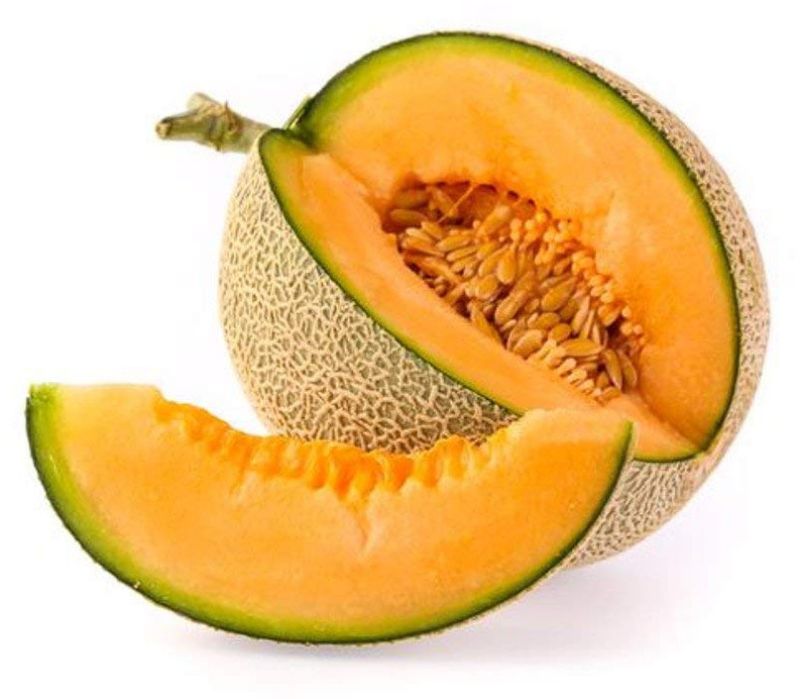
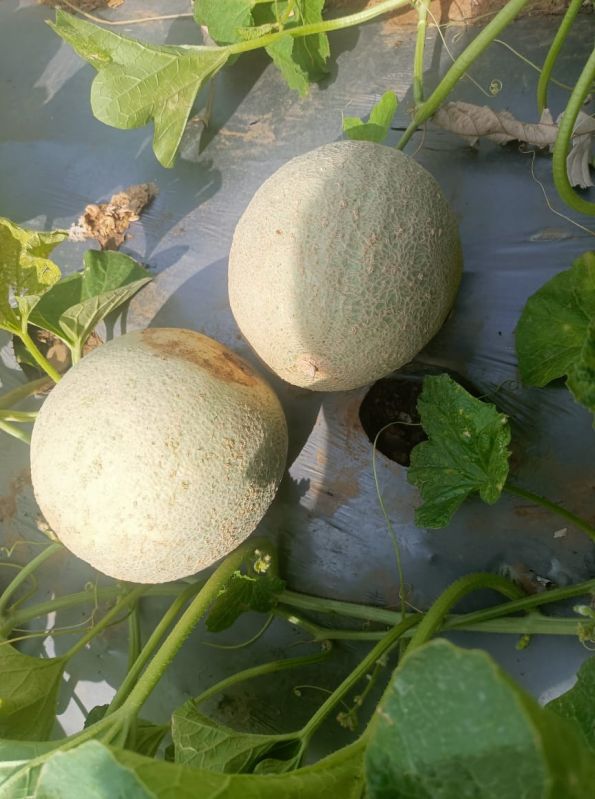
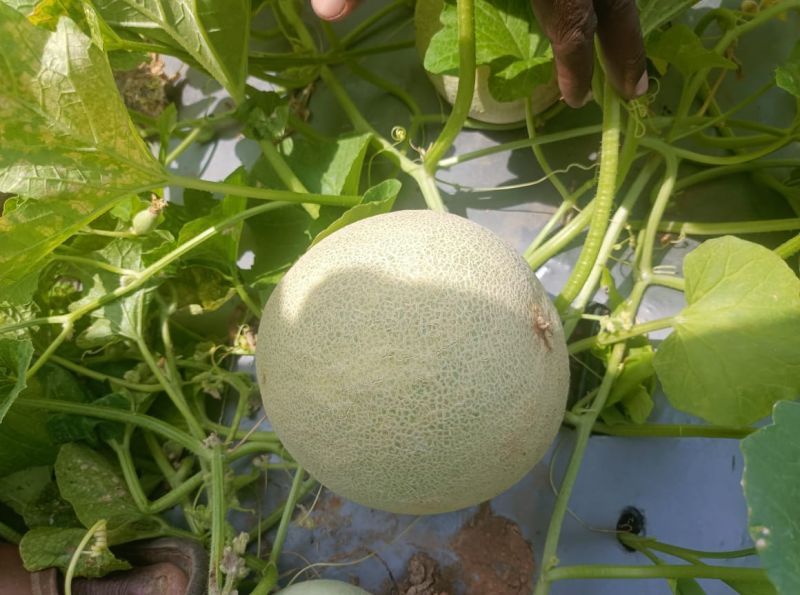
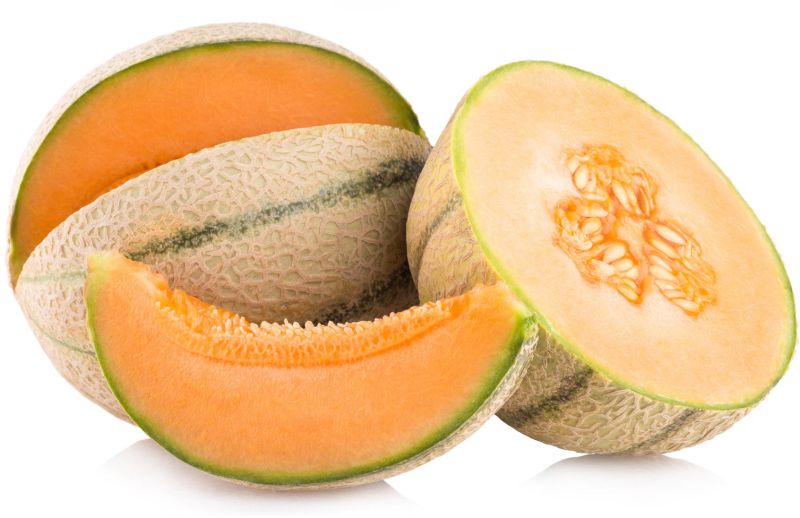
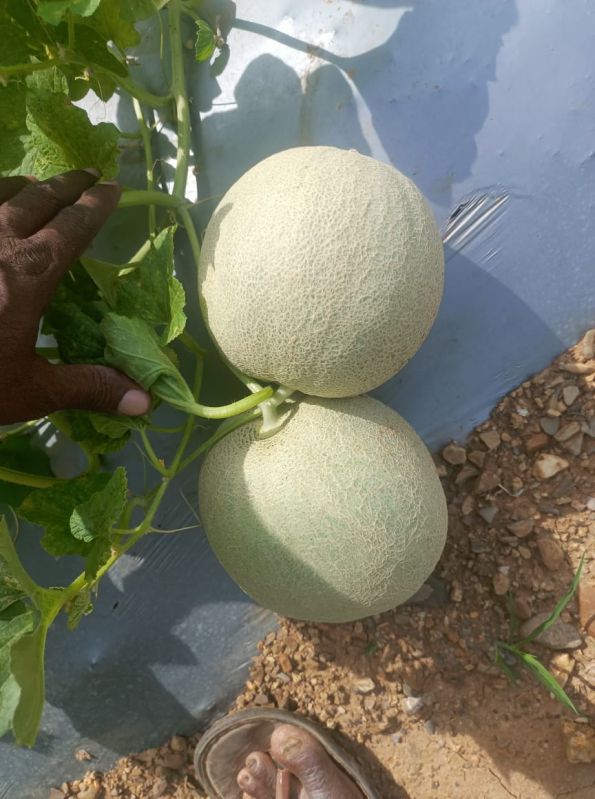
Fresh musk melon, also known as muskmelon or sweet melon, is a fruit from the Cucumis melo species. It typically has a round to slightly flattened shape with a netted or textured rind that can vary in thickness and color, ranging from white, tan, beige, yellow, grey-green, green to orange. The rind texture varies as well, from smooth to rough or netted with raised corky patterns. Inside, the flesh is usually thick, juicy, and fine-grained, with colors including orange, pale yellow, green, or salmon depending on the variety. The flesh is sweet, fragrant, and musky with a floral and honeyed flavor profile in many types, though some varieties have milder, subtly sweet, or grassy tastes. The central cavity of the melon contains flat, tear-drop-shaped tan seeds suspended in stringy fibers.
Musk melons are prized for their sweet, aromatic, and juicy flesh, often eaten fresh on their own or used in salads, smoothies, juices, and desserts. They are a rich source of vitamins A and C, antioxidants, fiber, potassium, and hydration due to their high water content. In traditional Ayurvedic uses, they are valued for cooling and diuretic properties, helping hydration and detoxification.
When selecting fresh musk melon, choose fruits that emit a sweet, perfumed musky aroma, feel heavy for their size, and have a slight give near the stem scar, indicating ripeness. The fruit will also give a dull, low-pitched sound when tapped. They are typically consumed fresh but can also be cooked or used in various culinary applications.
Additional Information:
Payment Terms : L/C
Packaging Details : Packaging Type: Muskmelons are packed in corrugated fiber cartons that are 5-ply ventilated to ensure adequate air circulation.
Weight per Unit: Common carton weights are 4 kg, 5 kg, or 10 kg per carton.
Material: The cartons are made of strong corrugated fiberboard with ventilation holes and sometimes include foam padding for extra protection.
Protection: Some musk melons may be individually wrapped or placed in mesh sleeves to reduce bruising.
Quantity per Carton: Usually 9 to 12 pieces per carton, depending on size and weight of each fruit.
Shipping Conditions: Export shipments use refrigerated sea freight or air freight with temperature maintained at 48C and relative humidity of 8590% to preserve freshness.
Labelling: Cartons are properly labelled and comply with certifications such as FSSAI, APEDA, Phytosanitary certification, and Global GAP to meet international export standards.
Delivery Time : 5 days from date of order
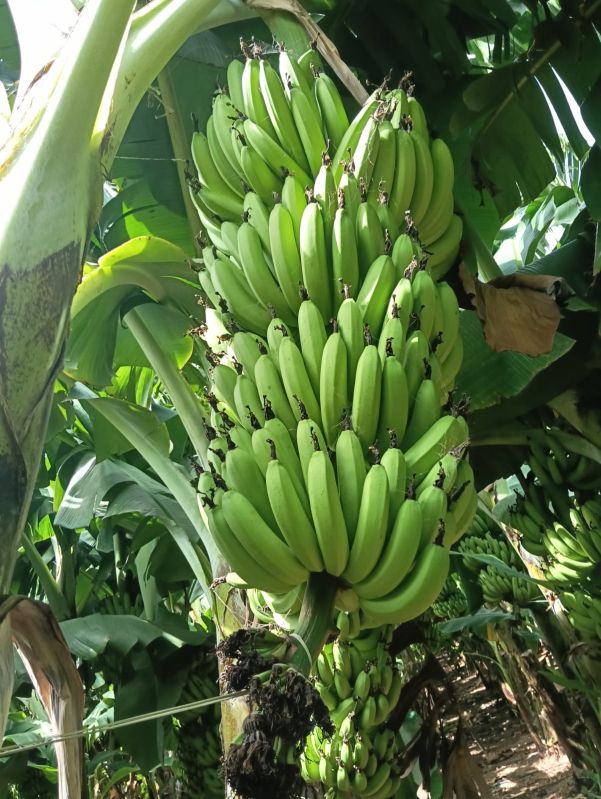
Scientific Name: Musa acuminata (Cavendish group)
Common Names: Cavendish banana, Dwarf Cavendish, Giant Cavendish
Description:
The Cavendish banana is the most widely grown and exported banana variety in the world. It is the classic yellow banana found in supermarkets globally and is prized for its sweetness, soft texture, and appealing appearance. The fruit is long, curved, and has a creamy white interior covered by a smooth, yellow peel when ripe.
Key Characteristics:
Shape & Size: Medium to large in size, slightly curved.
Color: Green when unripe, turning bright yellow when fully ripe.
Texture: Smooth and firm flesh, softens as it ripens.
Flavor: Mildly sweet to richly sweet when fully ripe.
Nutritional Value (per 100g):
Calories: 89 kcal
Carbohydrates: 23 g
Sugars: 12 g
Dietary Fiber: 2.6 g
Potassium: 358 mg
Vitamin C, B6, and magnesium are also present in good amounts.
Growing Regions:
Predominantly grown in tropical and subtropical regions.
Major producers include India, Philippines, Ecuador, Colombia, and Costa Rica.
Export Importance: Cavendish bananas are a crucial export commodity for many countries due to their uniform ripening, resistance to bruising, and good shelf life. They are shipped green and ripened close to markets for optimal freshness.
Advantages:
High yield per plant
Uniform size and shape
Easy to transport and store
Popular global demand
Susceptible to diseases like Panama disease (Tropical Race 4), threatening large-scale monoculture plantations.
Climate-sensitive and requires proper irrigation and care.
Additional Information:
Payment Terms : T/T
Packaging Details : Packing Type: 7-ply or 5-ply Corrugated Carton Box
Box Dimensions: Standard 22" x 12" x 7" (or as per buyer requirement)
Net Weight per Box: 13 kg or 7 kg (as specified)
Gross Weight: Approx. 13.514 kg
Bunches per Box: Hand-selected, 48 hands per carton (depending on finger size)
Finger Length: 1825 cm
Maturity: 4046 (export maturity index)
Color Stage at Packing: 1 or 2 (Green)
Delivery Time : 10 days from date of order
Additional Information:
Payment Terms : L/C
Delivery Time : 5 days from date of order
Additional Information:
Payment Terms : L/C
Delivery Time : 5 days from date of order
 Mr. Kotrakona Nikhil (MVK Exports)
 24-52/12, Lakshmi Nagar Colony, Revenue Ward No. 24, Gandhi Road, Chittoor, Andhra Pradesh - 517001, India
 https://www.mvkexports.co.in
 Share us via



 View Contact Number