Write a Review
Our Products
We are leaders in the market for providing best range of AshokaTree Plant, Bottle Brush Plant, Cassia Fistula, Golden Shower Tree, Bahava Plant, Antirrhinum, Snapdragons Plant and Royal Rainy Flowers
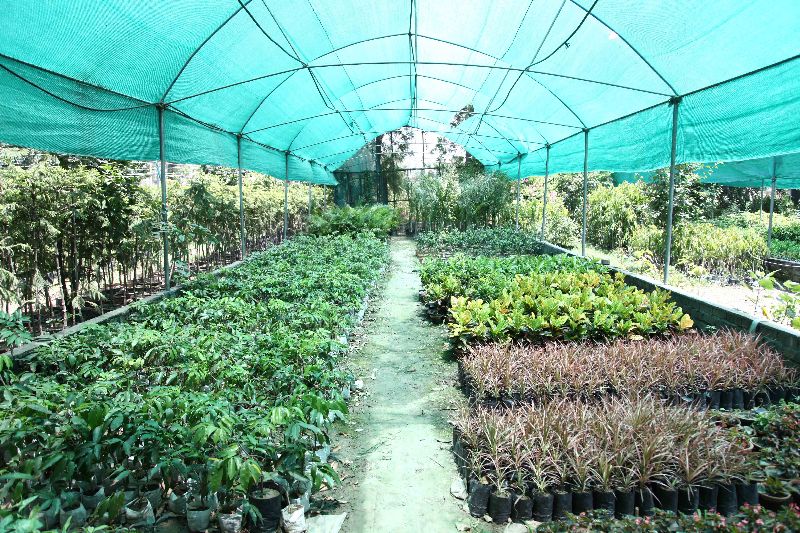
The Ashoka is a rain-forest tree. Its original distribution was in the central areas of the Deccan plateau, as well as the middle section of the Western Ghats in the western coastal zone of the Indian Subcontinent. The Ashoka is prized for its beautiful foliage and fragrant flowers. It is a very handsome, small, erect evergreen tree, with deep green leaves growing in dense clusters. Flowering season is around February to April. The Ashoka flowers come in heavy, lush bunches. They are bright orange-yellow in color, turning red before wilting. Here are a few varieties of the Ashoka tree. One variety is larger and highly spreading. The columnar varieties are common in cultivation. It is also used for medical purposes.
Ashoka tree has several other indigenous names which have been assigned to the tree by various regions and states. For instance it is known as Asok or Devdaru in Bengali, Ashopalava in Gujrati and Aksath in Kannada. The various other names of the tree are as follows Anagam in Tamil, Asoka in Telegu, Asok in Punjabi, Asoc in Konkani, Asoko in Oriya, Asokam in Malayalam and Ashokam in Sanskrit. Apart from the various regional names it has a scientific name of Saraca asoca. India, Sri Lanka, Bangladesh and Myanmar have been home to the Ashoka plant. Interestingly the plant does not require any specific natural conditions for its growth; it grows in places like central and eastern Himalayan foothills and in the western peninsular India. Ashoka plant also forms a major part of the evergreen forest in the southern part of India. More than being a part of the natural forest, the plant is more a part of the planted trees.
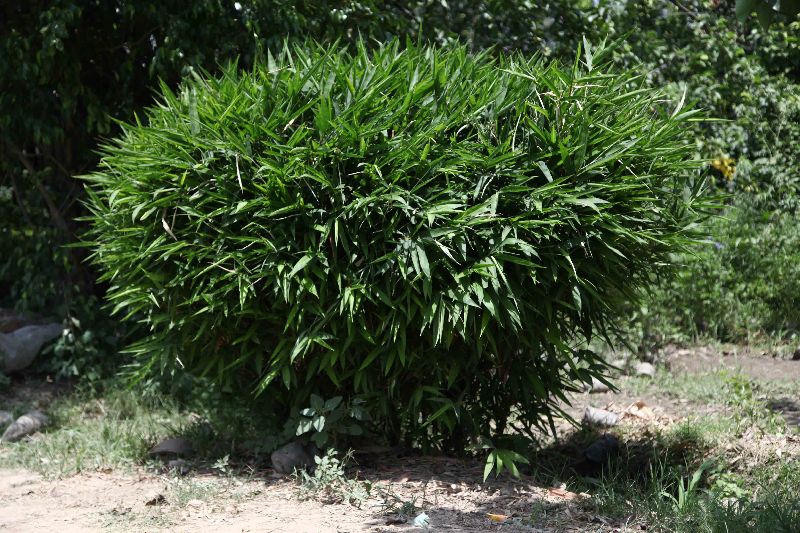
A small tree or large shrub, 6-12 ft (2-4 m) tall and 6-9 ft (2-3 m) wide. Leaves narrow, lance shaped, leathery, distinctly citrus aroma. Fuzzy-looking flowers composed mostly of stamens. Bark moderately rough, light brown.
Leaves year round, blossoms heavily in early spring with red flowers followed by some blossoms in summer.
Scientific Name(s): Callistemon spp.
Abundance: common
What: leaves, flowers
How: tea, seasoning
Where: dry sunny yards, landscaping
When: all year
Nutritional Value: flavanoids
Planting & Care
As a frost tolerant and woody plant, bottlebrushes are attractive options for home gardeners. Since they also tolerate drought and damp conditions well, they are showcased throughout landscaped lawns and gardens all over the world. The flower spikes are colorful and full of texture, and the leaves of some bottlebrush varieties are ornamental as well. Since the average lifespan for bottlebrushes is twenty to forty years, they promise beauty and blooms for many years. Although the woody shrub is low maintenance, proper care can help to ensure it continues blooming to its fullest each year.
Planting
Arrange to plant a bottlebrush shrub in full sun to maximize the amount of blooms and growth of the plant. Find a spot that receives at least 6 hours of sunlight a day for best results.
Choose a well-draining soil to plant the bottlebrush. Although bottlebrushes do well in a variety of soil types, they do not take kindly to alkaline type environments. Plant the seeds during spring or summer. Cuttings from mature bottlebrushes may also be used. Do not plant other flowers or plants within five feet of sowing the seed into the soil. Since bottlebrushes tend to expand and grow quite easily, give them room and resist planting other varieties of flowers too close.
Fertilizer
Apply any organic fertilizer, its a very low mantainence and hard to kill plant.
Water
In extreme heat and dry conditions, give the bottlebrush a deep watering to ensure it prospers. Mulching can help keep out the intense heat in some regions as well. Otherwise, the bottlebrush does not require regular watering other than natural rainfall.
Pruning
When the plant has produced flowers and is thriving, prune the bottlebrush back to desired size and shape. This must be done either early in the season before the flowers have bloomed or after the flowers are finishing. Cut the tips of the branches for early season pruning. Or you may choose to cut behind the finished flowers. Some flowers may have to be sacrificed in order to achieve a desired shape.
Use
Its a very hardy plant, used for ornamental purpose.
 Josan Nursery (Josan Nursery)
 V.P.O Nawan Kot,G.T. Road, Jandiala Guru, ( ). PIN - , Amritsar, Punjab - 143115
 Share us via