Write a Review
Our Products
We offer a complete product range of Mix Color Capsicum, Early Nantes Carrot and Capsicum
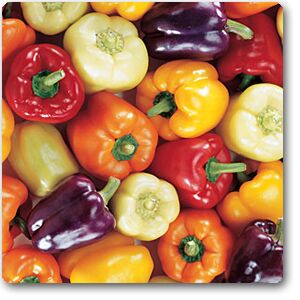
Bell peppers are one of the most popular vegetables grown in home gardens. The bell pepper is native to Central and North America and is easy to grow. There is now a much wider variety of peppers to choose from with different colors and even different shapes.
Peppers are a tender, warm-season crop. They resist most pests and offer something for everyone: spicy, sweet or hot, and a variety of colors, shapes and sizes. For this page, we will focus on sweet bell peppers.
Growing Information
Sun exposure: Full Sun
Soil type: Loamy
Soil pH: Neutral
Preparing the Plants
Peppers like hot weather. They are easily damaged from any cold weather and frost is fatal. If you live up north, utilize items such as plastic mulches, row covers, hoop houses and anything else you can find to quickly grow this wonderful plant before the weather gets cooler.
You will want to start the seeds indoors first and transfer them to your garden when the soil is warm and the weather is right.
Plant the seeds in pots about two inches in size. Larger pots will allow the roots to develop better and offer a more stable plant when it is time to transfer them to the garden.
Place seeds about 1/4 inch deep in moistened, lightweight mix. Keep them slightly moist and warm. Plants will germinate in about 6-8 days. Thin the plants to one per pot after the first true leaves have appeared.
Using bottom heat or heat lamps to keep the soil warm will promote better and quicker germination.
Do not water seedlings directly. Rather, immerse the tray or pots with holes in a pan of water about 1/2 inch deep. Allow the seedlings to drink for a few minutes, but do not let them become soaked.
Seedlings need lots of light. Supplement with fluorescent lights if necessary to avoid tall, weak plants.
Planting
Start seeds indoors 8-10 weeks before last spring frost date.
The temperature must be at least 70 degrees F for seed germination, so keep them in a warm area for the best and fastest results.
Start pepper seeds three to a pot, and thin out the weakest seedling. Let the remaining two pepper plants spend their entire lives together as one plant. The leaves of two plants help protect peppers against sunscald, and the yield is often twice as good as two segregated plants.
Begin to harden off plants about 10 days before transplanting.
A week before transplanting, introduce fertilizer or aged compost in your garden soil.
After the danger of frost has passed, transplant seedlings outdoors, 18 to 24 inches apart (but keep paired plants close to touching.)
Soil should be at least 65 degrees F, peppers will not survive transplanting at temps any colder. Northern gardeners can warm up the soil by covering it with black plastic.
Put two or three match sticks in the hole with each plant, along with about a teaspoon of fertilizer. They give the plants a bit of sulfur, which they like.
Care
Soil should be well-drained, but maintain adequate moisture either with mulch or plastic covering.
Water one to two inches per week, but remember peppers are extremely heat sensitive. If you live in a warm or desert climate, watering everyday may be necessary.
Fertilize after the first fruit set.
carefully around plants.
If necessary, support plants with cages or stakes to prevent bending. Try commercially available cone-shaped wire tomato cages. They may not be ideal for tomatoes, but they are just the thing for peppers.
For larger fruit, spray the plants with a solution of one tablespoon of Epsom salts in a gallon of water, once when it begins to bloom, and once ten days later.
Harvest/Storage
Harvest as soon as peppers reach desired size.
The longer bell peppers stay on the plant, the more sweet they become and the greater their Vitamin C content.
Use a sharp knife or scissors to cut peppers clean off the plant for the least damage.
Peppers can be refrigerated in plastic bags for up to 10 days after harvesting.
Bell peppers can be dried, and we would recommend a conventional oven for the task. Wash, core, and seed the peppers. Cut into one-half-inch strips. Steam for about ten minutes, then spread on a baking sheet. Dry in the oven at 140 degrees F (or the lowest possible temperature) until brittle, stirring occasionally and switching tray positions. When the peppers are cool, put them in bags or storage containers.
Special Notes
For maximum flavor, eat peppers on the same day they are picked. You can also leave them on a kitchen counter for a day or two to ripen further. Do not place peppers in the crisper drawer or in plastic wrap or bags in the refrigerator. Peppers are warm-weather fruits and do not store well in cold temperatures. If you have too many peppers, consider the following storage options.
Freezing.
This is the easiest storage method, but the peppers will be soft when thawed. The flavor is retained, however, so use frozen peppers primarily for adding spice to soups, stews, and sauces

You can grow carrots all year round and they are so simple! Just sow carrot seed regularly for a year-round crop.
Carrots are an easy and rewarding crop to grow, great for encouraging children to eat their vegetables! With so many varieties of this popular vegetable available, carrots can be grown in beds, containers and even window boxes making them suitable for gardens of any size.
Carrots are a popular root vegetable that are easy to grow in sandy soil. They are resistant to most pests and diseases, and are a good late season crop that can tolerate frost.
Not all carrots are orange; varieties vary in color like purple, blck to white.
Lifecycle: Biennial grown as an annual.
Ease-of-care: easy
Great crop for kids if planted in deep soil and site gets full sun.
Foliage color: medium green
Growing Information
Orange carrots are the traditional standard, but you can try growing white, yellow, crimson, or even purple-skinned carrots, too.
More important than color, though, is choosing the right root size and shape to suit your soil. Carrot size and shape varies by type, and there are five major categories. Ball-type, Chantenay, and Danvers carrots have blocky shapes that can handle heavy or shallow soil, while slender Nantes and Imperator carrots need deep, loose soil.
Sunlight: full sun, Will tolerate very light shade.
Soil conditions: requires well-drained soil. Good quality roots require plentiful moisture and soil that is deep, loose, free of stones, and high in organic matter. Roots can become twisted and forked in heavy, stony soil. Prefers pH of 6.0 to 6.8 but can tolerate 5.5 to 7.5. Requires only moderate nitrogen. Too much can cause root branching.
Planting
Plan to plant seeds outdoors 3 to 5 weeks before the last spring frost date.
Make sure your soil is free of stones; carrots need deeply tilled soil that they can push through.
Have you ever seen a carrot that has grown legs or forked? Fresh manure, or even recently applied rotted manure, can cause carrots to fork and send out little side roots. Do not use it before you plant your seeds.
Plant seeds 3-4 inches apart in rows. Rows should be at least a foot apart.
Care
Gently mulch to retain moisture, speed germination and block the sun from the roots.
Soil should be well drained and loose to prevent forking and stunting of the root growth.
Once plants are an inch tall, thin so they stand 3 inches apart. Snip them with scissors instead of pulling them out to prevent damage to the roots of remaining plants.
Water at least one inch per week.
diligently.
Fertilize 5-6 weeks after sowing.
Carrots taste much better after a couple of frosts. Following the first hard frost in the fall, cover carrot rows with an 18-inch layer of shredded leaves to preserve them for harvesting later.
Harvest
Carrots are mature at around 2 months and inch in diameter. You may harvest whenever desired maturity is reached.
You may leave mature carrots in the soil for storage if the ground will not freeze.
To store freshly harvested carrots, twist off the tops, scrub off the dirt under cold running water, let dry and seal in airtight plastic bags, and refrigerate. If you simply put fresh carrots in the refrigerator, they will go limp in a few hours.
Carrots can be stored in tubs of moist sand for winter use.
Special Notes
Here are the health benefits of carrots you need to know.
Prevent Cancer - Many studies show that eating carrots can help lower the risk of breast cancer, lung cancer and colon cancer. More recently, researchers have isolated a compound called falcarinol in carrots that may be largely responsible for the anti-cancer benefits.
Falcarinol is a natural pesticide found in carrots that protects the roots from fungal diseases. In the daily diet, carrots almost the only source of these compounds.
Improve Eye Vision - Retina of the eye needs vitamin A to function, vitamin A deficiency causes night blindness. Carrots are rich in beta-carotene, a substance that is converted into vitamin A in the liver. In the retina, vitamin A is transformed into rhodopsin, a purple pigment necessary for night vision.
In addition, beta-carotene helps protect against macular degeneration and prevent cataracts. A study found that people who ate more of a beta-carotene had a 40 percent lower risk of macular degeneration than those who ate the least.
Preventing Heart Disease - Studies show that a diet high in carotenoids are associated with a lower risk of heart disease. Also, it is believed that regular consumption of carrots reduces cholesterol levels.
Soluble fiber in carrots can help lower blood cholesterol levels by binding to and removing bile acids, cholesterol triggers will be pulled out of the bloodstream.
Reduce the Risk of Stroke - According to research from Harvard University, people who ate more than six carrots a week are much less likely to suffer a stroke
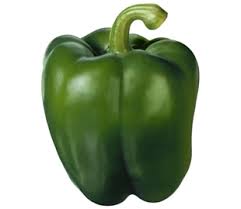
Capsicums (aka peppers) and the closely related chillis are warm season crops and really need to be left to mid spring before planting in cooler climates. Although they are technically perennial plants (go dormant in winter and regrow the following season) they are generally less productive in successive years and are best replaced each season with fresh seedlings.
Small bushy plant about 40cm high The seeds are reluctant to start germinating if temperatures drop at night. These are best sown in small trays in a warm, sheltered place: a small greenhouse if possible. Then plant out when about 10 -12cm (4-5in) tall.
They are from the same family as chilli but are not hot and spicy. The seeds are bitter.
Capsicums are frost tender and need warmth to ripen the fruit to the brilliant reds and yellows of commercial ones. They can be used green but are not as sweet.
Capsicums vary in size and colour with taste varying in sweetness to a slight peppery taste.There are a number of colours available, chocolate, black, yellow, orange as well as red. They all start off green and change as they ripen.
Growing Information
Soil:
Capsicums and chilli peppers are hungry, gross feeders. They need a nutritious soil that has been well dug through with rich rotted compost. Soil should also drain freely and not hold onto surface moisture for more than about a day after hand watering or a dousing of rain.
Time : October to January
In warmer areas sow indoors or under cover in August and plant out mid to late October as long as it is warm.
In cooler spots sow indoors or under cover in August and September and plant out when all risk of frosts has passed.
Temprature
Capsicums and chilli peppers are intolerant of cold temperatures and cannot handle any frost at all so wait until all risk of frost in your area has passed this normally means at least after Labour Day before you plant your seedlings in the garden. In colder parts of the country you may find you have to wait until December or plant in a greenhouse.
Sunlight:
A site that gets plenty of sun and has shelter from strong winds (which can damage these slightly brittle plants) perhaps a spot against a warm north-facing fence or wall that can reflect heat of the sun throughout the day. If you are planting in a container then this might give you the flexibility you need in choosing the best location. Plants grow to an average of about knee height.
Special Notes
Culinary uses
Peppers a packed full of vitamins A, C and K which support the immune system and cells. They are full of antioxidants too.
Chillies contain capsaicin which could reduce cholesterol and also help reduce the risk of stomach ulcers.
Can be sliced and seeded and used raw in salads. Will freeze successfully without blanching if seeded and sliced.
Or brush with olive oil, roast at a high temperature until the skin changes colour then put in a covered dish until cool and rub off the skin and remove seeds.
 Josan Nursery (Josan Nursery)
 V.P.O Nawan Kot,G.T. Road, Jandiala Guru, ( ). PIN - , Amritsar, Punjab - 143115
 Share us via