Write a Review
Our Products
Our product range contains a wide range of Brinjal, Bottle Gourd, Cabbage and Long Brinjal
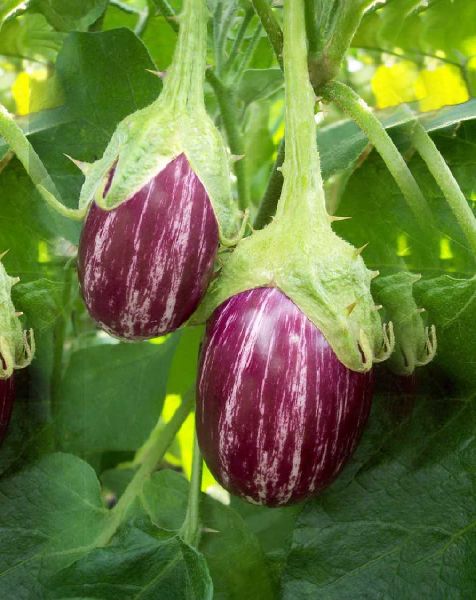
The brinjal (eggplant or baingan or aubergine) is called the King of Vegetables by some cultures. It is one of the most versatile vegetables around, loved by many people across the world.
Different varieties are available everywhere and each variety is unique in its own way, with a distinctive flavor and many essential minerals.
Eggplant or Brinjal, is a very low calorie vegetable and has healthy nutrition profile; good news for weight watchers! The veggie is popularly known as aubergine in the western world.
Growing Information
Soil preparation
Because only a few plants are needed, it is better to prepare only the planting spot. Each spot should have a diameter of 30 to 40 cm. The planting spots should be about 75 cm apart. Turn the soil using a garden fork to ensure proper aeration of soil and to work in plant rests and weeds into the soil.
Brinjals do extremely well in soil with a high humus content.
Apply one big handful of 2:3:2 (22) per m2, and turn the top 20 cm of soil.
The optimum pH (water) for brinjals is between 5, 5 and 6, 5.
Reproduction
Brinjals reproduce by seed.
Seedlings should first be established in trays with 128 holes and then transplanted, or can be sown in small pots or in a tomato box filled with compost-rich soil or seedling mix.
The seeds often contain many empty shells, which are darker in colour, and which should be separated before planting.
Seed should be sown in 1 cm drills and covered with soil.
Start making seedlings from August to September in the North West Province and Gauteng.
Germination will take place after 10 to 14 days and the seedlings can be transplanted into individual pots 5 weeks later.
Kepp seedlings moist but not wet. Use a watering can with fine spray.
If seed were planted in a seedling tray, seedlings should be fertilised 10 days after germination, using a liquid fertiliser.
Transplant into the garden when seedlings are 10 to 12 cm tall. Do not plant weak, damaged or long- stemmed seedlings. The soil should be very wet.
Cultivation
Keep the planting spots clean by removing weeds.
Irrigate early in the mornings (at least twice a week).
Apply 20 to 30 g 2:3:2 fertiliser or liquid manure every month to
each spot. Mulching will lower the soil temperature after planting. Apply every 7 to 8 weeks.
Turn the soil lightly after fertiliser application and water thoroughly.
Harvesting
Harvest the fruit as soon as it reaches a diameter of 7 to 10 cm (about 3 months after transplanting).
In the case of good irrigation and fertilisation practices, 10 to 12 of them can be harvested from each plant.
Brinjal plants are delicate and care should be taken not to damage the plants during harvesting (the stems are quite brittle).
Cut the fruit with pruning scissors. Handle with care to prevent bruising. Keep in mind that the shelf life of the fruit is not very long.
Special Notes
Benefits of Brinjal (Eggplant)
The brinjal or eggplant has a lot of vitamins and nutrients. It contains vitamins like B1 and B6. It also contains a good amount of potassium, copper, magnesium, manganese, phosphorus, niacin, and folic acid. This high nutritive value of the brinjal makes it one of the most important vegetables.
1. Helps keeping diabetes in control: The eggplants are a very rich source of fibre and low soluble carbohydrates. Thus they are highly beneficial for regulation of blood sugar levels and also to control the absorption of glucose. This makes them the best option for people suffering from type 2 diabetes.
2. Helpful to the heart: The cholesterol levels are brought down to a great extent by the eggplant. It also helps stabilize the level of blood pressure. All this in turn lowers the risk of heart diseases. The body is also kept well hydrated thanks to the potassium content present in this vegetable. This ensures that there is no retention of fluids which prevents coronary heart diseases.
3. Helpful to the brain: Eggplant contains Phytonutrients which keep the cell membranes protected from any kind of damage and facilitates the message transfer from one part to another, thus preserving the memory function.
4. Helps create iron in the human body: We all require iron for proper functioning in our day to day life. However, too much of iron in the body is not a good sign. The content of nasunin that is present in eggplant helps remove excess iron from the body. This brings down the risk of getting heart attacks as it damages the existence of the free radicals in ones system.
5. Facilitates weight loss: Eggplant is considered to be high in water content yet low in calorie count. This feature makes it very ideal as a healthy diet for people who want to reduce weight. The spongy texture of the vegetable is what facilitates these characteristics, hence one must consume in its natural form as much as possible.
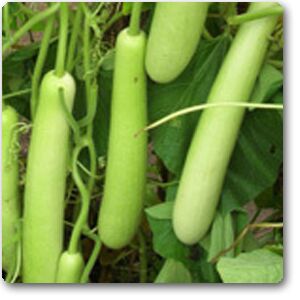
The bottlegourd belongs to the cucumber family and originated in Africa, and is now available in most parts of the world. Also known as calabash, cucuzza, sorakaya, lauki, doodhi, and ghiya in various languages, this vegetable comes in different shapes, the most common being the bottle-shaped (hence the name) and round.
The sizes vary from six inches in length to more than six feet.
Sun: Full Sun
Spread: 12 feet
Height: 10-12 feet
Days to Maturity: 110-130 days
Sowing Method: Direct Sow
The bottle gourd is a vigorous, annual, running or climbing vine with large leaves and a lush appearance. It grows fast and may begin to flower only 2 months after seeding. The vine is branched and climbs by means of tendrils along the stem. The foliage is covered with soft hairs and has a foul musky odor when crushed.
The leaves of the bottle gourd are up to 15 inches wide, circular in overall shape, with smooth margins, a few broad lobes, or with undulate margins.
Growing Information
The bottle gourd is an annual plant that grows on vines. It has large leaves and it looks very lush as it grows. The plant grows quite quickly and may show flowers only two months after its planted. The vines will grow on trellis and the leaves c?n be up to 15 inches wide.
Planting
Choose a location that is sunny and has good drainage. If you have a location that is suitable and near a fence, the vines will climb the fence and save you from installing a trellis. Plan planting for spring when all threat of frost is gone and the soil has warmed and dried out a bit.
Remove all grass, weeds and stones from the garden bed. Place an inch of composted manure on top of the bed and work it into the soil. This can be done with a hoe or you may want to use a tiller.
Plant seeds 2 feet apart from each other in rows 5 feet apart. If you are not next to a fence install a trellis or arbor immediately after planting, so you do not disturb growing roots. You may also allow the vines to run on the ground; however the gourds will have a flat, dark side where they lay on the ground.
Water the soil completely immediately after planting. Keep the seeds moist for the first 2 weeks, then cut back watering to once a week if there is no rain. More water may be needed during very hot, dry or windy weather.
Apply a side dressing of 3 lbs. of 10-10-10 fertilizer per 100 square feet of garden when the vines start to run. Water the fertilizer into the ground well.
Mulch around the plants to conserve moisture and to keep weeds from growing. If you did not install a trellis or plant near a fence, keep the vines above the mulch so the gourds wont be sitting directly on the ground.
Harvest
Weeding can be done by hoeing as and when necessary. Fruit rot during rainy season can be checked by training the plants over the bamboo stick or dried branches.
Special Notes
Cooking Tips
Select small, tender, and firm bottlegourds (light green and fresh-looking); prick the skin, and if its thin, its tender. You can use tender bottlegourds with the peel and tender seeds. To use mature bottlegourd, remove the peel and seeds.
Taste the bottlegourds before cooking, as they can sometimes be bitter.
Wrap in plastic and refrigerate to keep the bottlegourds fresh.
Use them for curries, soups, salads, chutneys, jams or desserts. Their neutral taste lends itself to a variety of dishes, both savory and sweet.
Health Benefits
Including bottle gourd in your regular diet reduces fatigue and maintains freshness especially in the summer.
It is rich in, thiamin, vitamin C, zinc, iron and magnesium thus helping in improving overall health.
Cooked bottle gourd is anti-bilious and it helps one relax after eating.
Almost 96% of the bottle gourd is water which makes it very light and easy to digest. Bottle gourd is commonly used for treating indigestion, constipation, and diarrhea. Bottle gourd juice with a pinch of salt is also used to treat dehydration caused by diarrhea.
Very effective in the treatment of acidity and ulcers.
The water content in bottle gourd along with the high fiber content helps with digestive disorders like constipation, flatulence and piles.
Bottle gourd is also believed to help the liver function in a balanced fashion.
The juice from bottle gourd leaves help cure jaundice.
If consumed with lime juice, gourd juice will effectively treat burning sensations in the urinary passage. It serves as an alkaline mixture.
The juice of bottle gourd is a valuable medicine for excessive thirst due to severe diarrhea, diabetes and excessive use of fatty or fried foods.
The gourd fruit juice is used in the treatment of insanity, epilepsy and other nervous diseases.
It has sodium of 1.8 mg per 100gm and 87mg of potassium making it a suitable vegetable for hypertensive patents.
A mixture of bottle gourd juice and sesame oil acts as an effective medicine for insomnia, it should be massaged on the scalp every night.
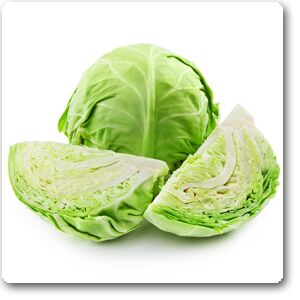
Cabbage (Brassica oleracea or variants) is a leafy green biennial plant, grown as an annual vegetable crop for its dense-leaved heads. Closely related to other cole crops, such as broccoli, cauliflower, and brussels sprouts, it descends from B. oleracea var. oleracea, a wild field cabbage. Cabbage heads generally range from 1 to 8 pounds (0.5 to 4 kg), and can be green, purple and white. Smooth-leafed firm-headed green cabbages are the most common, with smooth-leafed red and crinkle-leafed savoy cabbages of both colors seen more rarely.
This cool-season crop grows best when daytime temperatures are in the 60s F. Direct-seed or transplant spring crops for fresh use in summer. Plant fall crops for winter storage or sauerkraut.
Lifecycle: annual
Ease-of-care: moderately difficult, Requires good soil, timely planting and protection from pests.
Height: 1 to 2 feet
Spread: 1.5 to 3 feet
Shape: cushion, mound or clump
Growing Information
Sunlight: full sun, Can tolerate light shade but will slow maturity. Light shade can be beneficial in warm weather.
Soil conditions: requires well-drained soil, Prefers well-drained, fertile soil high in organic matter, pH 6.0 to 7.5. Can tolerate slightly alkaline soil. This heavy feeder also needs plentiful, consistent moisture.
Germination temperature: 45 F to 85 F - Will germinate at soil temperatures as low as 40 F.
Days to emergence: 4 to 7
Planting
Start cabbage seeds indoors 6 to 8 weeks before the last spring frost. See frost dates for your area here.
Harden off plants over the course of a week. To prepare soil, till in aged manure or compost.
Transplant outdoors 2 to 3 weeks before the last expected frost date. Choose a cloudy afternoon.
Plant 12 to 24 inches apart in rows, depending on size of head desired. The closer you plant, the smaller the heads.
Mulch thickly to retain moisture and regulate soil temperature.
Practice crop rotation with cabbage year to year to avoid a buildup of soil borne diseases.
Although broccoli, cauliflower and cabbage are closely related, cabbage will not tolerate them. Also avoid proximity to strawberries and tomatoes.
Cabbage can be grown near beans and cucumbers.
Check out our chart of plant companions for an expanded list of friends and foes.
Care
When transplants reach 5 inches tall, thin to make sure they are still the desired length apart. (The plants you remove can be transplanted elsewhere in your garden.)
Fertilize 3 weeks after transplanting.
Keep soil moist with mulch and water 2 inches per week.
Harvest
Harvest when heads reach desired size and are firm. This will take around 70 days for most green cabbage varieties. Most early varieties will produce 1- to 3-pound heads.
Cut each cabbage head at its base with a sharp knife. After harvesting, bring inside or put in shade immediately.
To get two crops from early cabbage plants, cut the cabbage head out of the plant, leaving the outer leaves and root in the garden. The plant will send up new headspinch them off until only four or so smaller heads remain. When these grow to tennis-ball size, they will be perfect for salad.
After harvesting, remove the entire stem and root system from the soil to prevent disease buildup. Only compost healthy plants; destroy those with maggot infestation.
Cabbage can be stored in the refrigerator for no more than two weeks, wrapped lightly in plastic. Make sure it is dry before storing. In proper root cellar conditions, cabbage will keep for up to 3 months. See our article on root cellars.
Special Notes
Culinary use
Cabbage is prepared and consumed in many ways. The simplest options include eating the vegetable raw or steaming it, though many cuisines pickle, stew, saute or braise cabbage.
Pickling is one of the most popular ways of preserving cabbage, creating dishes such as sauerkraut and kimchee, although kimchee is more often made from Chinese cabbage .
Savoy cabbages are usually used in salads, while smooth-leaf types are utilized for both market sales and processing.
Bean curd and cabbage is a staple of Chinese cooking, while the British dish bubble and squeak is made primarily with salt and boiled cabbage.
Nutrition and health
Cabbage is a good source of beta-carotene, vitamin C and fiber. Studies suggest that it, as well as other cruciferous vegetables, may reduce the risk of some cancers, especially those in the colorectal group.
Purple cabbage also contains anthocyanins, which in other vegetables have been shown to have anti-carcinogenic properties.Along with other cole crops, cabbage is a source of indole-3-carbinol, a chemical that boosts DNA repair in cells.
The Ancient Greeks recommended consuming the vegetable as a laxative, and used cabbage juice as an antidote for mushroom poisoning, for eye salves, and they prepared liniments with the plant to help bruises heal
The cooling properties of the leaves were used in Britain as a treatment for trench foot
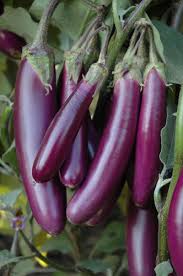
The brinjal (eggplant or baingan or aubergine) is called the King of Vegetables by some cultures. It is one of the most versatile vegetables around, loved by many people across the world.
Different varieties are available everywhere and each variety is unique in its own way, with a distinctive flavor and many essential minerals.
Eggplant or Brinjal, is a very low calorie vegetable and has healthy nutrition profile; good news for weight watchers! The veggie is popularly known as aubergine in the western world.
Growing Information
Soil preparation
Because only a few plants are needed, it is better to prepare only the planting spot. Each spot should have a diameter of 30 to 40 cm. The planting spots should be about 75 cm apart. Turn the soil using a garden fork to ensure proper aeration of soil and to work in plant rests and weeds into the soil.
Brinjals do extremely well in soil with a high humus content.
Apply one big handful of 2:3:2 (22) per m2, and turn the top 20 cm of soil.
The optimum pH (water) for brinjals is between 5, 5 and 6, 5.
Reproduction
Brinjals reproduce by seed.
Seedlings should first be established in trays with 128 holes and then transplanted, or can be sown in small pots or in a tomato box filled with compost-rich soil or seedling mix.
The seeds often contain many empty shells, which are darker in colour, and which should be separated before planting.
Seed should be sown in 1 cm drills and covered with soil.
Start making seedlings from August to September in the North West Province and Gauteng.
Germination will take place after 10 to 14 days and the seedlings can be transplanted into individual pots 5 weeks later.
Kepp seedlings moist but not wet. Use a watering can with fine spray.
If seed were planted in a seedling tray, seedlings should be fertilised 10 days after germination, using a liquid fertiliser.
Transplant into the garden when seedlings are 10 to 12 cm tall. Do not plant weak, damaged or long- stemmed seedlings. The soil should be very wet.
Cultivation
Keep the planting spots clean by removing weeds.
Irrigate early in the mornings (at least twice a week).
Apply 20 to 30 g 2:3:2 fertiliser or liquid manure every month to
each spot. Mulching will lower the soil temperature after planting. Apply every 7 to 8 weeks.
Turn the soil lightly after fertiliser application and water thoroughly.
Harvesting
Harvest the fruit as soon as it reaches a diameter of 7 to 10 cm (about 3 months after transplanting).
In the case of good irrigation and fertilisation practices, 10 to 12 of them can be harvested from each plant.
Brinjal plants are delicate and care should be taken not to damage the plants during harvesting (the stems are quite brittle).
Cut the fruit with pruning scissors. Handle with care to prevent bruising. Keep in mind that the shelf life of the fruit is not very long.
Special Notes
Benefits of Brinjal (Eggplant)
The brinjal or eggplant has a lot of vitamins and nutrients. It contains vitamins like B1 and B6. It also contains a good amount of potassium, copper, magnesium, manganese, phosphorus, niacin, and folic acid. This high nutritive value of the brinjal makes it one of the most important vegetables.
1. Helps keeping diabetes in control: The eggplants are a very rich source of fibre and low soluble carbohydrates. Thus they are highly beneficial for regulation of blood sugar levels and also to control the absorption of glucose. This makes them the best option for people suffering from type 2 diabetes.
2. Helpful to the heart: The cholesterol levels are brought down to a great extent by the eggplant. It also helps stabilize the level of blood pressure. All this in turn lowers the risk of heart diseases. The body is also kept well hydrated thanks to the potassium content present in this vegetable. This ensures that there is no retention of fluids which prevents coronary heart diseases.
3. Helpful to the brain: Eggplant contains Phytonutrients which keep the cell membranes protected from any kind of damage and facilitates the message transfer from one part to another, thus preserving the memory function.
4. Helps create iron in the human body: We all require iron for proper functioning in our day to day life. However, too much of iron in the body is not a good sign. The content of nasunin that is present in eggplant helps remove excess iron from the body. This brings down the risk of getting heart attacks as it damages the existence of the free radicals in ones system.
5. Facilitates weight loss: Eggplant is considered to be high in water content yet low in calorie count. This feature makes it very ideal as a healthy diet for people who want to reduce weight. The spongy texture of the vegetable is what facilitates these characteristics, hence one must consume in its natural form as much as possible.
 Josan Nursery (Josan Nursery)
 V.P.O Nawan Kot,G.T. Road, Jandiala Guru, ( ). PIN - , Amritsar, Punjab - 143115
 Share us via