
Company Information
 Member Since 8 Years
 Nature of Business Retailer
Ask for more detail from the seller
Contact Supplier
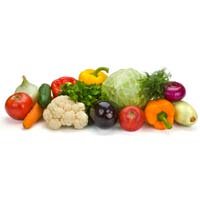
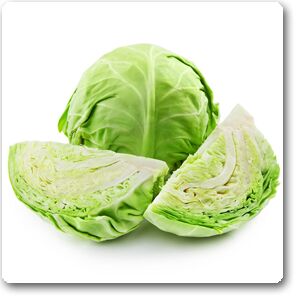
Cabbage (Brassica oleracea or variants) is a leafy green biennial plant, grown as an annual vegetable crop for its dense-leaved heads. Closely related to other cole crops, such as broccoli, cauliflower, and brussels sprouts, it descends from B. oleracea var. oleracea, a wild field cabbage. Cabbage heads generally range from 1 to 8 pounds (0.5 to 4 kg), and can be green, purple and white. Smooth-leafed firm-headed green cabbages are the most common, with smooth-leafed red and crinkle-leafed savoy cabbages of both colors seen more rarely.
This cool-season crop grows best when daytime temperatures are in the 60s F. Direct-seed or transplant spring crops for fresh use in summer. Plant fall crops for winter storage or sauerkraut.
Lifecycle: annual
Ease-of-care: moderately difficult, Requires good soil, timely planting and protection from pests.
Height: 1 to 2 feet
Spread: 1.5 to 3 feet
Shape: cushion, mound or clump
Growing Information
Sunlight: full sun, Can tolerate light shade but will slow maturity. Light shade can be beneficial in warm weather.
Soil conditions: requires well-drained soil, Prefers well-drained, fertile soil high in organic matter, pH 6.0 to 7.5. Can tolerate slightly alkaline soil. This heavy feeder also needs plentiful, consistent moisture.
Germination temperature: 45 F to 85 F - Will germinate at soil temperatures as low as 40 F.
Days to emergence: 4 to 7
Planting
Start cabbage seeds indoors 6 to 8 weeks before the last spring frost. See frost dates for your area here.
Harden off plants over the course of a week. To prepare soil, till in aged manure or compost.
Transplant outdoors 2 to 3 weeks before the last expected frost date. Choose a cloudy afternoon.
Plant 12 to 24 inches apart in rows, depending on size of head desired. The closer you plant, the smaller the heads.
Mulch thickly to retain moisture and regulate soil temperature.
Practice crop rotation with cabbage year to year to avoid a buildup of soil borne diseases.
Although broccoli, cauliflower and cabbage are closely related, cabbage will not tolerate them. Also avoid proximity to strawberries and tomatoes.
Cabbage can be grown near beans and cucumbers.
Check out our chart of plant companions for an expanded list of friends and foes.
Care
When transplants reach 5 inches tall, thin to make sure they are still the desired length apart. (The plants you remove can be transplanted elsewhere in your garden.)
Fertilize 3 weeks after transplanting.
Keep soil moist with mulch and water 2 inches per week.
Harvest
Harvest when heads reach desired size and are firm. This will take around 70 days for most green cabbage varieties. Most early varieties will produce 1- to 3-pound heads.
Cut each cabbage head at its base with a sharp knife. After harvesting, bring inside or put in shade immediately.
To get two crops from early cabbage plants, cut the cabbage head out of the plant, leaving the outer leaves and root in the garden. The plant will send up new heads—pinch them off until only four or so smaller heads remain. When these grow to tennis-ball size, they will be perfect for salad.
After harvesting, remove the entire stem and root system from the soil to prevent disease buildup. Only compost healthy plants; destroy those with maggot infestation.
Cabbage can be stored in the refrigerator for no more than two weeks, wrapped lightly in plastic. Make sure it is dry before storing. In proper root cellar conditions, cabbage will keep for up to 3 months. See our article on root cellars.
Special Notes
Culinary use
Cabbage is prepared and consumed in many ways. The simplest options include eating the vegetable raw or steaming it, though many cuisines pickle, stew, sautée or braise cabbage.
Pickling is one of the most popular ways of preserving cabbage, creating dishes such as sauerkraut and kimchee, although kimchee is more often made from Chinese cabbage .
Savoy cabbages are usually used in salads, while smooth-leaf types are utilized for both market sales and processing.
Bean curd and cabbage is a staple of Chinese cooking, while the British dish bubble and squeak is made primarily with salt and boiled cabbage.
Nutrition and health
Cabbage is a good source of beta-carotene, vitamin C and fiber. Studies suggest that it, as well as other cruciferous vegetables, may reduce the risk of some cancers, especially those in the colorectal group.
Purple cabbage also contains anthocyanins, which in other vegetables have been shown to have anti-carcinogenic properties.Along with other cole crops, cabbage is a source of indole-3-carbinol, a chemical that boosts DNA repair in cells.
The Ancient Greeks recommended consuming the vegetable as a laxative, and used cabbage juice as an antidote for mushroom poisoning, for eye salves, and they prepared liniments with the plant to help bruises heal
The cooling properties of the leaves were used in Britain as a treatment for trench foot



Connect with us





 For Buyer
  For Seller
  Help
Help 
 Jandiala, Amritsar, Punjab
  Send Enquiry