 GST : 24AAECK9117B1ZW
 4.5/5
4.5/5
Our Products
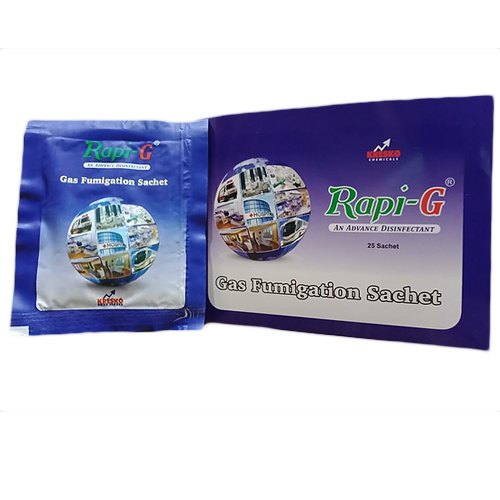
We offer a complete product range of Rapi-G Fumigation Sachet, Chlorine Dioxide Liquid for Cooling Tower, Chlorine Dioxide Liquid for Aquaculture, Chlorine Dioxide Liquid for Brewery and Chlorine Dioxide Liquid for Poultry

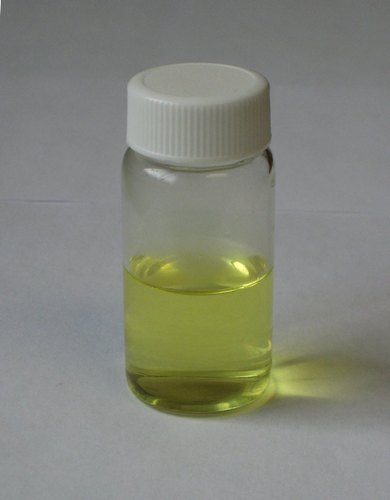
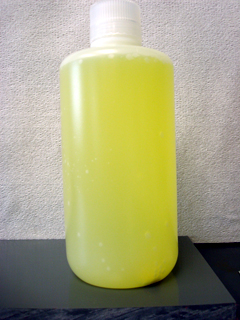
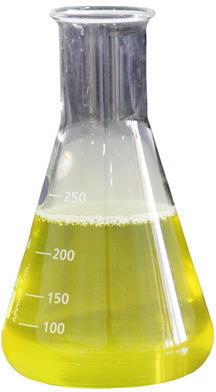
Cooling Tower Chlorine Dioxide
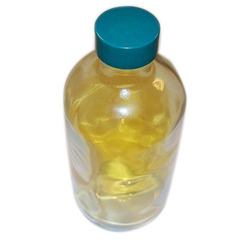
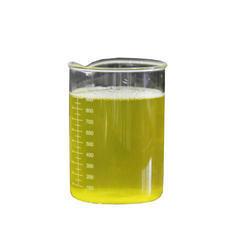
Cooling Tower Chlorine Dioxide is a highly effective oxidizing biocide used for disinfection and microbial control in cooling tower water systems. It provides superior control against bacteria, algae, slime, and biofilm, including Legionella, ensuring safe, clean, and efficient operation of cooling towers.
Product Details:
Form: Liquid / Tablet / Powder (as required)
Application: Cooling Towers, HVAC Systems, Industrial Water Circulation
Purity: High efficacy at low dosage
Solubility: Completely water soluble
Odour: Mild chlorine-like
Key Features:
Strong biocidal action against bacteria, algae, fungi, and viruses
Effective over a wide pH range (5–10)
Does not form harmful chlorinated by-products
Controls biofilm and slime formation efficiently
Reduces corrosion and scaling issues
Safe alternative to traditional chlorine treatments
Benefits:
Improves heat transfer efficiency
Extends equipment life
Reduces maintenance and downtime
Cost-effective water treatment solution
Usage:
Can be dosed continuously or intermittently
Dosage depends on system volume and contamination level
Packaging:
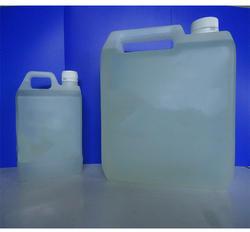
Available in HDPE drums, bottles, or customized packaging
Shelf Life:
Long shelf life when stored in a cool, dry place
Applications:
Industrial cooling towers
Power plants
Chemical & pharmaceutical industries
HVAC and commercial buildings

Chlorine dioxide is a safe and effective sanitizer for use in a variety of brewing and packaging applications. Chlorine dioxide can be applied to water systems, processing equipment, and environmental surfaces to reduce or eliminate brewery spoilage organisms.
Pitching yeasts collected from brewery fermentations are never absolutely free of microbiological infection. In spite of whatever care and sanitary precautions are taken, some bacteria and wild yeast will contaminate the pitching yeast. The pitching yeast can contain healthy yeast cells and trub (dead yeast cells and organic residues) and may contain 5 to 15% dry solids (35). To minimize microbiological infection, chlorine dioxide, an alternative to distilled water or acid washing, is relatively new to the brewing industry and is gaining acceptance as a method for washing yeast. It kills via microbes by reacting chemically with sulfur-containing amino acids, the building blocks of protein which are used to form cell membranes.
Diseases and infections have always been a major concern to the poultry industry--especially in the hatchery. Microorganisms are everywhere! Some are relatively harmless while others are highly pathogenic. Some pose a lethal threat to one species of animal while remaining harmless to another species. Some organisms are easily destroyed while others are very difficult to eliminate. Treat all microorganisms as if they are a severe threat to the chick's livelihood.
Chlorine dioxide, with its broad spectrum antimicrobial activity, can deliver kills against a wide range of microorganisms over shorter periods of contact time. Chlorine dioxide, when properly applied, minimizes toxic residues as it doesn't produce halogenated organic by-products.
Benefits of Rapid-G ClO2 gas generation system:
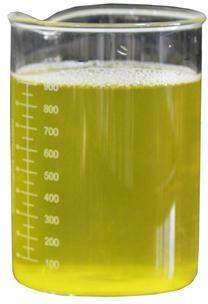
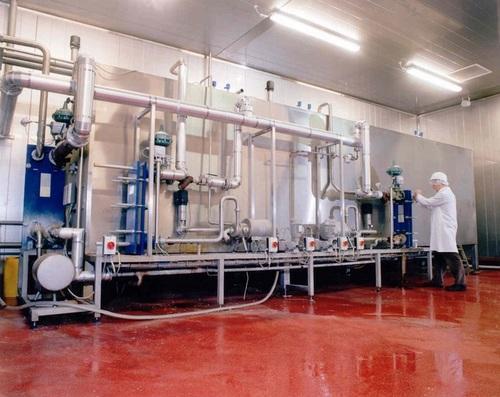
CIP Chlorine Dioxide Liquid was selected as an alternative sanitizer based on its known antimicrobial effectiveness over the wide range of pH and temperature, furthermore, chlorine dioxide does not produce tri-halo-methane or chloro phenolic by-products, an important environmental consideration. The use of chlorine dioxide replaced the use of the hot water step in the total cleaning in place (CIP) cycle. The use of chlorine dioxide solution produced no degradation in microbial control when compared with hot water sanitation. Other benefit includes the reduction in CIP cleaning time, reduce energy consumption, reduced water consumption and no equipment stress caused by repeated heating and cooling.
Legionella, a life-threatening microbial contaminant, was detected in the hospital's domestic hot and cold water systems. Because the contaminated water system was a source for dangerous waterborne pathogens, it posed a Serious risk for a Legionella outbreak among hospital patients who already Suffered from compromised immune systems. The safety of its patients is in jeopardy, surrounding a potential Legionella outbreak in the hospital.
In the normal course of operation, hospitals generate a variety of waste which is not suitable for normal disposal. While some or most hospital waste may be harmless, it is difficult to distinguish such harmless waste from infectious waste. As a result, all of the waste from a hospital must be treated as if it may be harmful.
Because of its biocidal characteristics, ClO2 is ideal for water hygiene applications in hospitals and healthcare facilities. It has consistently been shown to be the best molecule for eradicating the causative organism of Legionnaires' disease. ClO2 is strong biocide at low concentrations as low as 0.1 ppm. With minimal contact time, it is highly effective against many pathogenic organisms including Legionella, Giardia cysts, E. coli, and Cryptosporidium. ClO2 can greatly reduce and eliminate bio-film populations and discourages bacterial regrowth.
Algae control is one of the more frustrating challenges for farmers. This problem has steadily become worse in recent years and growers are recognizing significant financial losses attributed to algae and the production problems they cause. It is frustrating because while algae are living organisms, eliminating them does not fall under the normal protocols of pest control. Algae are not insects and cannot be controlled by insecticides. Nor are they a fungus that can be controlled by fungicides. Algae and bio-film are able to form a symbiotic relationship what one needs, the other provides. It''s a relationship that keeps feeding itself, which is a major point in understanding why algae control is so difficult. Bio-film is able to provide algae with enough nutrients to substitute for their need of light to create such nutrients. This allows algae to flourish in irrigation lines.
 Mr. Aminesh Nagaria (Kresko Projects Pvt. Ltd.)
 39/457 Raghukul Opp. Devi Hospital Near Paras Nagar BRTS Naranpura, Ahmedabad, Gujarat - 380060, India
 https://www.kreskochemicals.com
 Share us via