Our Products
Our offered Product range includes Pistachio Nut and Walnuts.
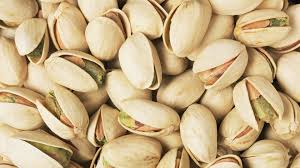
Pistachio is the fruit of Pistacchio vera tree. It is a yellow-green coloured nut found inside a hard, naturally beiged colored shell. The shells of some pistachios are colored red (with vegetable dye), while others have been blanched until white.
Pistachios arent actually nuts. Pistachio 'nuts' are actually seeds of red or yellow plum-like fruits whose flesh is removed during processing. However, everyone calls them a nut because they look like 'nuts' and belong to the cashew family. Other things in the cashew family include sumac, mangos, and poison ivy.
Pistachio nuts have a delicate, subtle flavor that is wonderful either for eating out of hand or for flavoring both sweet and savory dishes.
Nutritional Aspect of Pistachio :A hundred gm of raw pistachios provides a whopping 557 calories. Nearly two-third of the calories is from fat, a fifth is from carbohydrate and just over a tenth is from protein. Nearly 90 per cent of the fat content is monounsaturated and polyunsaturated fat that, in small amounts, is good for the heart and blood vessels. Overall, the pistachio is low in sodium and cholesterol. The protein is rich in many essential amino acids that the body cannot produce on its own and must obtain in the diet.
The nut is a great source of, thiamine, Vitamin B6, Vitamin A, folate, calcium, potassium, iron, zinc, selenium, magnesium and copper. In fact, pistachios contain more magnesium and copper than potatoes, milk, or bread. Pistachios are rich in phytosterols that lower blood cholesterol levels and also have the potential to prevent cancer. They are also rich in dietary fibre: in fact, an ounce of nuts contains more fibre than half a cup of spinach.
The tree gum is used to make blood-clotting agents and also to treat periodontal diseases. In folk medicine, the pistachio is a cure for liver and other abdominal complaints, chronic cough, abscesses, sores and vascular insufficiencies. Pistachio leaves are a fertility drug in the folk medicine of Lebanon, and, in much of Arabia, the nuts are thought to have aphrodisiacal properties.
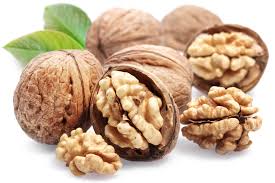
Walnuts is the stone or the ridged or corrugated seed of a deciduous tree of the genus Juglans, having pinnately compound leaves. The nuts are usually enclosed in a leathery or woody hull. Like all other nuts walnuts is a rich source of oil and are widely eaten both raw and also when used in cooking.
Health Benefits of Walnuts :Walnuts not only taste good, but they provide essential nutrients and are cholesterol free. Their positive affect on the heart can be especially attributed to the high content of alpha linolenic acid. Among natural nourishment, walnuts feature the highest concentration of these essential Omega 3 fatty acids : for every 100g of edible mass, they have 7g. The protective function of walnuts on the heart is also supported by vitamin E. In its role as a captor of free radicals, vitamin E increases the immune system performance and actively aids in protecting cells. Vitamin E protects cells from attacks by free radicals by neutralizing them. Vitamins support essential brain functions, prevent mood swings and lapses in concentration. If you feel tired or stressed out, a walnut snack will help bring your gray cells back to their feet in no time.
Furthermore, walnuts are ideal for the nervous system due it its content of B vitamins.
 Mr. Khushal Patel & Mr. Milan Patel (Ollo Import Export)
 702, Rivera Wave, Near. Mc donald, Kalawad Road, Kalavad Road, Rajkot, Gujarat - 360005, India
 Share us via