My ExportersIndia

For Buyer

For Seller

For Help

OC

Ostotrade & Consulting Gmbh
location Trahuetten Deutschlandsberg, Austria

Write a Review

Petrochemicals & Petroleum Products

Our product range contains a wide range of Natural Paint Bitumen, Natural Foundry Bitumen, Oxidized Bitumen, Emulsion Bitumen and Penetration Grade Bitumen
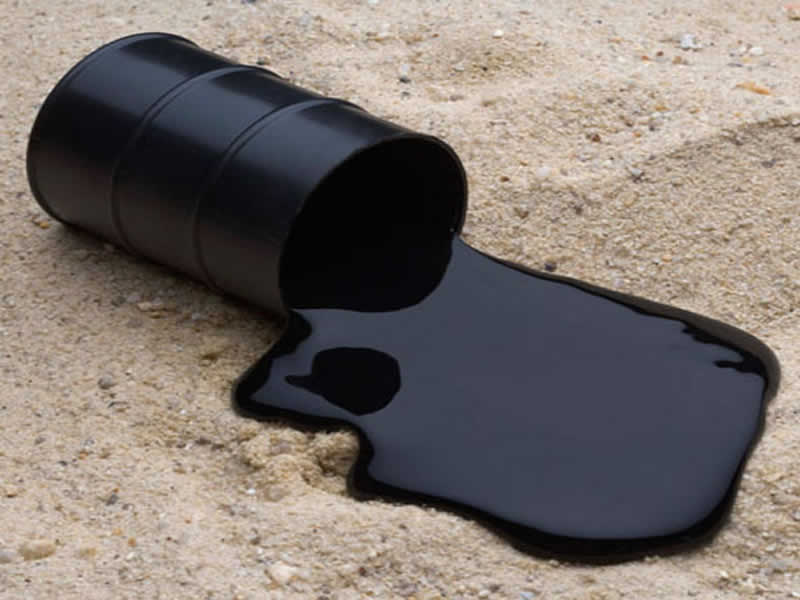
Cutback Bitumen

From Austria, we are offering various grades of Cutback Bitumen for fulfilling customer has variegated industrial demands. We procure the Bitumen from reliable vendors who use the latest methods for processing it. We are well reckoned as an Exporter and Supplier of Cutback Bitumen and known across the world for our fair pricing policy.


Details :

  • Cutback Bitumen (Liquid Bitumen) is Bitumen dissolved in a petroleum solvent. Typical solvents include kerosene. The type of solvent controls the curing time and its ultimate strength while the amount of solvent affects the viscosity of the cutback Bitumen.
  • Solvent is added to reduce the viscosity of the bitumen temporarily so that it can penetrate pavements more effectively or to allow spraying at temperatures that are too cold for successful sprayed sealing. The solvent bitumen will evaporate after the application to leave the remaining material similar in hardness to that of the original bitumen.


Applications : Priming and Tack Coating - Cutback bitumen's suitable for priming are also used for tack coats, which are applied to an underlying surface to help with the adhesion of subsequent asphalt layer. A typical application rate is between 0.2 and 0.4 L/m2 Primer Sealing - Where temperatures are too cool for an effective priming operation, or where traffic is likely to upset a primed surface before the final seal can be sprayed, a primer seal can be used to give adequate protection of the pavement for periods of up to 6 to 12 months. Cutback bitumen's suitable for primer sealing can also be used in the manufacture of pre-mix asphalt, which is used in patch repairs.


Grades :
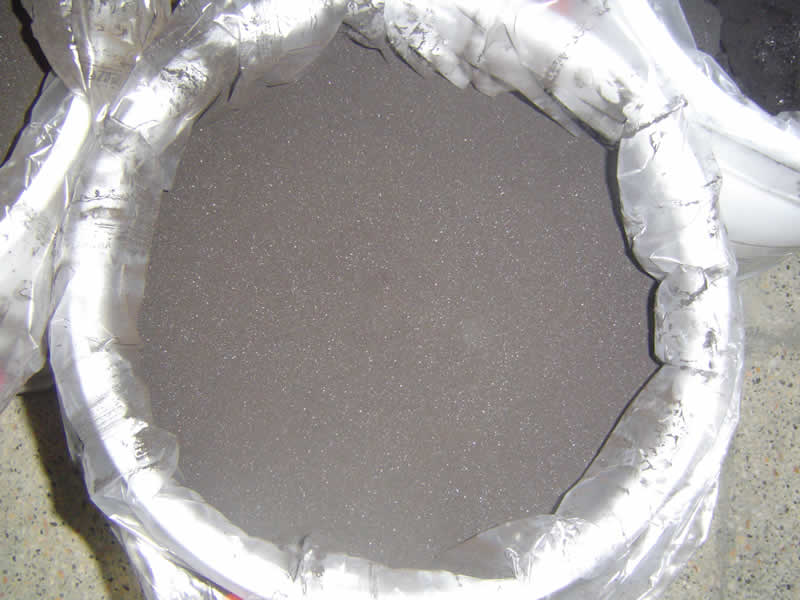
  •     CutBack Bitumen Grade MC30
  •     CutBack Bitumen Grade MC70
  •     CutBack Bitumen Grade MC250
  •     CutBack Bitumen Grade MC800
View Complete Details

Natural Cementing Bitumen

Procured from dependable vendors and available at modest rates, our Natural Cementing Bitumen is favored by customers across the world. As a reliable Exporter and Supplier from Austria, we ensure that customers get only the best quality product. Hence, our quality analysts examine the Natural Cementing Bitumen on various parameters before approving it for delivery.


Details :
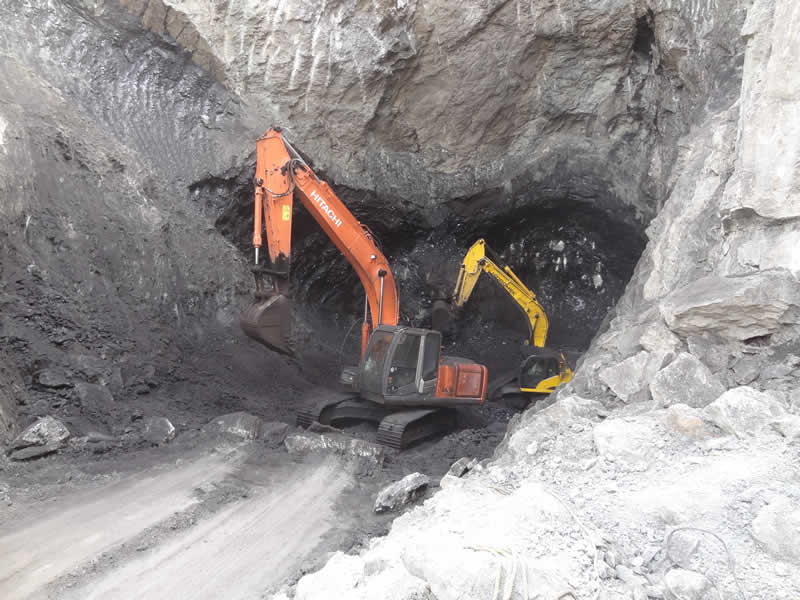
  • A cement produced by Gilsonite is suitable for blocking or plugging an abandoned pipeline or back filling a mine shaft, tunnel or excavations contains Portland cement or a mixture of at least two components selected from Portland cement, A cementitious slurry, formulated from the cement mix, may have a density less than or equal to 1500 kg/m3, and exhibits good compressive strength.
  • In the formulation of the cementing composition of the invention, it is preferable to employ gilsonite in an amount ranging from approximately one-half to approximately ten times by volume the amount of the cement utilized, depending upon the particular result desired.
  • The lower range is employed where maximum strength is important; the higher range where the various qualities imparted by the gilsonite are most important.
  • Particle size and particle size distribution of the gilsonite determine the strength and porosity-permeability characteristics of the set cement for any given mix ratio.
  • Where maximum strength is desirable, a coarse gilsonite Where lightest weight and lowest porosity-permeability are important and strength is to be sacrificed or is of little importance, an aggregate of minus 50 mesh or finer may be used.
  • Conditions are often encountered in the field requiring various combinations of particle size and particle size distribution. The above examples represent extremes. The mix must, however, always be pumpable through the system from the mixing point to the final point of placement of the cement slurry. The coarser the aggregate, the less that may be present in any given slurry without impeding pumpability.
  • For example, a cement-gilsonite ration of 1:4, using the coarse aggregate specified above, is difficult to pump and is likely to plug restricted passages in the system, whereas the same mix, using the fine aggregate specified above, will never plug if the water-cement ratio is high enough.
  • An amount of a petroleum solvent which depends upon the amount of gilsonite present, may be added to the wet or dry mix for wetting the surface of the gilsonite particles and causing them to form an intimate bond with casing and earth formations of the bore hole, thus preventing corrosion and minimizing pulling away of the cement from the casing and/or bore hole wall by reason of the shrinkage normal to setting of the cement.
  • Instead of adding the solvent directly to the mix, it may be pumped through the casing and into the cementing zone in advance of the gilsonite-cement slurry.
View Complete Details

Natural Drilling Bitumen

Purchase from us superior quality Natural Drilling Bitumen at minimal rates. Our Drilling Bitumen is widely appreciated for its high quality, accurate composition, and long shelf life. We have gained prominence as the Exporter and Supplier of Natural Drilling Bitumen from Austria and capable of delivering it within postulated time.


Details :
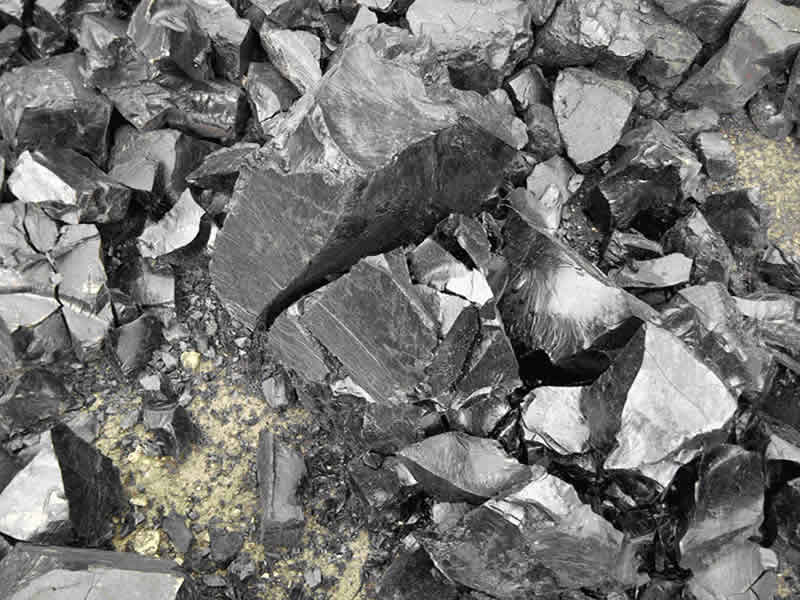
  • The invention relates to a composition comprising an HPHT fluid loss control aid, stable at elevated temperatures and which also acts as an excellent shale stabilizer, bore hold lubricant, sealant for depleted sand, and wall cake conditioner. The HPHT fluid loss control aid broadly comprises a Gilsonite (asphaltite, asfaltit, Gilsonita, uintaite, natural asphalt, natural bitumen) which also contains a surfactant such as a nonionic surfactant. The HPHT fluid loss control aid also contains a solubilized lignite such as causticized lignite and carbon black. The fluid loss control aid reduces HPHT filtrate loss, has good stability at elevated temperatures such as at 300 °F, stabilizes troublesome shales and decreases bore hole erosion, helps seal depleted sands, reduces torque and drag, causes no adverse effects on the flow properties of the properly conditioned drilling fluid, and lowers total well costs.
  • To achieve these and other advantages, and in accordance with the purpose of the invention, as embodied and broadly described, the invention comprises a composition comprising an HPHT fluid loss control aid stable at elevated temperatures, and which also acts as an excellent shale stabilizer, bore hole lubricant sealant for depleted sands, and wall cake conditioner. The HPHT fluid loss control aid broadly comprises Gilsonite, an asphaltic material or solidified hydrocarbon produced by ATDM Gilsonite Company in Iran. The Gilsonite employed according to the present invention also contains a surfactant, especially, a nonionic surfactant.
  • combination of these compounds as a HPHT fluid loss control aid, reduces HPHT filtrate loss has good stability at elevated temperatures such as at about 300 °F and sometimes as high as 400 °F, stabilizes troublesome shales and decreases bore hole erosion, helps seal depleted sands, reduces torque and drag, causes no adverse effects on the flow properties of the drilling fluid properly conditioned and lowers total well costs. The invention also comprises a product made by combining the components of the composition as well as a product made by the process of adding the composition or product to a drilling fluid. Lastly, the invention comprises a process for controlling HPHT fluid loss in subterranean wells by adding the composition or product into a subterranean well.
  • Drilling fluids as used in the written description and the claims, include not only conventional drilling fluids or drilling muds including petroleum oil, synthetic oil and fresh water and salt water types as known in the art but also completion fluids and work over fluids.
View Complete Details

Natural Ink Bitumen

  • Min. Order (MOQ) 13 Metric Ton
  • MOQ 1 FCL

We are an esteemed Exporter and Supplier of Natural Ink Bitumen from Austria. Our Ink Bitumen is widely used for areas where a corrosion resistance protection is required. We offer the Bitumen in various packaging sizes to cater to the variegated demands of the customers. We offer Natural Ink Bitumen at affordable rates.


Details :

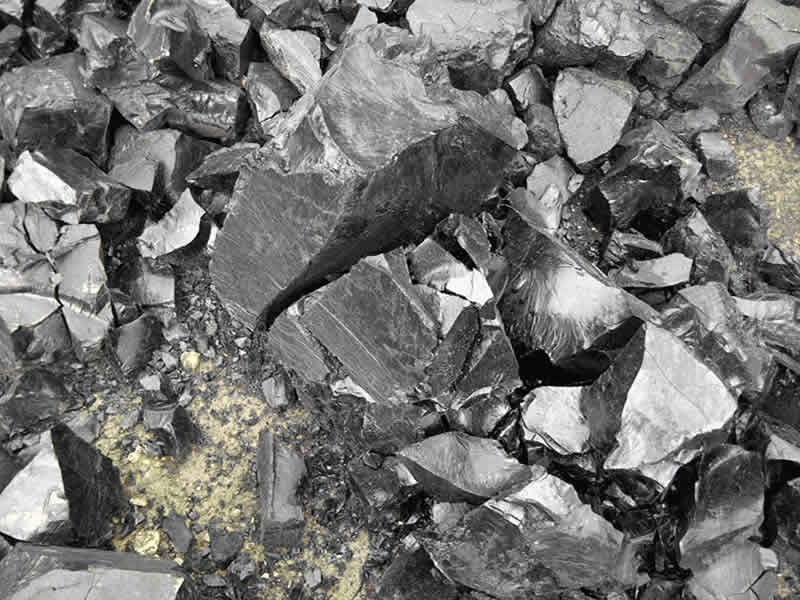
  • Radiant Global natural bitumen Ink and paint grade is a quick drying high gloss and corrosion resistant asphalt enamel. It is using for fully resistance to water, acids, alkalies, electrolysis and natural elements.
  • natural bitumen powder is readily soluble without heating in aromatic solvents (Benzene, Toluene, Xylene) and in most chlorinated solvents. It is also soluble without heating in aliphatic and low aromatic solvents (VM&P and other Napthas, Ink Oils and Mineral Spirits), but mixing time is longer. Without heating, the pulverized grade is recommended.
  • Films developed from natural bitumen powder have a dark color with little bronzing effect. Solutions do not thicken upon aging. natural bitumen powder is compatible with drying oils, vegetable oils, rosins, hydrocarbon resins, elastomers, asphalts, and waxes for specialty applications. It has limited solubility in most alcohols and ketones.


Paint and Coat : natural bitumen's applications in the bituminous paint, coatings and wood stain industries. It contains an outline which highlights natural bitumen's advantages in these markets, plus sample formulations, mixing instructions, and product performance data, etc. In the paint applications, natural bitumen is usually used in combination with bitumen (asphalt). In most cases, if natural bitumen is used alone, the final paint will be very hard and brittle after drying. If normal straight-run bitumen is used alone, the finished paint is too soft and tacky. Therefore, a combination of natural bitumen and bitumen is used to achieve the desired hardness (penetration) and drying time of the finished paint. In addition to imparting hardness to the paint, natural bitumen is also increasing the paint's- (1) adhesion; (2) gloss; (3) chemical resistance; (4) water resistance; and (5) body. For hardness, natural bitumen has a zero (0) penetration (at 25°C; 100 gm, 5 sec.) compared to the 60-70 pen, 80-100 pen or softer bitumens commonly available from petroleum companies or asphalt manufacturers. Approximately 90% of all bitumen is used for road construction and these hardness grades are acceptable for that purpose. However, they are too soft by themselves for the manufacture of paint and surface coatings which require hardness values around 5 penetration for acceptable paint drying. Paint films composed of bitumen alone are tacky if the penetration is more than 10, and are brittle if less than 4. Air-blowing soft, road paving bitumens down to 5 pen is a common practice but this is an advanced aging process which damages the bitumen. Air-blowing upsets the colloidal balance of the bitumen which can lead to films of oil or wax exuding from the bitumen. If these films exude to the surface of the paint, the result is a loss of gloss. If these films migrate to the interface of the substrate, the result is a loss of adhesion which causes the paint to peel. Other disadvantages of using air-blown bitumen in paint formulations include gelling with certain solvents and large viscosity increases during the mixing of the paints or during their storage. Therefore, rather than air-blowing a soft bitumen down to 5 penetration, that same soft bitumen may be transformed into a hard bitumen by modifying it with natural bitumen, avoiding the disadvantages of oil/wax migration and gelation. For example, adding about 35 to 50% mineral bitumen to an 80-100 penetration bitumen will transform it to 5-10 penetration, suitable for paint making.


Recommended Uses : For painting metal, masonry, and wood surfaces, inside and out where a corrosion resistance black protective coating is desired.


Excellent for use on :

  • Underground Pipelines
  • Storage Tanks
  • Barrels
  • Automotive Undercarriage
  • Battery Cables
  • Wood Surfaces
  • Masonry Surfaces
  • Eave troughs
  • Roofs

Additional Information:

Payment Terms : L/C, T/T,

Packaging Details : Packing in bags or jumbo bags. Also bags with customer logo and text is possible.

Delivery Time : 2 Weeks
View Complete Details

Natural Paint Bitumen

Our company is recognized for exporting and supplying Natural Paint Bitumen from Austria. The superior grade Natural Bitumen is procured from reliable vendors who process it in hygienic environment. We are capable of handling small and bulk orders of Natural Paint Bitumen and ensuring their timely delivery throughout the world.


Details :
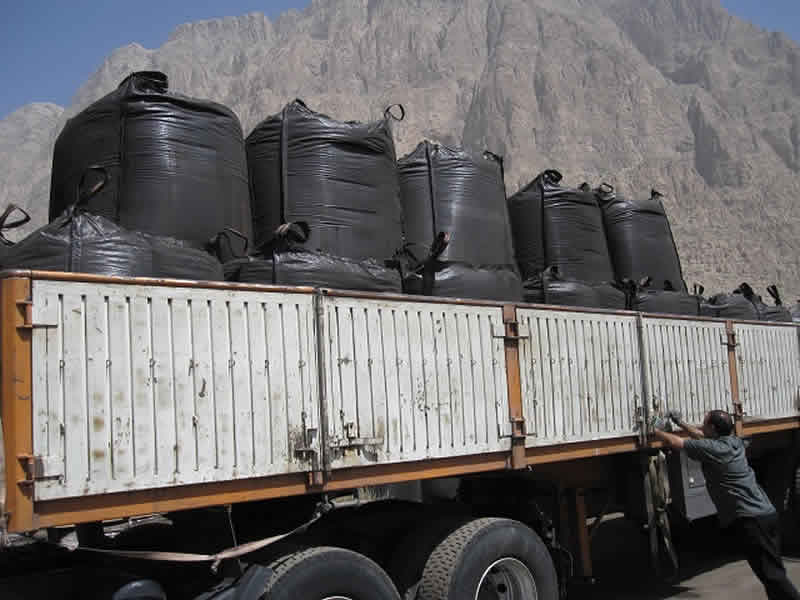
  • Maximum water and Weather resistance is obtained by using a paint containing gilsonite and the gas-proofed tung or oiticica (or mixtures of the two) oil without the addition of any other drying oil, but it is found that while this combination is commercially usable, it is difficult to brush, and it is preferred to add a viscosity reducing drying oil. For this purpose it is found that perilla oil is particularly satisfactory. Other drying oils such as linseed, soya bean, sunflower seed, hempseed, menhaden, or sardine oil may be used instead of the perilla oil. The perilla oil, however, has considerably better drying properties than the other oils mentioned.
  • Gilsonite, when fluxed with raw tung or oiticica oil, gives an unstable liquid, that is, one which will take on excessive body when aging, and one which is not gas-proof. I
  • On the other hand, when gilsonite is fluxed with tung or oiticicaoils which have been heat-treated with the additions of gums or resins in the ordinary fashion, the resulting paint becomes full of check marks and deteriorates rapidly, particularly upon exposure.
  • The use of the present type of oils, however, results in a paint which does not take on excessive body upon aging and at the same time does not check and deteriorate rapidly upon exposure.
  • Driers, such as lead, cobalt, or manganese oxide, or the like, may be incorporated to control the drying time of the finished paint. Thinning oils such as mineral spirits, solvent naphtha, or any good solvent for the gilsonite and the oils, may be incorporated to bring the paint to the desired consistency. This normally requires about 50% to 65% by weight of thinning oils.
  • As an example of the invention, 50 pounds of gilsonite and 10 pounds of perilla oil are heated to a temperature of 400 to 450 F. and are mechanically agitated until the gilsonite is completely fluxed by the perilla oil. Forty pounds of the gas-proofed tung or oiticica oil (or a mixture thereof) are then added and mechanically mixed until the oils and the gilsonite are completely incorporated into a homogeneous mass. Thinning oils may then be added to bring the paint to the desired consistency, which normally requires about 53% to 55% of the thinning oils. The driers may then be incorporated in the desired percentage.
  • The percentage of ingredients may, of course, vary within rather wide limits, depending upon the particular characteristics desired in the ultimate product. For example, the percentage of gilsonite in the paint base may vary from 10 to 80%, according to the intensity of the color and the hardness of the film desired. Normally this ratio will be between 25 and 60%. However, for water-proofing on certain interior surfaces it is desirable to have a much harder film, and for certain of such uses it may be desirable to increase the gilsonite to as much as 80%.
  • While the lower limit of 10% for the gilsonite is lower than will ordinarily be used, a satisfactory and durable paint may be made With as small a proportion of gilsonite as this by incorporating a small amount of carbon black, say 3%, ; to 5% by Weight. 7
  • The percentage of tung or oiticica oil may likewise vary, but the higher the percentage thereof, the more durable will be the film produced. The preferred range is between 25 and 50% of either tung or oiticica oils, or a mixture thereof. However, the beneficial results of the combination of these gas-proofed oils with gilsonite are obtained over the entire range of Gilsonite concentration given.
  • In the above percentages any difference is normally made up by a viscosity reducing oil such as perilla. In the absence of such an oil, however, the tung or oiticica oil may be used to complete the paint base.
  • Pigments such as iron oxide, or chrome green may be incorporated to produce paints of attractive colors and great durability.
  • A paint prepared in accordance with this invention not only has greater water and Weather resisting properties, but is more resistant to acids and alkalis than a paint comprising gilsonite and a drying oil other than the gas-proofed tung oil.
  • The term film-forming constituents as used in the claims denote those portions of the film which do not evaporate following application of the paint, but which remain to form the paint film.
  • The foregoing detailed description has been given for clearness of understanding only, and no unnecessary limitations should be understood therefrom, but the appended claims should be construed as broadly as permissible in view of the prior art.
View Complete Details

Natural Foundry Bitumen

Leveraging on our industry rich expertise, we are one of the credible Exporters and Suppliers of Natural Foundry Bitumen from Austria. We have maintained a large stock of Foundry Bitumen in our spacious warehouse to cater to bulk requirement of the buyers with ease. We can be relied upon for timely delivery of Natural Foundry Bitumen all over the world.


Gilsonite foundry sand help :

  • Reduce imperfections due to the rapid reaction between the silica sand mold and the oxidized surface of molten iron.
  • Improve sand peel from casting at shakeout.
  • Produce smoother, cleaner casting surface.
  • Minimize imperfections, casting losses, scrap.


Details : During pouring, the gases given off from the carbonaceous additives form a gaseous film which prevents the molten metal from making direct contact with the clay-coated sand grains, reducing sand-metal contact and consequently burn-on. When heated, the carbonaceous materials provide volatile, hydrocarbon gases which then pyrolize to deposit a lustrous carbon graphitic layer in the metal-mold interface region. This deposition acts as a physical barrier to iron silicate formation as well as not being readily wetted by molten iron. The combination effect is to inhibit burn-on and penetration. When the carbonaceous materials are heated they create a mold atmosphere of reducing gases. This atmosphere keeps the surface of molten iron at the interface free from oxidation, thus preventing formation of the iron silicate necessary for penetration and burn-on. A. Burn-on: Sand grains firmly bonded to casting. B. Burn-off: Casting surface has rough, sandy appearance. C. Metal penetration: Metal penetrates into voids between sand grains forming fused mass of metal and sand, casting difficult to remove. D. Pin holes, caused by high nitrogen content.
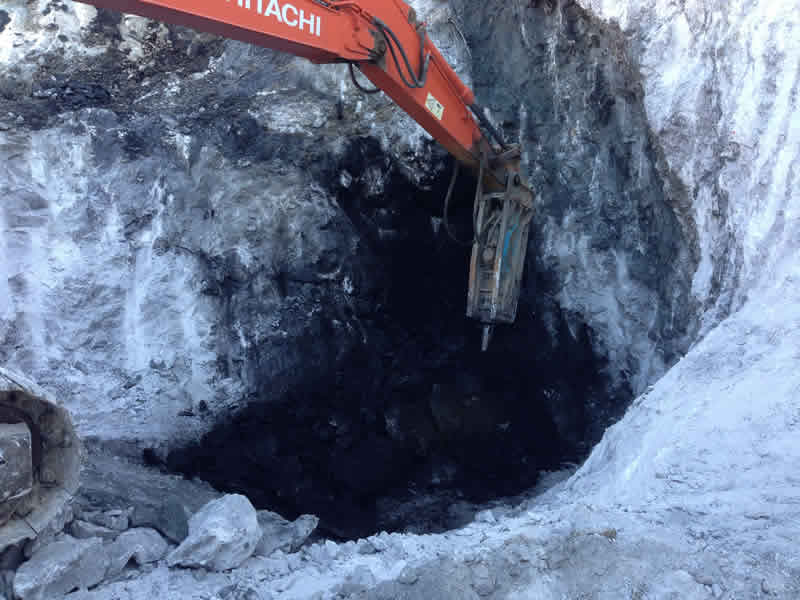
View Complete Details

Oxidized Bitumen

Our company is a reputed Exporter and Supplier of Oxidized Bitumen based in Austria. Our offered Oxidized Bitumen is noted for its excellent bonding and adhesion strength, hence, preferred all over the world. Customers can acquire different grades of Oxidized Bitumen from us at highly affordable rates and expect a prompt delivery.


Details : Oxidized bitumen is a peculiar amorphous material which is generally in liquid form when discharged by oxidation plants at a temperature ranging from 240° to 300° C., and becomes solid or pasty at ambient temperatures. While being relatively hot, it is viscous, whereas when in pasty or solid state it possesses a fair degree of elasticity. Both in liquid and in plastic or solid form oxidized bitumen is a highly insulating material with good adhesion properties with respect to almost any solid material.


Uses :

  • Used for Protection of Under Ground Concrete, Bridges, Culverts, Retaining Walls, Tanks Surroundings, Dams, Conduits, Decks, Etc.
  • Oxidized Asphalt, Type R (grade 115/15) Has Good Resistance for Vertical & Sloped Surfaces Under Direct Sunlight in the Temperatures Exceeding 50o C.
  • Grade Oxidized Asphalt Can Be Used in Built Up Water Proofing System.
  • Also Used as Raw Material for Manufacturing of Water Proofing Products.
  • As a Mop Coat for Damp Proofing.
  • As a Crack Filler in Black Top Surfaces.
  • Excellent Bond & Adhesion (see Note On Priming).


Oxidized Bitumen Grades :

  • Oxidized Bitumen Grade 75/25
  • Oxidized Bitumen Grade 85/25
  • Oxidized Bitumen Grade 85/40
  • Oxidized Bitumen Grade 90/15
  • Oxidized Bitumen Grade 95/25
  • Oxidized Bitumen Grade 105/35
  • Oxidized Bitumen Grade 115/15
  • Oxidized Bitumen Grade 150/5
View Complete Details

Emulsion Bitumen

We have carved a niche in the industry as the Exporter and Supplier of Emulsion Bitumen from Austria. The Emulsion Bitumen we offer is used for preparation of Tack coat, prime coat, seal coat, etc. We check the Emulsion Bitumen on stringent quality parameters to ensure customers receive a superior grade product. Buyers can get their hands on our Emulsion Bitumen, available at reasonable prices.


Details : Global Radiant offer a wide range of Cationic Bitumen Emulsion that is categorized in various road construction industries. We fabricate liquid Bitumen emulsion using good quality raw materials that conform to ASTM/ IS standards. BOT & NHAI road contractors prefer bitumen emulsion provided by us. Known for their effective performance and high strength ability, Bitumen Emulsion offered by Global Radiant is highly demanded by our customers. Apart from this, we provide availability of Cationic Bitumen Emulsion in different packing as per the requirements of customers.


Applications :

  • Tack Coat, Prime Coat, Seal Coat, Surface Dressing, Crack Sealing, Cold Mix Bituminous Surfacing.
  • When modified with a compatible rubber latex (e.g.: CATLAX) the Cationic Bitumen Emulsions are used in latest Pavement preservation technologies like Micro surfacing.


Grades :

  • Emulsion Bitumen Grade CRS
  • Emulsion Bitumen Grade CSS
  • Emulsion Bitumen Grade CMS
View Complete Details

Penetration Grade Bitumen

Based in Austria, we are entrusted with the task of exporting and supplying the superior-quality Penetration Grade Bitumen to every nook & corner of the country and abroad. Sourced from the reliable entities, this Penetration Grade Bitumen complies with the best applicable standards. Owing to our voluminous stock, we cater to even the bulk orders of Penetration Grade Bitumen in the lowest time and price possible.


Details :

  • Penetration Grade Bitumen is a standard bitumen usually used as a road construction essential for heavy traffic road and for the production of asphalt pavements with various application, and it's very important once it bounds the aggregates and creates a unique cohesion and stability to the bituminous mix.
  • Bitumen is the term often given to untreated asphalt from the vacuum distillation of crude and the extract from the de-asphalting unit. This is before the stream has been treated, with cut backs or by air blowing to make the various asphalt product grades. In bitumen production the heavy vacuum residue, which is the basis for most bitumen grades, may be air blown. This becomes necessary to meet certain bitumen grades. The air used in this air blowing procedure must be perfectly dry to avoid an explosion in the reactor vessel.
  • This grade of Bitumen is mainly used in the manufacture of hot mix asphalt for bases and wearing courses.
  • Penetration Grade bitumens are specified by the penetration and softening point test. Designation is by penetration range only. The penetration grade bitumens have a thermoplastic property which causes the material to soften at high temperatures and to harden at lower temperatures. This unique temperature/viscosity relationship is important when determining the performance parameters such as the adhesion, rheology, durability and application temperatures of bitumen.


Grades :

  • Penetration Bitumen Grade 10/20
  • Penetration Bitumen Grade 20/30
  • Penetration Bitumen Grade 30/40
  • Penetration Bitumen Grade 40/50
  • Penetration Bitumen Grade 50/60
  • Penetration Bitumen Grade 60/70
  • Penetration Bitumen Grade 70/100
  • Penetration Bitumen Grade 100/150
  • Penetration Bitumen Grade 160/220
  • Penetration Bitumen Grade 250/330
View Complete Details

Foots Oil

  • Wax content 28-40 %
  • Oil content 25-50%
  • Flash point 241-255C
  • Drop Melting Point 40-45C

The Residue Wax, we offer, is the leftover product after the pressing and de-coloring of the slack wax. It is processed as per vital industry standards at our vendor’s end. Owing to the high oil content, this Residue Wax is in immense demand in explosives, firework & other such industries for the purpose of lubrication. Get the Residue Wax (Foots Oil) from us in secure packaging at the unbeatable prices.
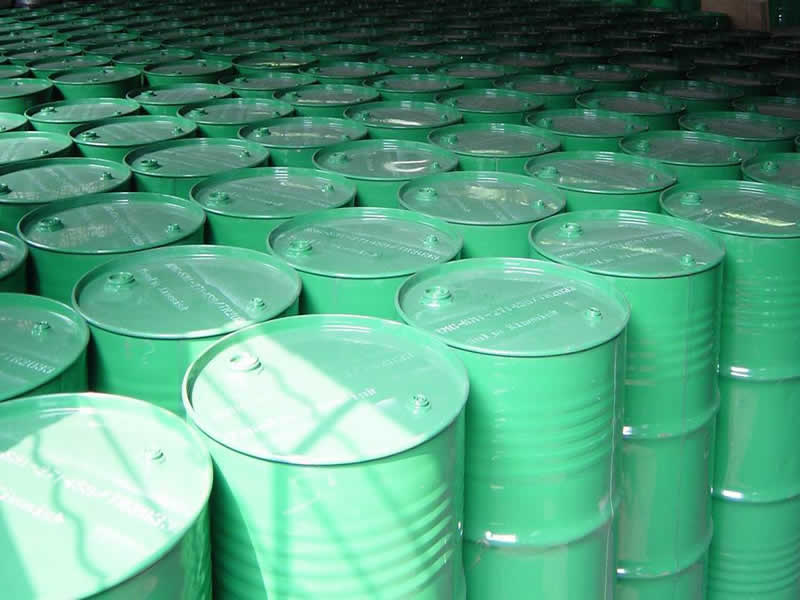
View Complete Details

Rubber Process Paraffinic Oil

From us, global buyers can obtain the Rubber Process Oil in high viscosity and low viscosity, at astoundingly low prices. We are referred as the honorable Exporter and Supplier of the Rubber Process Paraffinic Oil from Austria. This Industrial Oil is processed using the optimum ingredients under the expert supervision at our vendor’s end. Owing to our capacious warehousing facility, we timely tackle every consignment.

Rubber Process Oil ( Low Viscosity )

TEST SPECIFICATION METHODS

Appearance

Clear and bright

visual

Colour ASTM colour units

1.5 <

ASTM D-1500

Density @15 C (g/ml)

0.8 60

ASTM D-4052

Viscosity @40 C ( cSt )

28-32

ASTM D-445

Viscosity @100 C ( cSt )

5-5.5

ASTM D-445

Viscosity index min

>100

ASTM D-2270

Flash Point ( C ) COC

>200

ASTM D-92

Pour Point ( C )

-6

ASTM D-97

Acid number mg KOH/g

0.05

ASTM D-664

Rubber Process Oil ( High viscosity )

TEST

SPECIFICATION

METHODS

Appearance

Clear and bright

visual

Color ASTM color units

6 <

ASTM D-1500

Density @15 C (g/ml)

0.895

ASTM D-4052

Viscosity @40 C ( cSt )

475

ASTM D-445

Viscosity @100 C ( cSt )

30-33

ASTM D-445

Viscosity index min

>95

ASTM D-2270

Flash Point ( C ) COC

>260

ASTM D-92

Pour Point ( C )

-6

ASTM D-97

Acid number mg KOH/g

0.05

ASTM D-664

Aniline point

115-130

ASTM D-611

View Complete Details

Natural Asphalt Bitumen

We are offering Natural Asphalt Bitumen to our valued buyers in both national and international markets. As a trustworthy Exporter and Supplier from Austria, we are committed in providing a top quality product to our buyers. Hence, to ensure that no impurity affects the bitumen, we use high grade materials for packaging Natural Asphalt Bitumen.


Details :
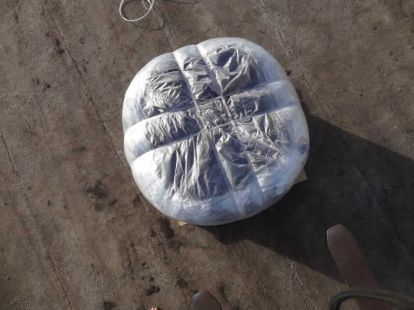
  • Gilsonite (uintaite), Glance Pitch and Graliamite are natural occurring hydrocarbon substances characterized by a high softening point (above 110° C) in the class known as asphaltite. They are mined much like other minerals and sold essentially in their native state. They are fully compatible with asphalt and have long been known as asphalt hardeners and reinforcing agents. Gilsonite is currently sold all over the world as an asphalt modifier in the form of a dry bulk solid granular powder.
  • Gilsonite s benefits to asphalt pavements include increased stability, resistance to deformations problems such as rutting and shoving, resistance to water striping and increased load bearing ability. Gilsonite functions by making the pavements harder, stronger and increases asphalt's adhesion to aggregates.
  • It is generally regarded that Gilsonite reduces pavements' low temperature properties making them susceptible to thermal cracking. Gilsonite melted into hot asphalt will reduce penetration and increase viscosity of the asphalt binder. Gilsonite may also be mixed with aggregate prior to combining with the asphalt binder.
  • Gilsonite modified asphalt pavements have been particularly successfully in highly stressed traffic areas. Gilsonite, as the majority constituent, has been combined with virgin polymers such as styrene - butadiene - styrene (SBS) and Ethyl Vinyl Acetate (EVA). Gilsonite modified asphalt binders generally do not increase asphalt binder content requirement in pavement mixtures.
  • Performance grading of asphalt binders and pavement mixtures became a reality with the conclusion of the, "FHWA" 50 million dollar, Strategic Highway Research Program, "SHRP", in March of 1993. "SHRP" developed new asphalt binder specifications and test criteria based on the engineering properties related to pavement performance. The new emphasis is on low temperature performance of aged binder materials. Low temperature flexibility of aged asphalt binders became significant. Performance Grade "PG, " asphalt is based on the predicted temperature performance both high and low of asphalt binders. Neither Gilsonite nor post vulcanized crumb rubber have performed well under "SHRP" evaluations. "SHRP" specifications will cause increased demand for modified asphalt as state departments of transportation adopt the "PG" specifications.
View Complete Details

Natural Construction Bitumen

Based in Austria, we are an illustrious Exporter and Supplier of Natural Construction Bitumen. Preferred by construction companies the world over, our Natural Bitumen is appreciated for its adhesion strength, pour point and good viscosity. Customers can acquire Natural Construction Bitumen in bulk or retail orders from us at most economical rates.


Details : Asphalt has been the subject of exhaustive study to improve characteristics for use in paving. Various properties of asphalt are manipulated to produce a product that has the appropriate wear properties, rut resistance, fatigue and low temperature cracking resistance, adhesion strength, viscosity and pour point. Rut resistance is resistance to longitudinal surface depressions in the wheel paths. Adhesion strength is the maximum adhesion strength of the joint sealant and the joint reservoir, including but not limited to, between the aggregate and the binder. Shove resistance is resistance to permanent, longitudinal displacement of a localized area of the pavement surface caused by traffic pushing against the pavement. Heavy hydrocarbon that can be derived from, without limitation, natural asphalt (Gilsonite), shale asphalt, bottoms from a solvent deasphalting process, hard asphalt, blown asphalt, stiff refined asphalt, a flux. Asphalt is usually the base ingredient for the primer and the binder. A primer can be asphalt, fibers (including but not limited to, mineral or cellulose), processing agent (including but not limited to, oligiomeric wax, carboxilated, derivative of oligiomeric wax, or low molecular weight polyolefin), polymeric or elastomeric additive, or asphalt-derived. A primer melts to the aggregate. Asphalt binders without polymers are referred to as "neat".

View Complete Details
Tell Us What are you looking for? Will call you back

Contact Us