My ExportersIndia

For Buyer

For Seller

For Help

Our Products

Our Complete range of products are Azospirillum, Azotobacter, bio npk consortium fertilizer, Concentrated Mycorrhizae Powder and Mycorrhizae Granules.

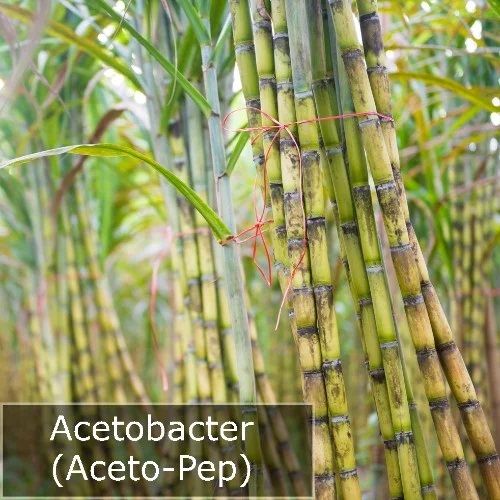
Acetobacter

  • Aerobic/anaerobic Obligatory Aerobic
  • Nitrogen-fixing Yes
  • Growth Hormones Indole Acetic Acid (IAA) And Gibberellic Acid
  • Promotes Root Proliferation, Increase In Rootlets
  • Promotes In Cane Growth And Sugar Recovery
  • Typical Application Agriculture, Specifically In Sugar-producing Crops
  • Specific Application Fixing Atmospheric Nitrogen In Roots, Stems
Acetobacter is an obligatory aerobic, nitrogen-fixing bacteria. It can fix atmospheric nitrogen in the roots, stems, and leaves of sugar-producing crops like sugarcane, sweet potatoes, and others. It is an acid-producing microbe. It produces growth hormones such as Indole Acetic Acid (IAA) and Gibberellic acid, which promote root proliferation and increase the number of rootlets, resulting in phosphate solubilisation and mineral and water uptake. All of these promote cane growth and sugar recovery in the cane.
View Complete Details

Azospirillum

  • Application Nitrogen Fixation (20-40 Kg N/ha), Suitable For All Crops
  • Biologically Active Substances Vitamins, Nicotinic Acid, Indole Acetic Acids, Gibberellins
  • Benefits Enhances Crop Growth, Improves Root Development,
Azospirillum is nitrogen fixing (20- 40 kg N/ha) bio-inoculant and is suitable for all crops except legumes. Apart from nitrogen fixation, Azospirillum synthesizes a considerable amount of biologically active substances viz. vitamins, nicotinic acid, indole acetic acids and gibberellins. These help the crop in better germination, early emergence and better root development. Stimulates growth and imparts stay green character to plants/crop, is a characteristic of a healthy plant/crop.
View Complete Details

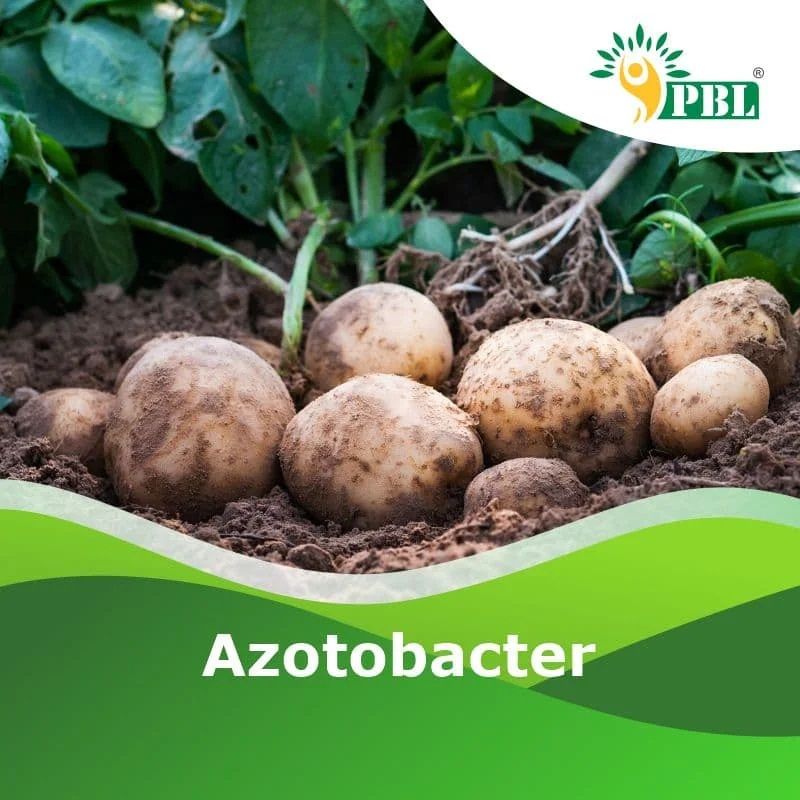
Azotobacter

  • Number Of Flower Bio-Fertilizer
  • Application Enhances Nitrogen In Plants, Promotes Growth
  • State Powder
  • Name Azotobacter
  • Material Talcum Based Powder
  • Active Ingredient Azotobacter
  • Packaging 1.00 Kg
  • Availability Liquid And Powder Forms
Acetobacter by PBL is a specialized formulation of beneficial nitrogen-fixing bacteria (Azotobacter sp.), available in both liquid and powder forms. This product significantly enhances nitrogen in the plant naturally, thereby reducing the dependency on synthetic fertilizers. Acetobacter promotes plant growth by producing vital growth promoters and enhancing root development. It also offers protection against various diseases, improves nutrient uptake, and enriches soil structure for superior water retention and aeration. Active Ingredient: Azotobacter Finished Product Talcum based powdered formulation of Azotobacter. CFU Count NLT 2 x 10⁸ cfu/gm Functional Uses Bio-Fertilizer STD PACKING 1.00 Kg
View Complete Details

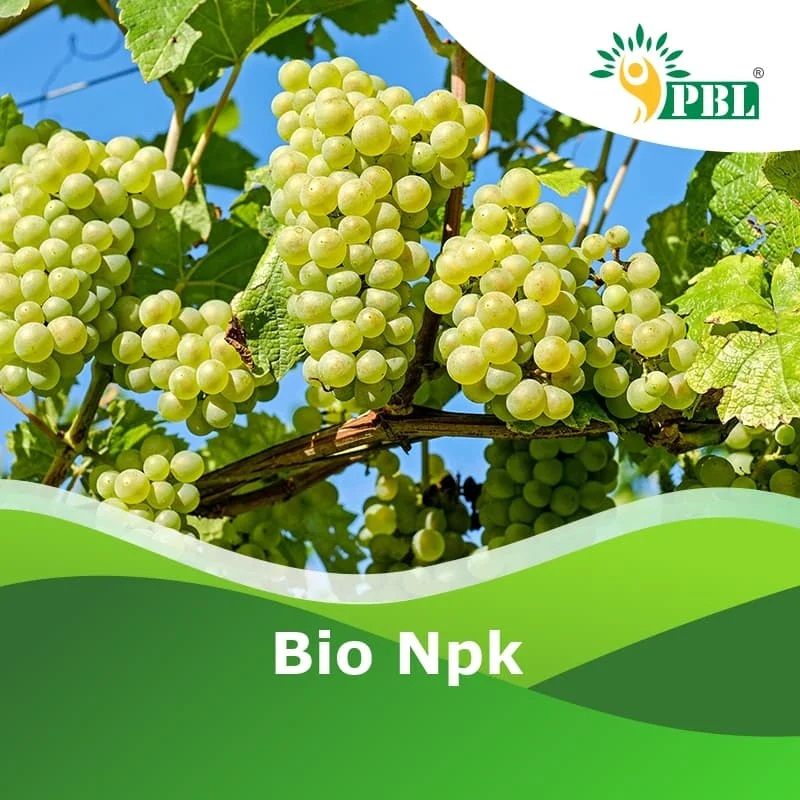
Bio NPK Consortium Fertilizer

  • Material Bentonite
  • Number Of Flower Granular
  • Application Fertilizer Application
  • Functional Uses Bio-Fertilizer
  • Formulation Finished Product
Active Ingredients: Nitrogen-fixing bacteria (NFB); Phosphate solubilizing bacteria (PSB); Potassium solubilizing bacteria (KSB). Finished Product: Bentonite based granular formulation. Functional Uses: Bio-Fertilizer Std. Packing: 1.00 Kg
View Complete Details

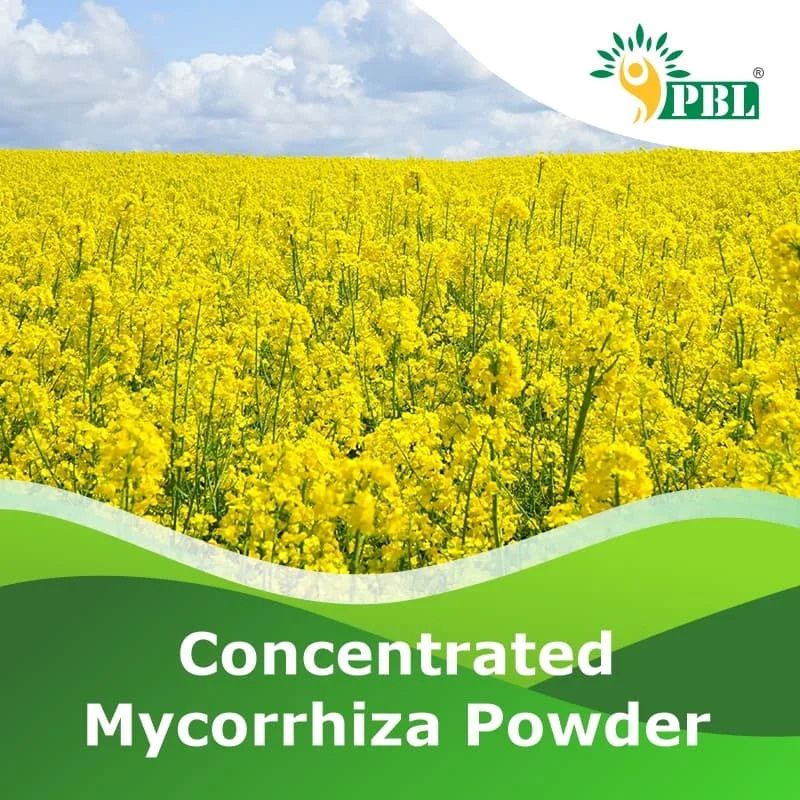
Concentrated Mycorrhizae Powder

  • Number Of Flower Concentrated Soluble Powder
  • Material Vesicular Arbuscular Mycorrhizal Fungi,
  • Application Promotes Seedlings, Cutting, Transplanting
Concentrated Mycorrhizae is a concentrated soluble powder-based formulation of Vesicular Arbuscular Mycorrhizal fungi. It is processed by our professionals using quality-assured Bio chemical compounds with superior quality microbial fungus enriched with large amount of plant growth stimulatory products such as seaweed extract, hydrolyzed protein, humic acid, chelated nutrients. These are examined on predefined quality parameters. Concentrated Mycorrhizae (3500 IP/gm) is an advanced formulation plant supplement that promotes seedlings, cutting, transplanting and direct sown crops. It is non-phytotoxic and used for soil and foliar applications. It can be applied through irrigation, fertigation or different sprayer systems.
View Complete Details

Mycorrhizae Granules
  • Material Vesicular Arbuscular Mycorrhizal (VAM)
  • Packaging Type Granules
  • Usage Phosphate-solubilizing, Nutrient Mobilizing,
  • Benefits Mutually Beneficial Relationship Between Plant And Root Fungus
  • Additional Info Environment-friendly
Mycorrhiza granules are an environment-friendly phosphate-solubilizing and nutrient mobilizing fungal product containing Vesicular Arbuscular Mycorrhizal (VAM) named Ecto and Endo-Mycorrhizae. It defines the mutually beneficial relationship between the plant and the root fungus. It also provides protection to the plants from disease-causing organisms to the roots. It helps in improving soil fertility.
View Complete Details

Phosphate Solubilizing Bacteria

  • Number Of Flower Bio-fertilizer
  • Application Plant Growth-promoting Rhizobacteria
  • Material Micro organisms
  • Benefits Enhances Plant Growth And Nutrient Use Efficiency
  • Key Nutrients Nitrogen (N), Phosphorus (P), Potassium (K)
Phosphate solubilizing bacteria (PSB) is included in one of the effective organisms for plant growth-promoting rhizobacteria (PGPR); which are widely used as Bio-fertilizers for plant growth and nutrient use efficiency. These soil micro-organisms play a significant role in regulating the dynamics of organic matter decomposition and the availability of plant nutrients such as nitrogen (N), phosphorus (P), potassium (K) and other nutrients.
View Complete Details

Potassium Solubilizing Bacteria

  • Number Of Flower Biological Fertilizer
  • Material Bacteria Culture
  • Packaging Typically In Plastic Bags Or Containers
  • Application Improves Potassium Availability In Soil, Agricultural And Horticultural Crops
  • Color Varies
  • Benefit Environmentally Friendly Alternative To Chemical Fertilizers
  • Storage Cool And Dry Place Away From Direct Sunlight
Potassium is an essential nutrient and a major constituent of all living cells. Potassium is naturally present in greater concentrations in soils than any other nutrient. However, a large percentage of the potassium is unavailable to plants. The potassium-solubilizing bacteria can solubilize potassium-containing minerals and convert insoluble potassium to soluble forms of potassium that plants can absorb. Chemical fertilizers have a significant negative impact on the environment. Hence, biological fertilizers containing potassium-solubilizing bacteria could be a viable alternative to chemical fertilizers
View Complete Details

Rhizobium

  • Active Ingredient Rhizobium
  • Material Talcum Based
  • CFU Count NLT 2 X 10^8 Cfu/gm
  • Functional Uses Bio-Fertilizer For Legume And Oil Producing Crops
  • Packaging 1.00 Kg
  • Usage Fixes Atmospheric Nitrogen To 20-40 Kg Per Hectare,
Active Ingredient: Rhizobium Finished Product Talcum based powdered formulation of Rhizobium CFU Count NLT 2 x 10⁸ cfu/gm Functional Uses Bio-Fertilizer STD PACKING 1.00 Kg Rhizobium is use full in legume and oil producing crops viz. pigeon pea, pea, chickpea, soybean, ground nut etc. Rhizobium fixes atmospheric nitrogen to the level of 20-40 kg per hectare and thereby helps to reduce the amount of synthetic fertilizer usage. Rhizobium improves the plant vigor and health and ultimately increase crop yield. Rhizobium to improve the soil health.
View Complete Details

Bacillus Subtilis

  • Application Hinders Spore Germination In Plant Pathogens, Agriculture
  • Material Bacillus Subtilis
  • SuitableFor Soil Borne Fungal Diseases, Leaves And Fruit Diseases
  • Benefits Provides Healthy Growth To The Plant And Root
Bacillus subtilis is a bio fungicide and Plant growth promoting rhizobacteria (PGPR), which colonizes on roots and protects the root system of the plant. It hinders spore germination in plant pathogens and prevents pathogens from attaching to the plant, outcompeting other soil microbes making it exceptional for soil borne fungal diseases and on leaves and fruit diseases. It enhances the N2 fixation, solubilizes the soil phosphorus, produces siderophores having biocontrol potential (promote plant growth & suppress pathogen growth). Help plants to produce secondary metabolites, regulate intracellular phytohormone and increase plant stress tolerance. Provide healthy growth to the plant and root.
View Complete Details

Pseudomonas Fluorescens

  • Application Bio-fungicide
  • Shelf Life Typical Industry Standards
  • Type Bio-fungicide
  • Material Talcum Based Powdered Formulation
  • Active Ingredient Pseudomonas Fluorescens
  • CFU Count NLT 1 X 10^8 Cfu/gm
  • Storage Typical Industry Standards
Active Ingredient: Pseudomonas fluorescens Finished Product: Talcum based powdered formulation of Pseudomonas fluorescens CFU Count: NLT 1 x 10⁸ cfu/gm Functional Uses: Bio-fungicide
View Complete Details

Trichoderma Harzianum 1% Wp

  • Material Trichoderma Harzianum 1% Wp
  • Usage Paddy, Maize, Rice, Pulses, Vegetable Crops, Oil Seeds
  • Target Pathogens Pythium Aphanidermatum, Rhizoctonia Solani,
It has a wide range of activity and used in paddy, maize, rice, pulses, vegetable crops, oil seeds, cotton, ginger, turmeric, cardamom, tea, coffee and fruits crop etc. Target Pathogen Pythium aphanidermatum Rhizoctonia solani Fusarium oxysporum Sclerotinia rolfsii Macrophomina phaseolina Cephalosporium spp. Sclerotium Rolfsii, Phytophthora infestans Meloidogyne incognita (root knot-nematodes)
View Complete Details

Trichoderma Viride Bio Fungicides

  • Number Of Flower Bio-fungicide
  • Application Protection Against Soil-borne/seed-borne Pathogens
  • Material Trichoderma Viride
It is an eco-friendly bio-fungicide. It gives protection against a number of soil-borne / seed borne pathogens to crop in nursery beds and as well in field by action of myco-parasitism and antibiosis. It decomposes raw organic farm wastes, solubilizes soil phosphorus, reclaims adverse soils, promotes plant growth and protects soil eco-system. It increases the plants growth & vigour as well as built resistance in plants to drought and diseases. It is compatible with organic manures and bio-fertilizers.
View Complete Details

Soluble Silica WITH Potassium

  • Usage/Application Controls Fungal Diseases, Root-knot
  • Type Plant Nutrient Supplement
  • Material Silica, Potassium
  • Seasonality Applicable In Any Season
  • Compatibility Ideal Fit For Integrated Pest Management (IPM)
  • Safety Safe For Plants And Beneficial Arthropods
Applicable in any season or when the plant requires the potassium ion. Controls fungal disease; it initiates less fungal colonization sites. Ideal fit for Integrated Pest Management (IPM) because of its activity against fungi, spider mites, and mall piercing-sucking insects. Control root-knot and sting nematodes. Safe on beneficial arthropods and safe for the plant. Protect the plants from Botrytis (Grey Mold) and Powdery Mildew (PM). Suppresses spider miles, whiteflies, and insects. Decreases climate stress on crops and improve the quality of crops. Provides resistance to mineral stress. Improves photosynthesis and raises brixin all plants for fruit ripening which removes mineral eficiencies. Improves plant growth, increase the yield and quality. Reduce the lodging, decreased plant palatability. Enhances reproduction by improving pollination and increasing pollen fertility. Improves plant growth, lifting yield and quality.
View Complete Details

Soluble Sulphur

  • Material Methyl Sulfonyl Methane (MSM)
  • Contains Sulphur
  • Benefit Enhanced Nutrient Uptake And Utilization
Methyl sulfonyl methane (MSM) is an agricultural product commonly used as a soil amendment to improve soil conditions and support plant health. It is a naturally occurring compound that contains Sulphur, which plays a vital role in various plant processes. When applied to the soil, MSM helps improve nutrient availability by increasing the solubility and mobility of essential minerals, making them more accessible to plant roots. This enhances nutrient uptake and utilization, leading to improved plant nutrition and overall growth.
View Complete Details

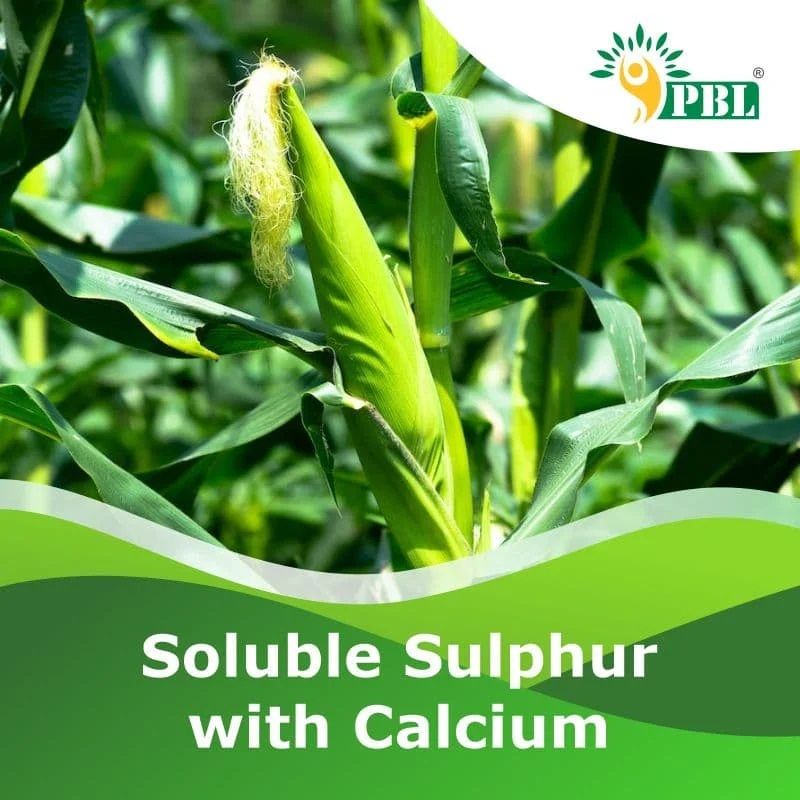
Soluble Sulphur WITH Calcium

  • Material Soluble Sulphur, Calcium
  • Packaging Type Clear
  • Application Fruits, Vegetables, Cereals, Soya, Maize
  • Application Methods Drip, Spray, Sprinkler, Flood Irrigation, Broadcast
  • Benefits Improves Calcium And Sulphur Deficiencies
Soluble Sulphur with Calcium is clear liquid with 6% Calcium and 10% Sulphur soluble. It shows significant result in Fruits, Vegetables, Cereals, Soya & Maize. It can be applied by pin drip, spray, sprinkler, flood irrigation, surface broadcast, banded or watered in. It can be used as Liquid Gypsum to improve Calcium and Sulphur deficiencies. It reduces ammonia from urea
View Complete Details

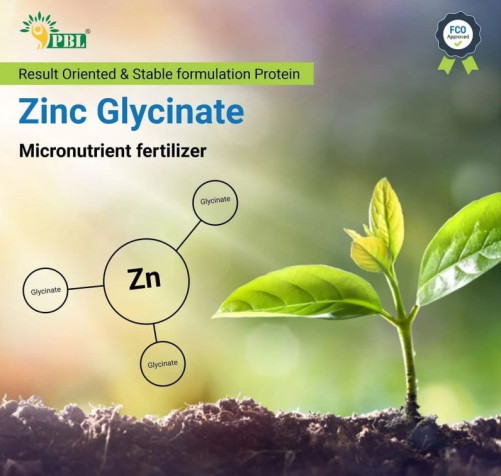
Zinc Glycinate Liquid Fertilizer

  • Usage/Application Foliar Application, Agricultural Use
  • Packaging Type Typically Comes In Plastic Bottles Or Containers
  • Type Liquid Fertilizer
  • Material Zinc Glycinate, Glycine
  • Advantage Glycine Protects Minerals
  • Formulation Liquid Form
Zinc Glycinate are glycine minerals specifically used for foliar application. The advantage of using glycine minerals is that the glycine surrounds and protects the minerals from adverse interactions. These interactions can take place in a solution, in the soil or on the surface of the leaf.
View Complete Details

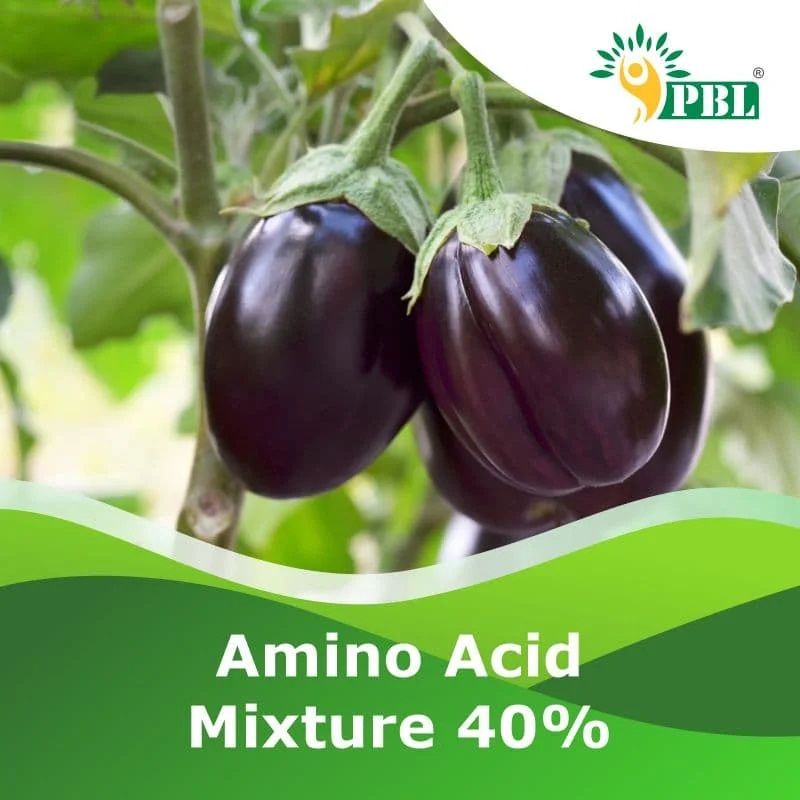
Amino Acid Mixture 40%

  • Number Of Flower Liquid Formulation
  • Name Amino Acid Mixture 40%
  • Material Plant Material
  • Concentration 40%
  • Usage Replace Relatively Insoluble Nitrogen Sources,
  • Production Method Controlled Enzymatic Hydrolysis
  • Particle Size Microfine
  • Amino Acid Form L-amino Acid Form
Nitrogen is essential for chlorophyll biosynthesis, photosynthesis, and crop yield. Amino Acid Mixture 40% is a free-flowing liquid formulation designed to replace relatively insoluble nitrogen sources. Amino Acid Mixture 40% is a highly concentrated source of nitrogen that is rich in amino acids and can directly meet the crops nitrogen demand. It is produced through the controlled enzymatic hydrolysis of plant material and is filtered to a microfine particle size. The process has no effect on the ratio of L-amino acid form, which is a highly available form quickly recognised by the roots for rapid absorption. L-amino acids are directly accepted by the plant protein synthesis mechanism and processed into proteins by plant cells, thus bypassing the nitrate to ammonium step in nitrogen metabolism. This step conserves energy, which is then redirected to other metabolic processes in order to increase yield.
View Complete Details

Amino Acid MIXTURE-50%

  • Crop Dosage
  • Field Crops and Vegetables 100-200 gm in 200 ltr water per acre during periods of rapid growth or nutritional stress.
  • Tree Crops 200-400 gm in 200 ltr water per acre after the beginning of active growth.
  • Grapes and Berries 100-200 gm in 200 ltr water per acre after active growth begins.
  • Turf 150-200 gm in 200 ltr water per acre.
Amino acids are the molecules that form the structural units of proteins and contain an amino group (NH2), an acidic carboxyl group (COOH), and an organic R group (or side chain) that is unique to each amino acid. While there are hundreds of naturally occurring amino acids, only a core set of 20 comprises the standard genetic code used in protein translation. Amino acid mixtures are readily absorbed, transported, and utilized as a source of nitrogen and carbon for plants. It saves the energy expended by the plant to reduce organic matter, synthetic nitrates and ammonia into amino acids and functions as a bio-stimulant for the plants.
View Complete Details

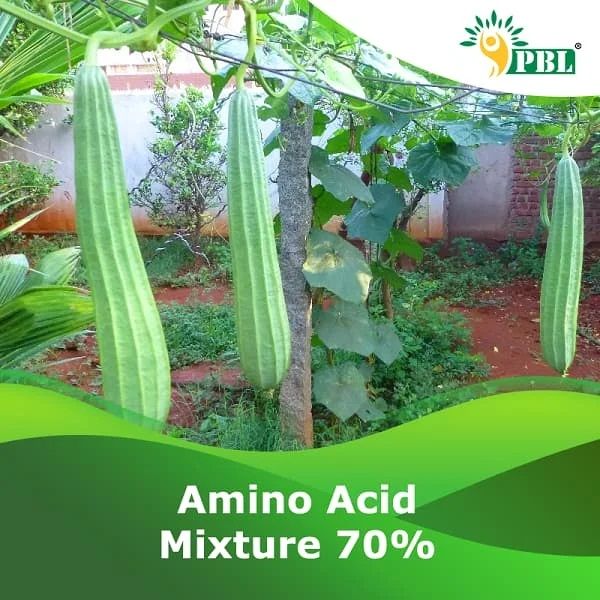
Amino Acid MIXTURE-70%

  • Packaging Type Clear
  • Packaging Type Bottles
  • Material Amino Acids
  • Usage Plant Bio-stimulant
  • Concentration 70%
  • Source Natural
Amino acids are the molecules that form the structural units of proteins and contain an amino group (NH2), an acidic carboxyl group (COOH), and an organic R group (or side chain) that is unique to each amino acid. While there are hundreds of naturally occurring amino acids, only a core set of 20 comprises the standard genetic code used in protein translation. Amino acid mixtures are readily absorbed, transported, and utilized as a source of nitrogen and carbon for plants. It saves the energy expended by the plant to reduce organic matter, synthetic nitrates and ammonia into amino acids and functions as a bio-stimulant for the plants.
View Complete Details

Amino Acid MIXTURE-80%

  • Packaging Type Plastic Packets
  • Number Of Flower Amino Acid Mixture
  • Usage Source Of Nitrogen And Carbon For Plants, Bio-stimulant
Amino acids are the molecules that form the structural units of proteins and contain an amino group (NH2), an acidic carboxyl group (COOH), and an organic R group (or side chain) that is unique to each amino acid. While there are hundreds of naturally occurring amino acids, only a core set of 20 comprises the standard genetic code used in protein translation. Amino acid mixtures are readily absorbed, transported, and utilized as a source of nitrogen and carbon for plants. It saves the energy expended by the plant to reduce organic matter, synthetic nitrates and ammonia into amino acids and functions as a bio-stimulant for the plants.
View Complete Details

Aminofert Gold Organic Plant

  • Material Protein-based Nitrogen, Peptides, Amino Acids
  • Weight 80 Grams
  • Usage/Application Improves Mineral Transportation,
  • Special Feature Highly Soluble Nitrogen, No Tip Burn,
  • Handling Requirements No Special Equipment Needed
80 grams of readily available protein-based nitrogen for plant per 100 gm. No tip burn as customary with synthetic nitrates or ammonia N sources. Supplies organic plant nitrogen, peptides, and amino acids. Highly improves the transportation of minerals. Natural product with no environmental impact. Handling does not require special equipment or gear. Enzyme hydrolysis produces a smaller particle size giving Aminofert Gold its highly soluble nitrogen.
View Complete Details

Aminofert Hn High Nitrogen

  • Usage/Application Ideal For Nitrogen Deficient Crops, Slow Releasing
  • Nitrogen Content Minimum 13%
  • Amino Acid Content Minimum 80%
  • Assimilation Easily Assimilates
Aminofert HN is a water soluble powder which is produced enzymatically from Non-GMO natural sources of protein. A minimum of 13% nitrogen & carbohydrates & 80% of amino acid content are present in formulation. The entire package not only does easily assimilates but is very ideal for nitrogen deficient crops. It is slow releasing but completely soluble in water.
View Complete Details

Boron Amino Acid Chelate 12%

  • Application Foliar Application On Plants To Prevent Or Correct Nutrient Deficiency
  • Boron Content 12%
  • Calcium Content 12%
  • Amino Acids Content 30%
  • Solubility Soluble In Water
Aminofert-Boron Boron Amino Acid Chelated Powder is prepared for foliar application on plants to prevent or correct nutrient deficiency that may limit crop growth and yield. It is non-toxic to plants when applied. For best results, apply Aminofert-Boron soluble powder as per recommendation based on plant tissue or soil analysis. It is approved for organic production. Aminofert-Boron (Boron Amino Acid Chelated Powder) contains 12% as calcium and 30% amino acids (as protein hydrolysed). Aminofert-Boron (Boron Amino Acid Chelated Powder) is off white to creamish color free flowing powder, soluble in water and clear solution.
View Complete Details

Calcium Amino Acid Chelate 12%

  • Number Of Flower Powder
  • Packaging Type Soluble Powder Form
  • Application Foliar Application On Plants To Prevent Or Correct Nutrient Deficiency
  • Name Calcium Amino Acid Chelate 12%
  • Material Amino Acid Chelate
Aminofert-Calcium Calcium Amino Acid Chelated Powder is prepared for foliar application on plants to prevent or correct nutrient deficiency that may limit crop growth and yield. It is non-toxic to plants when applied. For best results, apply Aminofert-Calcium soluble powder as per recommendation based on plant tissue or soil analysis. It is approved for organic production.
View Complete Details

Calcium Boron Amino Acid Chelate 6:1

  • Application Foliar Application On Plants To Prevent Nutrient Deficiency
  • Material Amino Acid Chelate
  • Toxicity Non-toxic To Plants
Aminofert-Calcium Boron Calcium Boron Amino Acid Chelated Powder is prepared for foliar application on plants to prevent or correct nutrient deficiency that may limit crop growth and yield. It is non-toxic to plants when applied. For best results, apply Aminofert-Calcium Boron soluble powder as per recommendation based on plant tissue or soil analysis. It is approved for organic production.
View Complete Details

Amino Acid Boron Zinc Calcium Liquid Fertilizer

  • Number Of Flower Liquid Fertilizer
  • Packaging Type Bottles
  • Application Prevent Or Correct Amino Acid, Boron, And Zinc Deficiency In Plants
  • Material Amino Acid, Boron, Zinc, Calcium
  • Benefits Improves Photosynthesis, Increases Yield
The liquid formulation is designed for all plants to prevent or correct amino acid, boron, and zinc deficiency which limit crop growth and yield. This mixture can be quickly absorbed by the leaves and transferred to the plant tissue. It aimed to improve the photosynthesis level of crops, thus increasing yield, and enhancing their ability to adapt the climate change.
View Complete Details

Ammonium Molybdate 52%

  • Number Of Flower Fertilizer
  • Application Corrects Molybdenum Deficiency In Plants, Promotes Faster And Healthier Plant Growth, Increases Crop Yield
  • Name Ammonium Molybdate 52%
  • Material Ammonium Molybdate
Our Ammonium Molybdate Fertilizer is a completely water-soluble fertilizer designed to correct molybdenum deficiency in plants. Molybdenum is a crucial nutrient for plant growth, promoting faster, healthier development and ensuring increased crop yield. This fertilizer provides an effective solution to improve plant health across a wide variety of crops.
View Complete Details

Boron Glycinate

  • Usage Plant Development, Growth, Crop Yielding, Seed Development
  • Name Boron Glycinate
  • Type Plant Nutrient Supplement
  • Material Boron, Glycine
Boron is necessary for plant development, growth, crop yielding, and seed development because it aids in the transfer of water and nutrition in plants. It is necessary for the balance of sugar and starch and plays a role in the movement of sugar and carbohydrates. It is important for pollination and seed production. This formulation is glycine-chelated and contains boron.
View Complete Details

Borax Fertilizer

  • Usage/Application Promotes Plant Growth, Cell Formation, Pollen Germination
  • Material Boron
  • Crop Yield Higher Crop Yields
Borax Fertilizer is a micronutrient fertilizer that contains 10.5% Boron. Boron is an essential element for plant growth, particularly in the formation and division of cells. It plays a vital role in pollen germination, flowering, and fruiting processes, leading to better seed and fruit set, ultimately resulting in higher crop yields.
View Complete Details

Boric Acid 17%

  • Packaging Type Typically Available In Bags Or Containers
  • Type Fertilizer
  • Material Boric Acid
Boron Fertilizer is a key micronutrient that significantly enhances crop yields by improving photosynthetic activity and various plant growth parameters. Boron is crucial for seed germination, cell wall formation, and pollen production, all of which play vital roles in producing high-quality and flavorful fruits.
View Complete Details

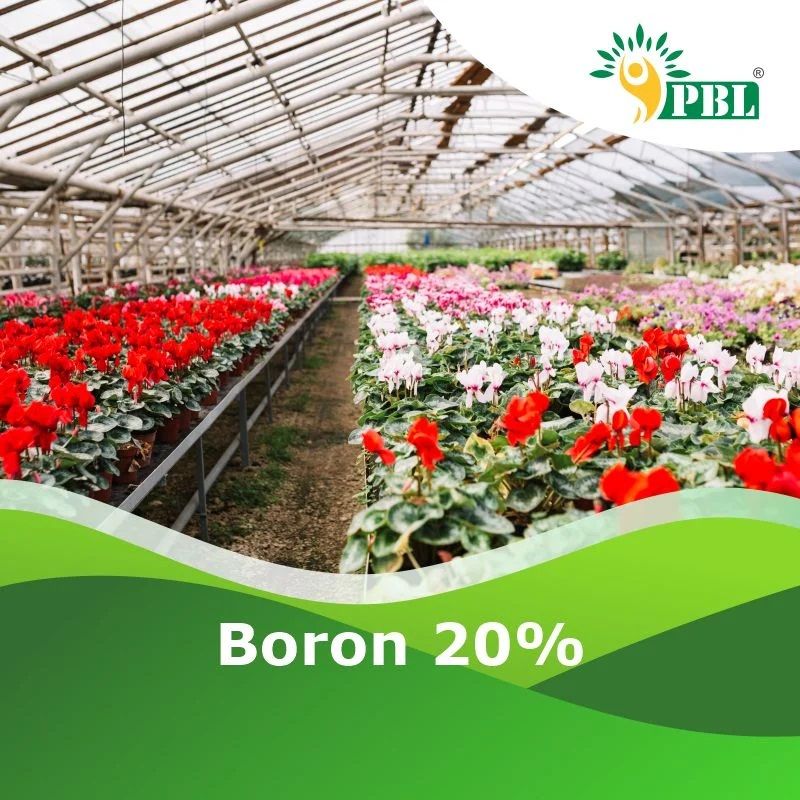
Boron 20%

  • Number Of Flower Micronutrient Fertilizer
  • Material Boron
  • Packaging Type Typical Packaging For Fertilizers
  • Application Correct Boron Deficiencies In Soils And Crops
Boron is a vital micronutrient fertilizer formulated to correct boron deficiencies in soils and crops. It plays a critical role in the formation and strengthening of cell walls, supports key metabolic processes, and is essential for the healthy growth and development of plants. This nutrient is especially crucial for enhancing the quality of fruits by improving taste, color, and preventing issues like fruit cracking.
View Complete Details

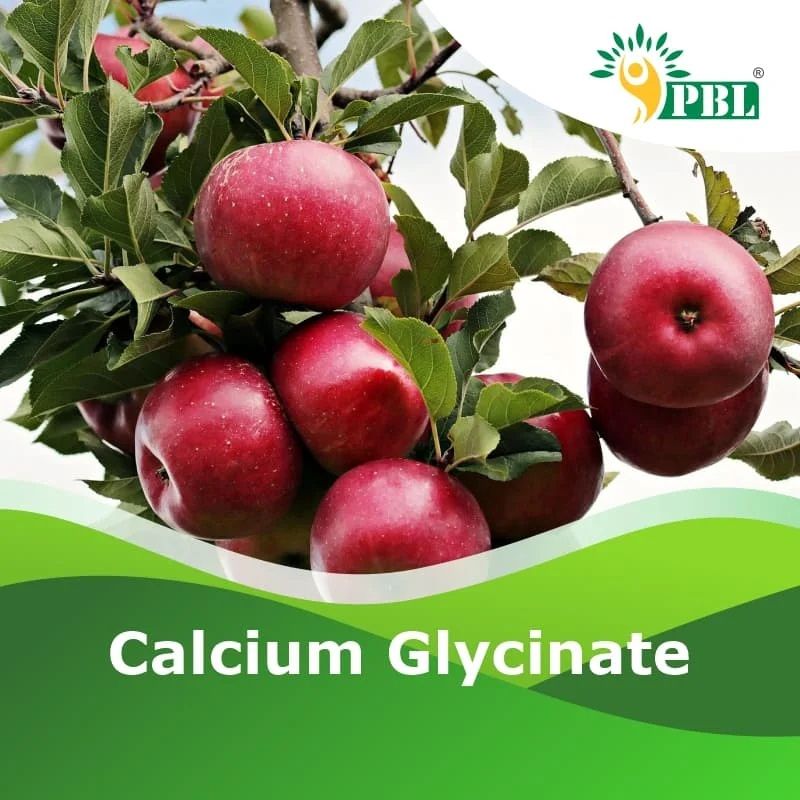
Calcium Glycinate

  • Number Of Flower Micronutrient Fertilizer
  • Usage/Application Enhance Plant Growth And Development
  • Formulation Specialized Formulation
  • Source Readily Available Source Of Calcium
  • Nutrient Uptake Improved Nutrient Uptake And Utilization
Calcium glycinate is a chemical compound that consists of calcium bound to the amino acid glycine. Calcium Glycinate Micronutrient Fertilizer is a specialized formulation designed to enhance plant growth and development by providing a readily available source of calcium, an essential micronutrient. With the unique combination of calcium and glycine, this fertilizer offers improved nutrient uptake and utilization, promoting healthier and more robust plants.
View Complete Details

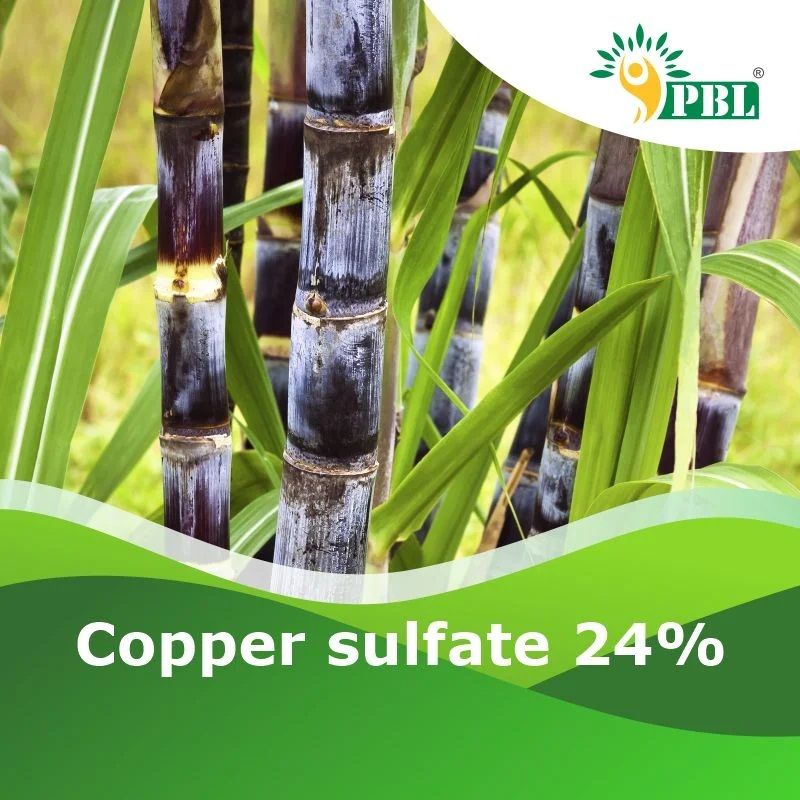
Copper Sulfate 24%

  • Packaging Type Typically Available In Bags Or Containers
  • Usage/Application Supports Various Physiological Processes In Plant
  • Type Fertilizer
Copper Sulfate is a vital micronutrient fertilizer that supports various physiological processes in plants, including enzyme activation and electron transport. It helps address copper deficiencies, promotes healthy growth, and acts as an effective fungicide by inhibiting the growth of harmful pathogens.
View Complete Details

Ferrous Sulfate 19%

  • Material Ferrous Sulfate
  • Benefits Promotes Chlorophyll Synthesis, Enhances Plant Function
  • Packaging Typically Available In Bags Or Containers
This micronutrient fertilizer is a vital solution for promoting chlorophyll synthesis and enhancing plant function. Not only does it aid in photosynthesis and various metabolic processes, but it also acts as an effective soil conditioner by lowering the pH of high alkaline soils, which helps improve the absorption of other essential nutrients.
View Complete Details

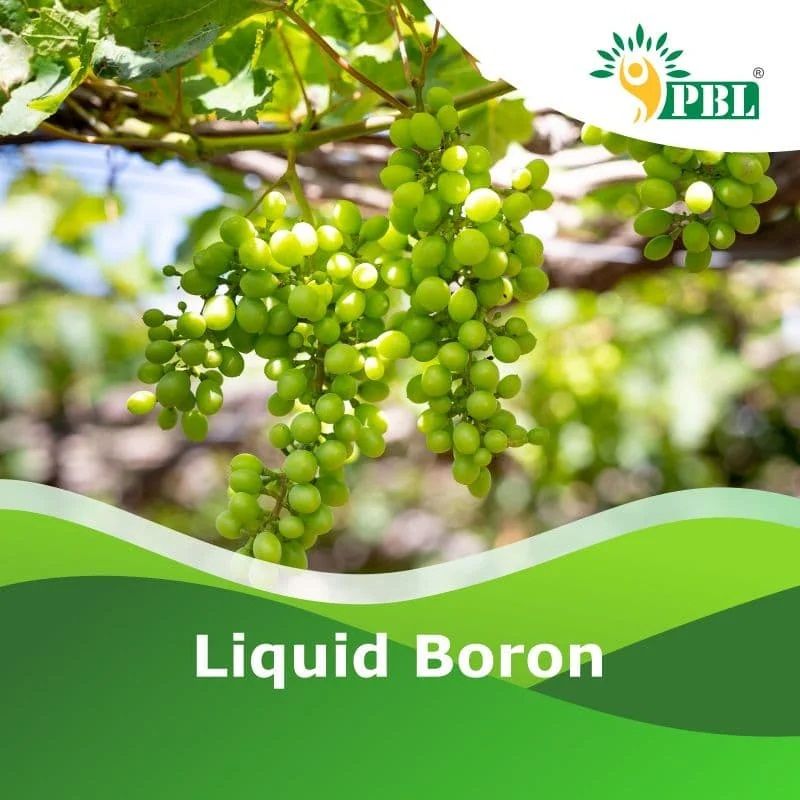
Liquid Boron

  • Application Foliar Application For Crops Requiring Additional Boron
  • Solubility Water Soluble
  • Absorption Easily Assimilated & Absorbed By Crops
  • Benefits Enhances Vine Growth, Number Of Fruits, Fruit Size
  • Crop Type Vegetable Crops
Boron 11% is a liquid micronutrient fertilizer for the crops that has requirement for additional boron. Boron 11% is water soluble which gets easily assimilated & absorbed by crops by the foliar application. Foliar application of boron is useful to enhance the vine growth, number of fruits, fruit size and yield of many cucurbitaceous crops (vegetable crops)
View Complete Details

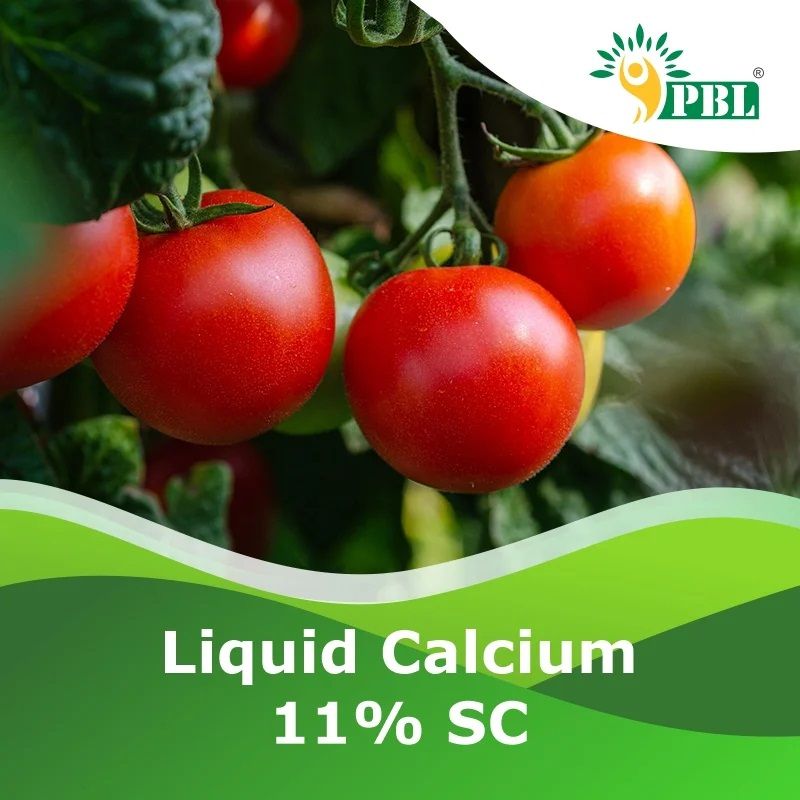
Liquid Calcium 11% Sc

  • Usage Flowering Stage Application
  • Material Calcium
  • Benefits Promotes Fruit Set, Increases Fruit Yields
Calcium 11% SC is a highly concentrated micronutrient liquid which allows higher calcium input to be available to the plant. Calcium 11% Liquid is applied during flowering stage and it stimulates internal chemical pathways which promote fruit set, resulting in increased fruit yields. The application of this micronutrient liquid makes the cell wall strong, which increases plant resistance to pests & disease. The product is specially formulated to provide maximum crop safety.
View Complete Details

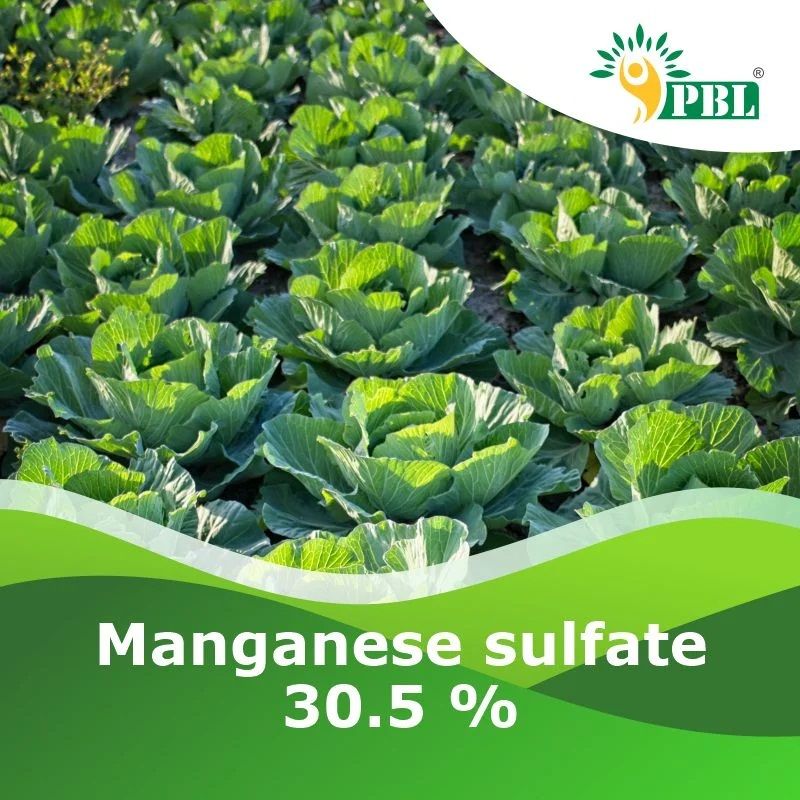
Manganese Sulfate 30.5 %

  • Number Of Flower Micronutrient Fertilizer
  • Material Manganese Sulfate
  • Solubility Highly Water-soluble
  • Nutrients Manganese, Sulfur
  • Plant Usage Promotes Healthy Growth And Development
Manganese Sulphate 30.5% is a highly effective, water-soluble source of manganese and sulfur, two crucial nutrients that plants need for healthy growth and development. This micronutrient is essential for a wide range of crops and plays a significant role in various physiological processes, ensuring optimal crop yield and quality.
View Complete Details

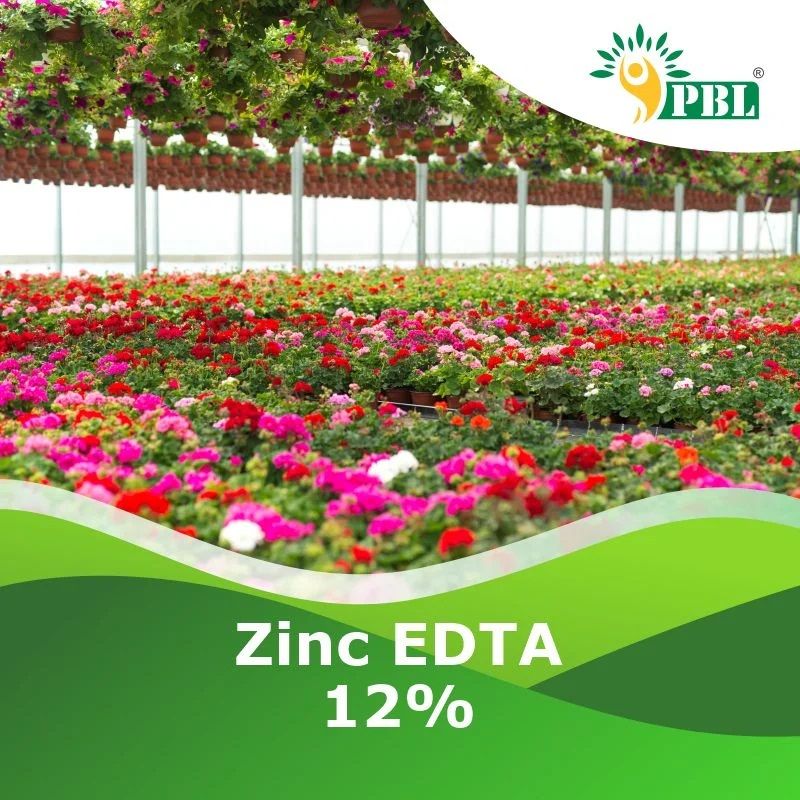
Zinc EDTA 12%

  • Material Zinc Chelated With EDTA
  • Packaging Typically Available In Liquid Or Powder Form
  • Usage Designed For Enhancing Healthy Growth
  • Absorption Chelated Form Ensures Effective Absorption
  • Benefits Addresses Zinc Deficiency In Plants
Our premium Micronutrient Fertilizer is specifically formulated to deliver Zinc in a chelated form, ensuring effective absorption and addressing zinc deficiency in plants. It is designed to enhance healthy growth and improve crop yield across various plant types, including vegetables, fruits, and floriculture.
View Complete Details

Zinc Oxide 39.5% Sc

  • Number Of Flower Liquid Suspension Concentrate
  • Application Foliar Application
  • Material Zinc Oxide
  • Compatibility Can Be Mixed With Agrochemicals
  • Benefits Promotes Nitrogen Metabolism
  • Dosage Low
  • Nutrition Improves Zinc Nutrition
Requires very low dosage with better zinc nutrition. + Nanoparticles supports rapid absorption. + It can be used mixed tank with agrochemicals. + Promotes nitrogen metabolism and produces protein and starch. + Boosts chloroplast & enzyme production.
View Complete Details

Zinc Sulfate 21%

  • Number Of Flower Fertilizer
  • Material Zinc Sulfate
  • Uses For All Crops To Ensure Proper Metabolic Processes, Correct Deficiencies
  • Name Zinc Sulfate 21%
  • Solubility Water-soluble
Zinc Sulfate 21% is a water-soluble, transparent, and colorless crystalline compound. It is an essential micronutrient for all crops, containing both zinc and sulfur, which are vital for healthy plant growth. Zinc deficiency in soil can lead to stunted growth, poor yield, and, in severe cases, can kill crops. This product helps correct zinc deficiencies and promotes better crop health and yield. Zinc Sulfate: Ensures the proper metabolic processes in plants, forming tetrahedral complexes with nitrogen, oxygen, and sulfur. Sulfur: Also essential for plant growth, aiding in the synthesis of amino acids and proteins.
View Complete Details

Zinc Sulfate 33%

  • Number Of Flower Chemical Fertilizer
  • Material Zinc Sulfate
  • Name Zinc Sulfate 33%
  • Application Methods Foliar Sprays, Soil Drenches
  • Benefits Plays Vital Role In Plant Metabolism, Prevents Zinc Deficiency
Zinc Sulfate 33% is a chemical fertilizer formulated to correct zinc deficiencies in plants. It serves as an effective source of zinc and can be applied through both foliar sprays and soil drenches. When applied to soil, Zinc Sulfate 33% gradually releases zinc, ensuring steady availability for plant roots. This helps in promoting healthy growth and improving overall crop yield. Zinc Sulfate: Plays a vital role in plant metabolism by forming tetrahedral complexes with nitrogen, oxygen, and sulfur, which are essential for plant growth. Prevents Zinc Deficiency: A lack of zinc in the soil leads to stunted growth, poor yields, and, in severe cases, crop death.
View Complete Details

Azadirachtin

  • Application Used In Formulations Of Neem Based Bio-pesticides
  • Number Of Flower Insecticidal Compound
  • Material Extracted From Neem Seeds
  • Properties Insect Repellant, Antifeedant, Insect Growth Regulator
  • Effectiveness Broad Spectrum Bio-pesticide
  • Source Neem Seeds
Azadirachtin, a substance extracted from neem seeds, is the primary insecticidal compound found in neem oil. Azadirachtin (Technical) is used as the basic raw material in the formulations of Neem based bio-pesticides, herbal preparations and plant care products. Azadirachtin based pesticides are one of the most effective broad spectrum bio-pesticides. Azadirachtin together with other constituents of Neem seeds exhibits insect repellant, antifeedant and insect growth regulator properties.
View Complete Details

Azadirachtin – 3% (30000 Ppm)

  • Number Of Flower Botanical Insecticide
  • Material Azadirachtin Derived From Neem Tree (Azadirachta Indica)
  • Insect Growth Regulator Acts As An Insect Growth Regulator
  • Effective Against Chewing And Sucking Insects Such As Aphids, Whiteflies, Caterpillars
Azadirachtin 3% EC is a botanical insecticide derived from the neem tree (Azadirachta indica). It has potent insecticidal properties and acts as an insect growth regulator, disrupting the development and reproduction of various insect pests. It is particularly effective against chewing and sucking insects, including aphids, whiteflies, caterpillars, thrips, mites, and many others.
View Complete Details

Azadirachtin Pesticide

  • Number Of Flower Botanical Insecticide
  • Packaging Type Typically Available In Liquid Form In Various Sized Containers
  • Application Effective For Agricultural And Horticultural Pest Control
  • Insecticidal Properties Potent Insecticidal Properties
Azadirachtin 1.2% EC is a botanical insecticide derived from the neem tree (Azadirachta indica). It has potent insecticidal properties and acts as an insect growth regulator, disrupting the development and reproduction of various insect pests. It is particularly effective against chewing and sucking insects, including aphids, whiteflies, caterpillars, thrips, mites, and many others.
View Complete Details

Bacillus Thuringiensis

  • Application Control Of Insect Pests In Agriculture
  • Packaging Type Typically In Powder Or Liquid Form, Typically Sold In Powder Or Liquid Form
  • Number Of Flower Bacteria
  • Packaging Type Varies
  • Name Bacillus Thuringiensis
  • Toxicity Toxic To Specific Insect Pests, Not Toxic To All Mammals
Bacillus thuringiensis (Bt) is a species of bacteria that lives in soil. Bacillus thuringiensis is widely used in agriculture for the control of insect pests. The bacterium produces an endotoxin which is found in a crystalline inclusion. In addition to the toxic factor, other proteins are involved in invasion of the host and blocking the hosts immune defences. The proteins are not toxic to all mammals; it cannot get activated in the mammalian system
View Complete Details

Beauveria Bassiana

  • Packaging Typically Comes In Powder Form
  • Application Effective Against Sap-sucking Insects Like Whiteflies,
  • Material Fungi
  • Mode Of Action Spores Germinate On Contact With Target Pest,
  • Favorable Conditions Warm & Humid Weather
Beauveria Bassiana a unique biological insecticide, it is a naturally occurring fungi that is found in the soil. B.bassiana is an entomopathogenic fungus that causes a white muscadine disease on a range of sap sucking insects like whiteflies, aphids, thrips etc. B.bassiana spores, on coming in contact with a target pest, rapidly germinates and grows into the inside of the insect through the spiracle present in the cuticle. The fungus then proliferates throughout the insects body, producing toxins and draining all of the nutrients that eventually causes the death of the insect. The activity of the fungi is favored by warm & humid weather. Speed of killing depends on the number of spores contacting the insect, insects age, susceptibility and environmental conditions.
View Complete Details

Metarhizium Anisopliae

  • Packaging Type Typically Comes In Powder Form In Sealed Containers
  • Material Entomopathogenic Fungus
  • Application Used For Controlling Insects Like Bugs, Weevils
  • Speed Of Kill Depends On Spore Contact, Insect's Age,
Metarhizium anisopliae is a unique biological insecticide. Metarhizium anisopliae is an entomopathogenic fungus that causes muscardine disease on a range of insects like different bugs, weevils and hoppers. When spores of M.anisopliae come in contact with a hosts cuticle by any means, the fungus rapidly grows and proliferates inside the insect. Once inside the body, it produces toxins that initiate protein degradation. The insect eventually dies as a result of chemical, mechanical, water loss & nutrient loss effects. Speed of kill depends on the number of spores contacting the insect, insects age, susceptibility and environmental conditions.
View Complete Details

Paecilomyces Lilacinus

  • Packaging Type Typical Packaging
  • Application Nematicide For Controlling Nematodes Attacking Plant Roots
  • Number Of Flower Fungus
  • Material Naturally Occurring Fungus Found In Soils
  • Targeted Nematodes Root Knot Nematodes, Burrowing Nematodes,
  • Restrictions Follow Recommended Application Guidelines
Paecilomyces lilacinus controls the economically important nematodes like root knot nematodes, burrowing nematodes, cyst nematodes, lesion nematodes etc. among a wide range of crops. Paecilomyces lilacinus is a naturally occurring fungus found in soils used as a nematicide is applied to soil to control nematodes that attack plant roots. Paecilomyces lilacinus acts against plant root nematodes by infecting eggs, juveniles, and adult females.
View Complete Details

Verticillium Chlamydosporium 1% Wp

  • Material Beneficial Microorganisms
  • Packaging Type Wettable Powder
  • Usage Safeguard Crops From Harmful Nematodes
  • Eco-friendly Yes
Verticillium chlamydosporium 1% WP is a natural and eco-friendly Bio-Insecticide/ Bio- Nematicide specifically designed to safeguard crops from harmful nematodes. Infused with beneficial microorganisms, it provides a targeted and efficient control method, ensuring nematode populations are suppressed while preserving other beneficial insects in the ecosystem. This product offers a safe and sustainable solution for integrated pest management. Easy to apply as a wettable powder, it can be seamlessly incorporated into existing agricultural practices.
View Complete Details

Verticillium Lecanii Biopesticides

  • Number Of Flower Biological Insecticide
  • Application Combat Various Insect Pests In Agricultural And Horticultural Settings
  • Material Verticillium Lecanii Fungus
  • Concentration 1.15% WP
  • Packaging Standard Packaging For WP Formulations
Verticillium lecanii 1.15% WP is a highly effective biological insecticide formulated to combat various insect pests in agricultural and horticultural settings. It is composed of the naturally occurring entomopathogenic fungus Verticillium lecanii, which is known for its remarkable ability to control a wide range of damaging insect species. This product is designed to provide a safe and eco-friendly solution to pest management, reducing reliance on synthetic chemical pesticides while promoting sustainable agricultural practices
View Complete Details

Abamectin 1.9% EC

  • Application Insecticide For Agricultural Use
  • Active Ingredient Abamectin 1.9%
  • Packaging Type Typically Available In 1-liter Bottles
  • Color Usually Light Yellow To Brown
  • Material Liquid Formulation
  • Manufacturer Varies
  • Storage Store In A Cool, Dry Place Away From Direct Sunlight
View Complete Details

Acetamiprid 0.4% + Chlorpyrifos 20% W/w EC

  • Application For Agricultural Purposes
  • Material Liquid Formulation
  • Concentration 0.4% Acetamiprid, 20% Chlorpyrifos
  • Color Varies
  • Packaging Type Bottle Or Container
  • Target Pests Wide Range Of Insects
  • Shelf Life Typically 2-3 Years
View Complete Details

Acetamiprid 1.1% + Cypermethrin 5.5% W/w

  • Application For Controlling A Wide Range Of Pests In Agriculture
  • Material Acetamiprid, Cypermethrin
  • Concentration 1.1% Acetamiprid, 5.5% Cypermethrin
  • Color Varies
  • Quantity Varies
  • Target Pests Wide Range Of Pests
View Complete Details

Acetamiprid 20% SP

  • Concentration 20%
  • Formulation Soluble Powder
  • Color White
  • Packaging Plastic Bag Or Drum
  • Crop Compatibility Suitable For Various Crops
View Complete Details

Alphacypermethrin 10% Sc

  • Application For Agricultural Pest Control
  • Concentration 10%
  • Formulation Suspension Concentrate
  • Material Liquid
  • Color Yellowish
  • Packaging Type Bottle
  • Target Pests Wide Range Of Insects
View Complete Details

Bifenthrin 10% EC

  • Application Insecticide For Agricultural Purposes
  • Material Bifenthrin
  • Concentration 10%
  • Color Light Yellow
  • Packaging Type Plastic Bottle
  • Shelf Life 2-3 Years
View Complete Details

Buprofezin 25% Sc

  • Application Effective Against A Variety Of Insect Pests In Agriculture.
  • Concentration 25%
  • Formulation Suspension Concentrate (SC)
  • Packaging Type Typically Available In 1 Liter Or 5-liter Containers.
  • Color Usually White Or Light Yellow.
View Complete Details

Methyl Eugenol (Methyl Ether OF Eugenol)

  • Number Of Flower Attractant
  • Material Methyl Eugenol
  • Specific Pests Attracted Fruit Flies
  • Data Provided Pest Populations, Behaviour, And Distribution Information
  • Benefits Developing Targeted Pest Management Strategies,
  • Suitability Agricultural Insect Management Settings
Methyl Eugenol is used as an attractant for certain insects, particularly fruit flies and some species of pests. It acts as a lure, attracting and trapping insects for monitoring or control purposes in agricultural settings. By using Methyl Eugenol as an attractant, farmers and researchers can gain valuable information about pest populations, behaviour, and distribution Attracts specific pests, such as fruit flies, to monitoring traps or bait stations. Provides valuable data on pest populations, behaviour, and distribution. Helps in developing targeted pest management strategies. Assists in timing interventions for more effective control measures. Enables better monitoring and understanding of pest infestation levels in agricultural settings. Can be used to develop different agricultural insect management settings as it is a technical product.
View Complete Details

Silicon Oil

  • Number Of Flower Non-ionic Agent
  • Packaging 250 Ml Bottle
  • Application Good Rain-fastness And Fast Absorption Rate
  • Material Polymerized Siloxane 100%

This non-ionic agent is a super spreader with good rain-fastness and fast absorption rate. The clear solution is easily soluble and compatible with all plant growth regulators, herbicides, pesticides, fungicides and acaricides. Polymerized siloxane 100% Super wetting and Spreading agent 250 ml bottle packing

View Complete Details

Fenpyroximate 5% EC Pesticide

  • Type Pesticide
  • Concentration 5% EC
  • Material Fenpyroximate
  • Color Varies
  • Packaging Type Bottle Or Drum
  • Usage For Controlling Mites And Other Pests On Crops
View Complete Details

Fenpyroximate 5% Sc Pesticide

  • Type Pesticide
  • Material Fenpyroximate
  • Concentration 5%
  • Formulation Suspension Concentrate (SC)
  • Color Varies
  • Packaging Type Typically Comes In Plastic Bottles Or Containers.
  • Usage Used For Controlling Mites And Other Pests On Various Crops.
View Complete Details

Triazophos 20% E.c. Pesticide

  • Concentration 20%
  • Formulation Emulsifiable Concentrate
  • Packaging Type Typically Comes In 1-liter Or 5-liter Containers
  • Color Usually Light Yellow To Brown
  • Usage Effective Against A Wide Range Of Pests In Agriculture
  • Material Active Ingredient: Triazophos, Inert Ingredients: Emulsifiers,
View Complete Details

Triazophos 40%E.C Pesticide

  • Material Triazophos Active Ingredient
  • Concentration 40% Emulsifiable Concentrate
  • Color Amber
  • Packaging Type Bottle Or Drum
  • Usage Broad-spectrum Insecticide For Agricultural Crops
View Complete Details

Azoxystrobin 11% + Tebuconazole 18.3% Sc Pesticide

  • Active Ingredients Azoxystrobin 11%, Tebuconazole 18.3%
  • Formulation Suspension Concentrate (SC)
  • Usage For Controlling Fungal Diseases In Crops
  • Packaging Type Standard Liquid Pesticide Container
  • Color Varies Based On Manufacturer, Typically White Or Light Yellow
  • Material Chemical Formulation
View Complete Details

Azoxystrobin 16.7 % + Tricyclazole 33.3% Sc Pesticide

  • Type Pesticide
  • Material Liquid Formulation
  • Active Ingredients Azoxystrobin 16.7%, Tricyclazole 33.3%
  • Color Varies
  • Packaging Type Standard Pesticide Packaging
  • Usage For Controlling Fungal Diseases In Crops
View Complete Details

Azoxystrobin 23% Sc Pesticide

  • Number Of Flower Pesticide
  • Packaging Type Commonly Available In Plastic Containers Or Bottles
  • Name Azoxystrobin 23% Sc Pesticide
  • Material Liquid Formulation With 23% Azoxystrobin Active Ingredient
View Complete Details

Azoxystrobin 8.3% + Mancozeb 66.7% Wg Pesticide

  • Packaging Type Typically Comes In Bags Or Containers
  • Type Pesticide
  • Material Azoxystrobin, Mancozeb
  • Concentration 8.3% Azoxystrobin, 66.7% Mancozeb
  • Formulation Wettable Granules
  • Color Varies
View Complete Details

Boscalid 25.2% + Pyraclostrobin 12.8% Wg Pesticide

  • Type Pesticide
  • Material Granules
  • Active Ingredients Boscalid 25.2%, Pyraclostrobin 12.8%
  • Color White
  • Packaging Type Water-soluble Bags
View Complete Details

Captan 50% Wp Pesticide

  • Number Of Flower Pesticide
  • Concentration 50%
  • Physical Form Wettable Powder
View Complete Details

Captan 70%+ Hexaconazole 5% Wp Pesticide

  • Material Captan, Hexaconazole
  • Percentage 70% Captan, 5% Hexaconazole
  • Formulation Wettable Powder (WP)
  • Color White
  • Packaging Type Typical Packaging For Pesticides
View Complete Details

Carbendazim 1.92% + Mancozeb 10.08% Grv Pesticide

  • Packaging Type Plastic Bag, Typically Comes In Bags Or Containers
  • Active Ingredients Carbendazim 1.92%, Mancozeb 10.08%
  • Material Granules
  • Color Gray
  • Usage For Controlling Various Fungal Diseases On Crops
  • Compatibility Suitable For Various Crops
View Complete Details

Carbendazim 12% + Mancozeb 63% Wp Pesticide

  • Material Carbendazim, Mancozeb
  • Concentration 12% Carbendazim, 63% Mancozeb
  • Formulation Wettable Powder (WP)
  • Color White
View Complete Details

Carbendazim 12% + Mancozeb 63% Ws

  • Active Ingredients Carbendazim 12%, Mancozeb 63%
  • Formulation Water-soluble Powder
  • Color White
  • Packaging 25 Kg Bag
  • Compatibility Can Be Used With Other Fungicides And Insecticides
View Complete Details

Carbendazim 25% + Mancozeb 50% Ws

  • State Water-soluble Powder
  • Material Carbendazim, Mancozeb
  • Concentration 25% Carbendazim, 50% Mancozeb
  • Color White
View Complete Details

Carbendazim 46.27% Sc Pesticide

  • Material Liquid Formulation
  • Concentration 46.27%
  • Packaging Type Bottle Or Container
  • Usage For Controlling Various Fungal Diseases In Crops
View Complete Details

Carbendazim 5% Gr Pesticide

  • Type Granular Pesticide
  • Material Carbendazim (active Ingredient)
  • Concentration 5%
  • Color White
  • Packaging Type Plastic Bag
  • Usage For Controlling Various Fungal Diseases In Crops
View Complete Details

Carbendazim 50% Wp Pesticide

  • Type Pesticide
  • Material Carbendazim
  • Concentration 50%
  • Physical Form Wettable Powder
  • Color White
View Complete Details

Chlorothalonil 75% Wp Pesticide

  • Type Pesticide
  • Material Chlorothalonil
  • Concentration 75%
  • Physical Form Wettable Powder
  • Color White
View Complete Details

Copper Hydroxide 77% Wp Pesticide

  • State Wettable Powder
  • Packaging Typically Comes In Bags Or Containers
  • Type Pesticide
  • Material Copper Hydroxide
  • Concentration 77%
  • Color Blue
View Complete Details

Copper Oxychloride 50% Wp

  • Application Used For Controlling Fungal Diseases In Crops
  • Material Copper Oxychloride
  • Concentration 50%
  • Formulation Wettable Powder
  • Color Blue
  • Packaging Typically Available In Bags Or Containers
  • Shelf Life 2-3 Years When Stored Properly
View Complete Details

Copper Sulphate 47.15% + Mancozeb 30% Wdg Pesticide

  • Usage/Application Effective Against A Wide Range Of Fungal Diseases On Various Crops
  • Type Pesticide
  • Material Copper Sulphate, Mancozeb
  • Concentration 47.15% Copper Sulphate, 30% Mancozeb
View Complete Details

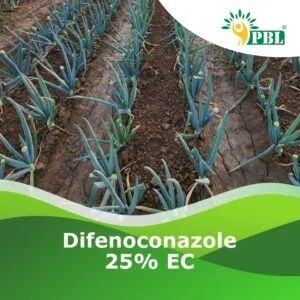
Difenoconazole 25% EC Pesticide

  • Number Of Flower Pesticide
  • Packaging Type Bottle Or Drum
  • Material Difenoconazole
  • Concentration 25%
  • Formulation Emulsifiable Concentrate (EC)
  • Usage Broad-spectrum Fungicide For Agricultural Crops
View Complete Details

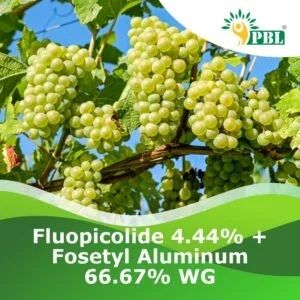
Fluopicolide Fosetyl Aluminum Wg Pesticide

  • Number Of Flower Pesticide
  • Packaging Type Typically Comes In Bags Or Containers
  • Material Fluopicolide, Fosetyl Aluminum
  • Concentration 4.44% Fluopicolide, 66.67% Fosetyl Aluminum
  • Formulation Water-dispersible Granules
  • Color White
View Complete Details

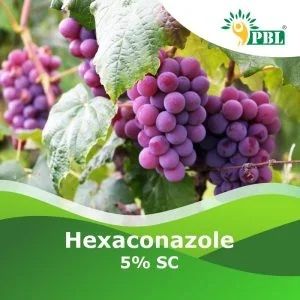
Hexaconazole 5% Sc Pesticide

  • Type Pesticide
  • Material Hexaconazole
  • Concentration 5%
  • Formulation Suspension Concentrate (SC)
  • Color Clear To Light Yellow
  • Packaging Type Typically Comes In Plastic Bottles Or Containers
View Complete Details

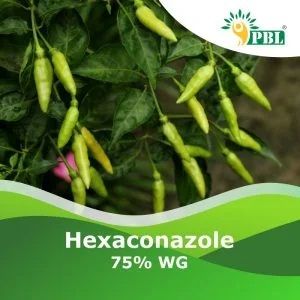
Hexaconazole 75% Wg Pesticide

  • Type Pesticide
  • Material Hexaconazole
  • Concentration 75%
  • Physical Form Wettable Granules
  • Color White
  • Packaging Type Typical Packaging For Pesticides
View Complete Details

Kitazine 48 % EC Pesticide

  • Packaging Type Amber
  • Packaging Type Bottle
  • Material Emulsifiable Concentrate (EC)
  • Usage Agricultural Insecticide For Crop Protection
  • Targeted Pests Wide Range Of Insects
  • Active Ingredient Kitazine 48%
  • Volume Varies Based On Packaging
View Complete Details

Mancozeb 75% Pesticide

  • Type Pesticide
  • Material Mancozeb
  • Concentration 75%
  • Color Grayish
  • Usage Broad-spectrum Fungicide For Agricultural Crops
View Complete Details

Metalaxyl 35% W.s Pesticide

  • Number Of Flower Pesticide
  • Packaging Type Standard Packaging
  • Material Metalaxyl
  • Concentration 35%
  • Physical Form Wettable Powder
  • Usage Effective Against Various Fungal Diseases In Crops
View Complete Details

Metalaxyl 8% + Mancozeb 64% Wp

  • Material Metalaxyl, Mancozeb
  • Concentration 8% Metalaxyl, 64% Mancozeb
  • Color White Powder
  • Packaging Water-soluble Packets Or Bags
View Complete Details

Picoxystrobin 22.52% Sc Pesticide

  • Material Liquid Formulation
  • Concentration 22.52%
  • Usage For Agricultural Purposes
View Complete Details

Picoxystrobin Tricyclazole Sc Pesticide

  • Application For Agricultural Purposes
  • Material Liquid Formulation
  • Color Varies
  • Packaging Bottle Or Container
  • Concentration 6.78% Picoxystrobin, 20.33% Tricyclazole
  • Volume Varies
View Complete Details

Propiconazole 10.7% + Tricyclazole 34.2% Se Pesticide

  • Type Pesticide
  • Active Ingredients Propiconazole 10.7%, Tricyclazole 34.2%
  • Material Liquid Formulation
  • Color Varies
  • Packaging Type Bottle Or Container
  • Usage For Controlling Fungal Diseases In Crops
View Complete Details

Propiconazole 25% EC Pesticide

  • Type Pesticide
  • Concentration 25%
  • Formulation Emulsifiable Concentrate (EC)
  • Usage Broad-spectrum Fungicide For Agricultural Crops.
  • Color Usually Light Yellow To Brown Liquid.
  • Material Active Ingredient: Propiconazole
View Complete Details

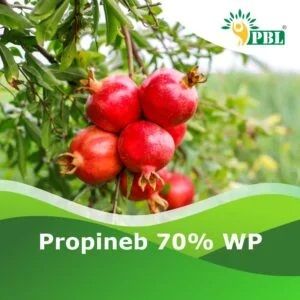
Propineb 70% Wp Pesticide

  • Material Propineb
  • Concentration 70%
  • Formulation Wettable Powder
  • Color White
  • Packaging Type Standard Packaging
  • Usage For Controlling Fungal Diseases On Crops
View Complete Details

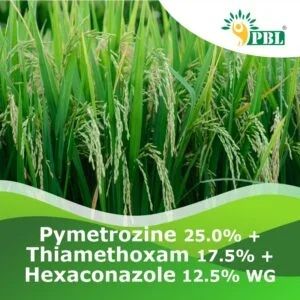
Pymetrozine 25.0% + Thiamethoxam 17.5% + Hexaconazole 12.5% Wg Pesticide

  • Material Granules
  • Percentage 25.0%, 17.5%, 12.5%
  • Color White
  • Packaging Type Water-soluble Bags
  • Usage For Controlling A Wide Range Of Pests In Various Crops
View Complete Details

Streptomycin Sulphate + Tetracycline Hydrochloride 90:10 SP Pesticide

  • Number Of Flower Pesticide
  • Packaging Type Plastic Bags Or Containers
  • Usage For Agricultural Purposes To Control Plant Diseases
  • Material Streptomycin Sulphate, Tetracycline Hydrochloride
  • Formulation Soluble Powder
View Complete Details

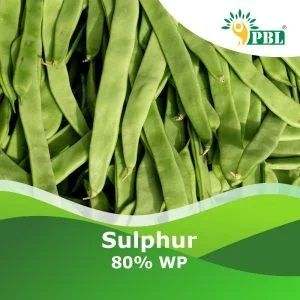
Sulphur 80% Wp Pesticide

  • Number Of Flower Pesticide
  • Material Sulphur
  • Usage Used For Controlling Various Fungal Diseases On Crops
  • Concentration 80%
  • Formulation Wettable Powder
View Complete Details

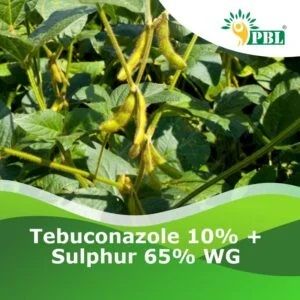
Tebuconazole 10% + Sulphur 65% Wg

  • Material Granules
  • Color White
  • Packaging Type 25 Kg Bag
  • Application For Controlling Fungal Diseases In Crops
  • Concentration 10% Tebuconazole, 65% Sulphur
View Complete Details

Tebuconazole 2% D.s Pesticide

  • Type Pesticide
  • Material Tebuconazole
  • Concentration 2%
  • Formulation Dust
  • Color White
  • Usage For Agricultural Purposes
View Complete Details

Tebuconazole 5.36% W/w Fs Pesticide

  • Material Tebuconazole
  • Concentration 5.36%
  • Formulation Flowable Suspension
  • Packaging Type Standard Packaging
  • Color Colorless To Light Yellow
  • Usage Broad-spectrum Fungicide
View Complete Details

Tebuconazole 6.7% + Captan 26.9% W/w Sc Pesticide

  • Material Liquid Formulation
  • Concentration 6.7% Tebuconazole, 26.9% Captan
  • Color Varies
  • Packaging Type Standard Pesticide Packaging
  • Usage For Controlling Fungal Diseases On Crops
View Complete Details

Thifluzamide 24% Sc Pesticide

  • Number Of Flower Pesticide
  • Packaging Type Varies
  • Packaging Type Typically Comes In Plastic Containers Or Bottles
  • Material Thifluzamide
  • Concentration 24%
  • Formulation Suspension Concentrate (SC)
  • Usage Used For Controlling Various Plant Diseases
View Complete Details

Thiophanate Methyl 70% Wp Pesticide

  • State Wettable Powder
  • Type Pesticide
  • Material Thiophanate Methyl
  • Concentration 70%
  • Color White
View Complete Details

Thiram 40% Fs Pesticide

  • Number Of Flower Pesticide
  • Packaging Type Yellowish
  • Packaging Type Bottle Or Drum
  • Material Thiram (Tetramethylthiuram Disulfide)
  • Concentration 40%
  • Formulation Flowable Suspension
  • Usage Protects Crops From Fungal Diseases
  • Compatibility Compatible With Most Fungicides And Insecticides
View Complete Details

Tricyclazole 75% W.p Pesticide

  • Type Pesticide
  • Material Tricyclazole
  • Concentration 75%
  • Physical Form Wettable Powder
  • Color White
  • Packaging Type Typical Packaging For Pesticides
View Complete Details

Ethephon Plant Growth Regulator

  • Material Ethephon
  • Packaging Type Liquid Form In Bottles Or Drums
  • Usage/Application Used To Promote Fruit Ripening In Various Crops
  • Type Plant Growth Regulator
  • Manufacturer Varies
View Complete Details
Tell Us What are you looking for? Will call you back
Contact Us