 GST : 29AACFP6260H1Z3
 4.4/5
4.4/5
Our Products
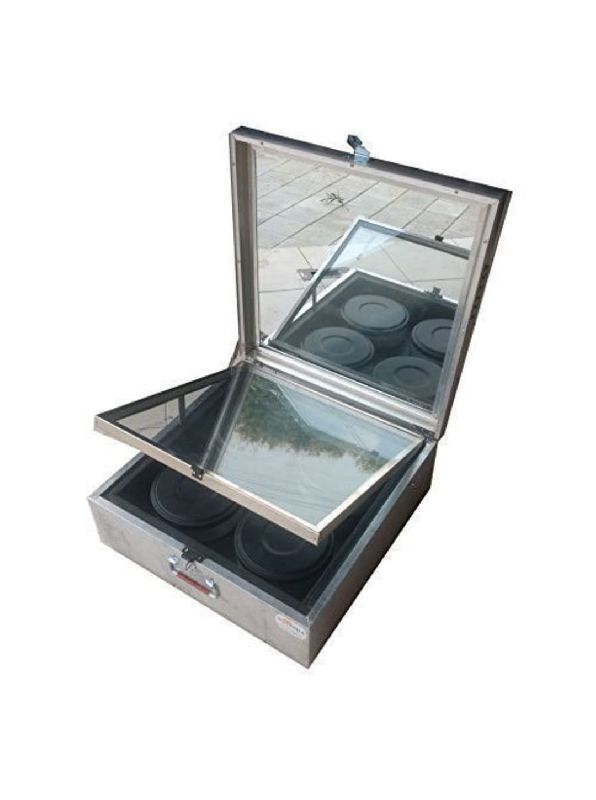
Our product range contains a wide range of Solar Cooker
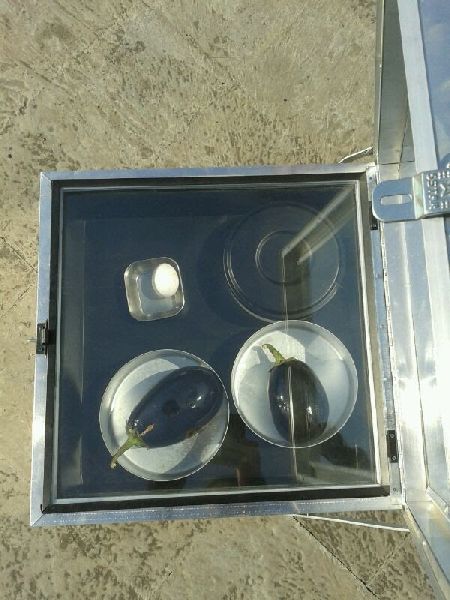
A solar cooker is an eco-friendly device that uses solar energy to cook food. Its an excellent way to reduce reliance on fossil fuels, lower energy costs, and minimise environmental impact. Here's an overview of how solar cookers work, their types, benefits, and key considerations.
How It Works
Solar cookers utilise the principles of concentrating, collecting, and converting sunlight into heat for cooking. Here's a basic outline of the process:
Concentration:
Absorption:
Heat Retention:
Types of Solar Cookers
Box Cookers:
Panel Cookers:
Parabolic Cookers:
Additional Information:
Payment Terms :
Packaging Details : Bubble role & Box rutt pack
Delivery Time : 1 day
 Mr. Darshan (Phoenix Products)
 D-87, Near KPTCL Sub Station, Industrial Estate, Udyambag, Belgaum, Karnataka - 590008
 https://www.phoenix-products.in
 Share us via