 GST : 24CJRPK5260J1ZU
 4.0/5
4.0/5
Our Products
Our offered Product range includes Diafenthiuron 50% WP Insecticide, Acetamiprid 20% SP Insecticide, Bifenthrin 10% WP Insecticide, Emamectin benzoate 5% SG insecticide and Emamectin Benzoate 1.9% EC Insecticide.
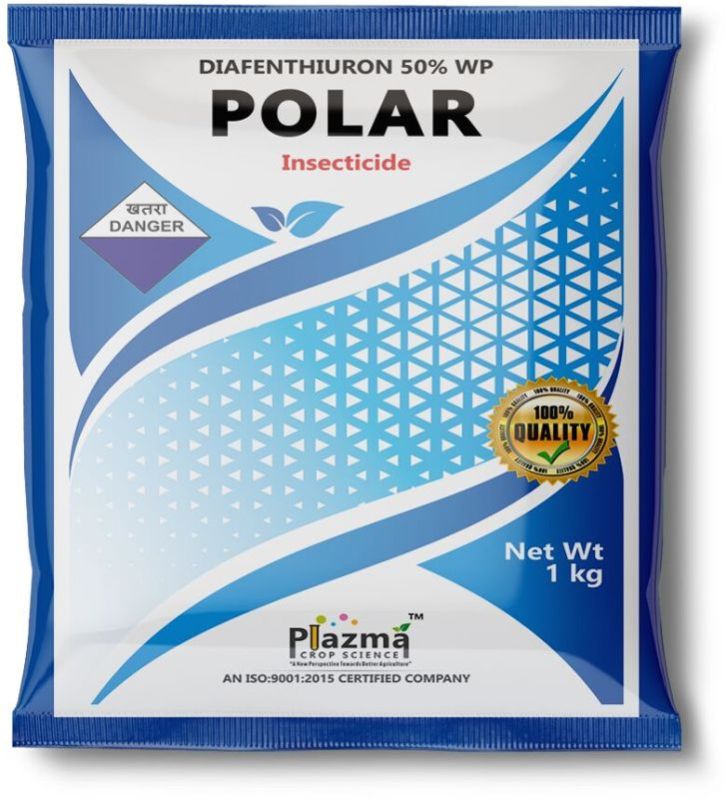
Diafenthiuron 50% WP is a Broad Spectrum Insecticide. It is recommended for its use to control Whiteflies, Aphids, Thrips, Jassids in Cotton and Diamond Back Moth (DBM) in Cabbage, mites in chilli, white fly in brinjal and thrips capsule borer in cardamom crops, mites in citrus, Whitefly, Red spider mite in Watermelon and Tomato and Whitefly, Red spider mite & Jassid in Okra.
Direction of UseMeasure our required quantity of the product and mix it well with a small quantity of water. Add the remaining quantity of water as specified with thorough agitation for total coverage of crops with suitable sprayer.
Time of ApplicationCotton: Apply first spray during initial appearance of pests and repeat one or two sprays at 15 days interval depending on pest intensity. Cabbage: First spray at 30 DAT or at the time of first pest appearance and repeat 2-3 sprays at 10-15 days interval depending on pest intensity.
Chilli: First spray at 30 DAT or at the time of first pest appearance and repeat two or four sprays at 14-21 days interval depending on pest intensity.
Brinjal: First spray at the time of pest appearance and repeat two sprays at 14-21 days interval depending on pest intensity.
Cardamom: First spray at the time of pest appearance and repeat two sprays at 21-30 days interval depending on pest intensity.
Citrus : First spray at the time of pest appearance and repeat spray 14-21 days interval depending on pest infection.
PrecautionPoisoning may cause symptoms of subdued behavious, prostration, lethargy, piloerection, headache, gidiness, vertigo, nausea, vomiting, blurred vision, sweating, excessive lacrimination & salivation.
First AidThe product is non phytotoxic when used as per field recommendation.
AntidoteNo specific antidote is known. Apply symptomatic therapy.
Disposal Of Used Container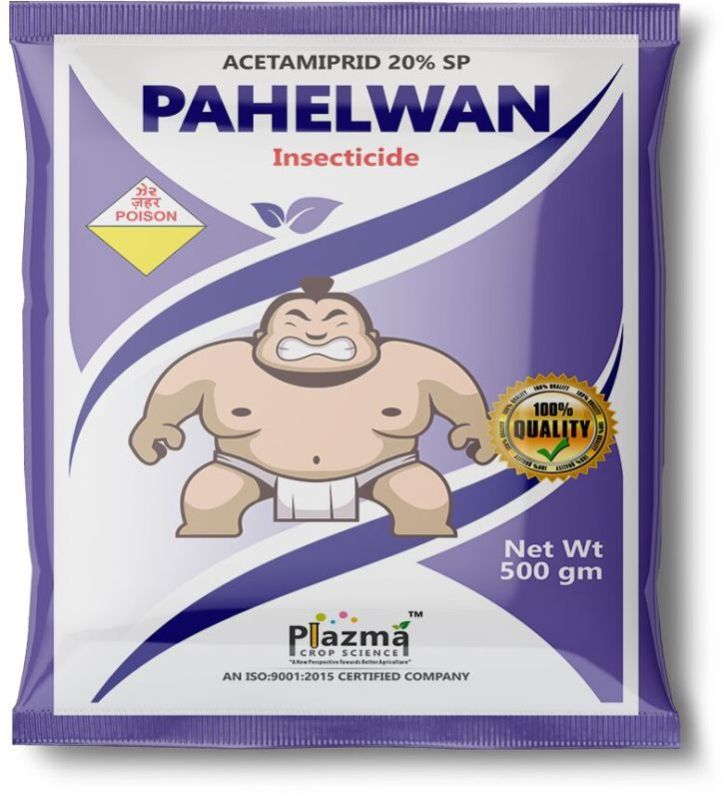
Acetamiprid 20% SP is a soluble powder formulation containing 20% of the active ingredient Acetamiprid. Acetamiprid 20% SP is a highlyeffective systemic insecticide for the control of aphids, jasssids and whiteflies in cotton crop; Aphid in Cabbage; Aphid in Okra.
Direction of UseKnapsack sprayer, foot sprayer, compression knapsack sprayer, compression knapsack battery sprayer and ASPEE-HTP power sprayer.
PrecautionNausea, vomiting, headache, dizziness and stomach-ache may occur.
First AidThe product is not phytotoxic when used as per field recommendation.
AntidoteNo specific antidote is known. Treat symptomatically.
Disposal Of Used Container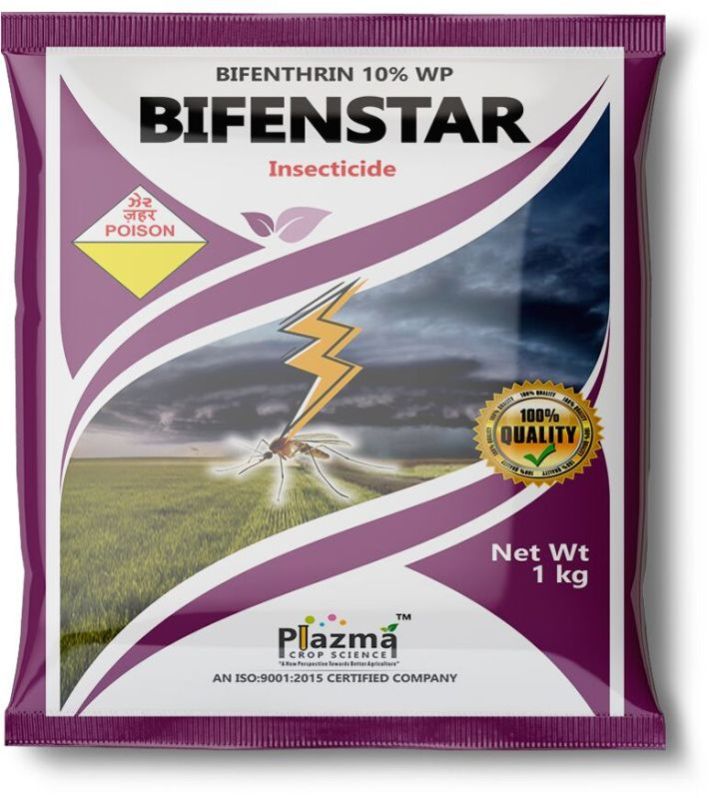
Bifenthrin 10% WP is a broad spectrum insecticide containing active ingredent 10% w/w Bifenthrin. A highly effective public health insecticide for control of adult mosquito. NOT TO BE USED ON ANY FOOD CROPS.
* Caution :- It is toxic to honey bees, spray application should be avoided during the foraging period of bees. Toxic to aquatic organisms hence should not be used near water bodies, aquaculture or pisciculture.
Direction of UseApply thoroughly on all surfaces covering dark corners and hidden places where mosquitoes rest. EQUIPMENT FOR USAGE: Foot stir-ip pump, knapsack and Domestic hand sprayer.
PrecautionEffects from overexposure result from either swallowing, inhaling or coming into contact with the eyes or skin. Symptoms of overexposure include bleeding from the nose, tremors and convulsions. Contact with this product may occassionaly produce skin sensations such as rashes, numbing, burning or tingling. These skin sensations are reversible and usally subside within 12 hours.
First AidThere is no specific antidote. Treat symptomatically
Disposal Of Used Container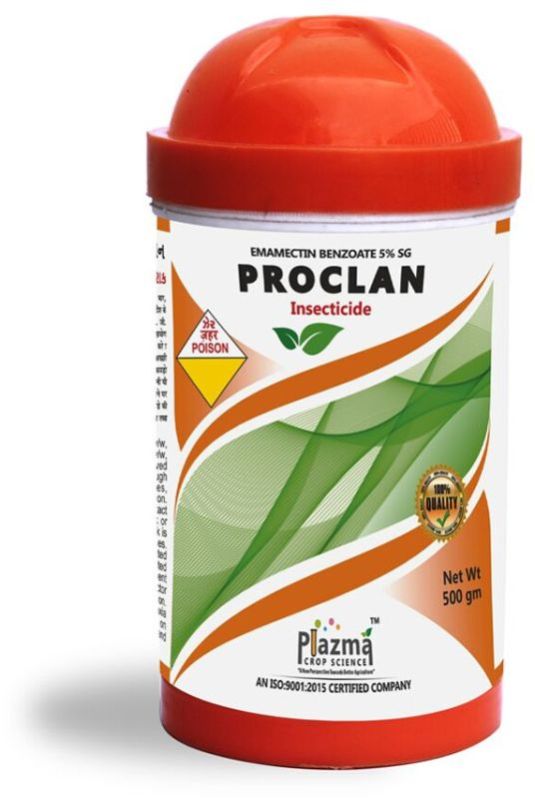
Emamectin benzoate 5% SG is a water soluble granular formulation cointaning 5% active ingredient and is recommended for the control of Bollworms on cotton, Fruit and shoot borer on okra, DBM on cabbage, Fruit borer, thrips, mites on chilli, fruit and shoot borer on brinjal, pod borer on red gram, chickpea Graps-Thrips and Tea - Tea looper. It is an insecticide with stomach action and should be ingested by the larvae to be most effective. Affected larvae become paralyzed and stop feeding shortly after exposure to Emamectin Benzoate 5% SG and subsequently die after 2-4 days.
Direction of Use
apply the insecticides when the incidence of larvae is first observed and repeat applications as necessary. apply the insecticide in sufficient quantity of water to ensure through coverage of the foliage. Emamectin benzoate 5% SG is toxic to Aquaculture and Honey bees.
Precaution
Do not use cooking utensils for preparing the spray solution. Use stick for stirring the spray solution. Avoid contact with skin, eye and clothing. Avoid inhalation of fog and vapours. Wear hand gloves to avoid contact with the skin. Wear protective clothing, mask, goggles and boots while handling the product. Do not eat, drink or smoke while applying the product. Wash hands with soap and plenty of water and change clothes after the work is over. Avoid contamination of air and water bodies with the insecticides. Also wash the contaminated clothes.
Symptoms Of Poisoning
Early symptoms of poisoning may be a combination of dilation of pupils, muscular in coordination, ataxia and muscle tremors
First Aid
Remove the affected person to as well ventilated area or fresh air and protect him from under cooling. Remove contaminated clothing and thoroughly wash the affected parts of the body with soap and water. Rinse eyes with clean water for several minutes. If ingested, give the patient one or two glasses of water, if able to swallow. Do not induce vomiting. Get the attention of the medical doctor immediately.
Note: Do not induce vomiting or never give anything by mouth to an unconscious person.
Phytotoxicity
Early symptoms may be a combination of dilation of pupils, muscular in coordination, ataxia and muscle tremors.
Antidote
No specific antidote. treat symptomatically.
Disposal Of Used Container
Storage Conditions
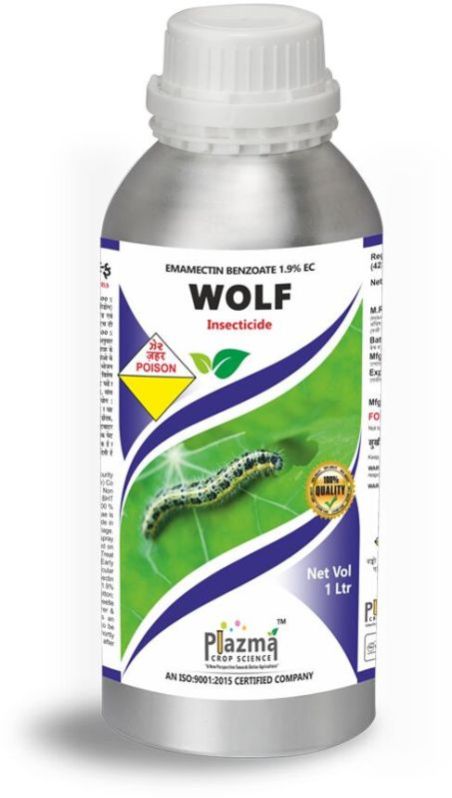
Emamectin benzoate 1.9% EC is a water soluble liquid formulation containing 1.9% active ingredient and is recommended for the control of bollworms in Cotton; Leaf folder & hispa on Paddy; Green semilooper, Pod borer, Girdle beetle and Tobacco caterpillar on Soybean; pod borer on Checkpea; fruit borer & thrips on Chilli; Fruit borer (Helicoverpa armigera) on Tomato. It is an insecticide with stomach action and should be ingested by the larvae to be most effective. Affected larvae become paralyzed and stop feeding shortly after exposure to Emamectin Benzoate 1.9% EC and subsequently die after 2-4 days.
Direction of Use
Apply the insecticide when the incidence of larvae is first observed and repeat applications as necessary. Apply the insecticide in sufficient quantity of water to ensure thorough coverage of the foliage.
Plant protection equipment: Knapsack sprayer, compression knapsack sprayer, battery operated power sprayer.
Time of Application
Emamectin benzoate is recommended for the control of following pests in Cotton, when applied as foliar spray.
Precaution
Symptoms Of Poisoning
Early symptoms of poisoning may be a combination of dilation of pupils, muscular in-coordination, ataxia and muscle tremors.
First Aid
Remove the affected person to a well-ventilated area or fresh air and protect him from under cooling.
In case of skin contact: Remove contaminated clothing and thoroughly wash the affected parts of the body with soap and water.
In case of eye contact: Rinse eyes with clean water for several minutes. In case of ingestion: Give the patient one or two glasses of water, if able to swallow. Do not induce vomiting. Get the attention of the medical doctor immediately.
NOTE: Do not induce vomiting or never give anything by mouth to an unconscious person.
Phytotoxicity
Non phytotoxic when used as per recommendation.
Antidote
No specific antidote. Treat symptomatically.
Disposal Of Used Container
Storage Conditions
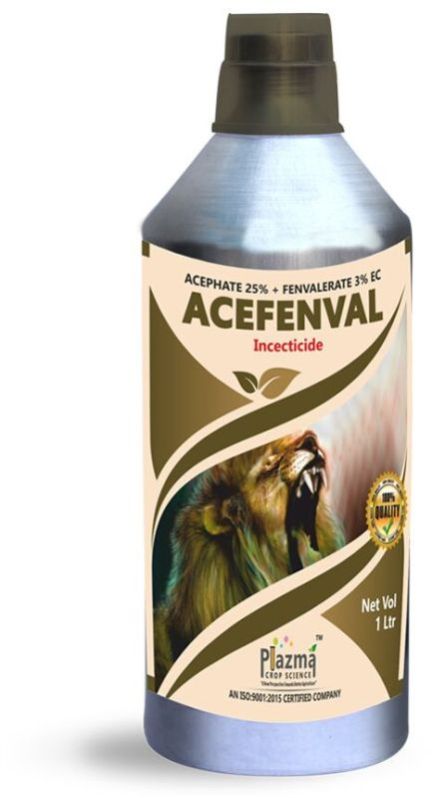
Acephate 25% + Fenvalerate 3% EC is used for the control of American bollworm and sucking pests on cotton.
* Caution :- It is toxic to honey bees, spray application should be avoided during the foraging period of bees
Direction of UseKnapsack sprayer, foot sprayer, compression knapsack sprayer, compression knapsack battery sprayer and ASPEE-HTP power sprayer.
Time of Application-
PrecautionAnorexia, headache, dizziness, anxiety, miosis, impairment of visual acuity, abdominal cramps, muscular tremors, diarrhoea, respiratory difficulty, nausea, vomiting, allergies, excessive sweating lacrimation and salivation may occur.
First AidThe product is not phytotoxic when used as per field recommendation.
Antidote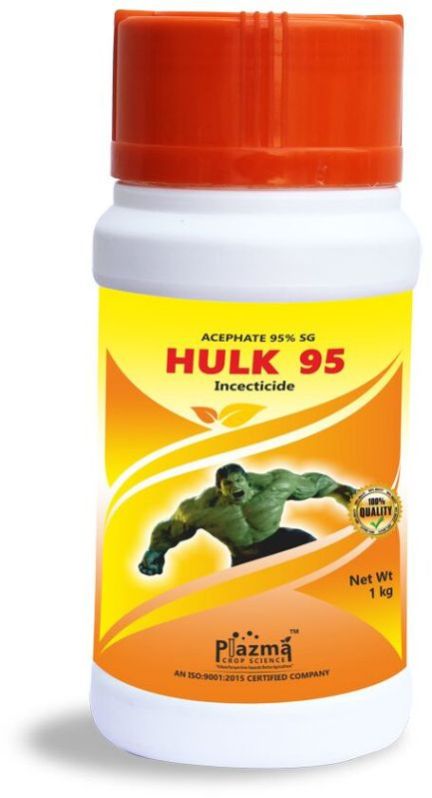
Acephate 95% SG is an organo phosphorus insecticide used for the control of stem borer, leaf folder and brown plant hoppers on Paddy, Jassid on Cotton and Thrips, Aphids and fruit borer (H. armigera) on Chilli.
* Caution :- It is toxic to honey bees, spray application should be avoided during the foraging period of bees.
Direction of Use
Precaution
Symptoms Of Poisoning
The early symptoms may be combination of headache, giddiness, vertigo, nausea, vomiting blurred vision, sweating, excessive lacrimation and salivation.
First Aid
Phytotoxicity
Acephate 95% SG is not phytotoxic when used as per recommendations.
Antidote
Disposal Of Used Container
Storage Conditions
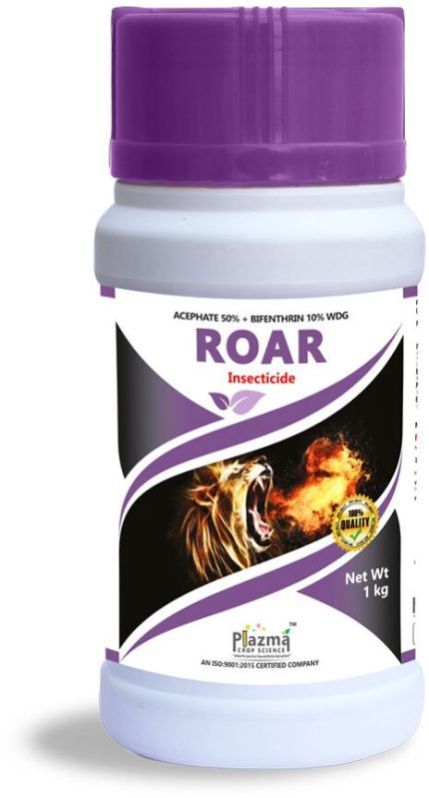
Acephate 50% and Bifenthrin 10% is a wettable graules containing Acephate 50% a.i. and Bifenthrin 10% a.i. in the formulation. It is used for control of Leaf hopper, Aphid, Thrips & Bollworms on Cotton crop.
* Caution :- It is toxic to honey bees, spray application should be avoided during the foraging period of bees.
Direction of UseThe required quantity of ready mix formulation Acephate + Bifenthrin was diluted in water and sprayed by using hands operated knapsack sprayer @800g/ha.
Time of ApplicationEquipment used in the application: Use knapsack sprayer fitted with hollow cone nozzle for spray.
PrecautionHeadache, giddiness, vertigo, nausea, vomiting, blurred vision, diarrhoea, convulsions, excessive sweating, lacrimation and salivation may occur. Rashes numbing, burning or tingling.
First AidWash the contaminated skin thoroughly with soap and plenty of water. Remove the contaminated clothing. If swallowed induce vomiting by tickling the back of throat. If eyes are contaminated, flush the eyes with plenty of fresh water for at least 10 minutes. Remove the patient into fresh air.
Antidote
It is a combination product of organophosphorus and pyrethroid compound. It is used to control bollworm of cotton.
Direction of Use
Plant Protection Equipment:- Knapsack sprayer, Foot sprayer, strip pump etc.
Time of Application
It depends on the occurence of the insect pests.
Repeat applications at an interval of 10-15 days. Water dilution given above is for high volume spray pump. Agitate the solution and prepare homogeneous mixture. Do not spray against the wind.
Precaution
Symptoms Of Poisoning
Anorexia, headache, Weakness, dizziness, abdominal cramps, diarrhoea, blurred vision, nausea, vomiting, Allergic manifestation, excessive sweating lacrimation and salivation, may occur.
First Aid
Phytotoxicity
The product is not phytotoxic when used as per field recommendation.
Antidote
Disposal Of Used Container
The empty packages shall be broken and burried away from habitation. The used packages shall nto be left outside to prevent their re-use. The empty packages or surplus material and washing should be disposed off in safe manner so to prevent environment or water pollution.
Storage Conditions
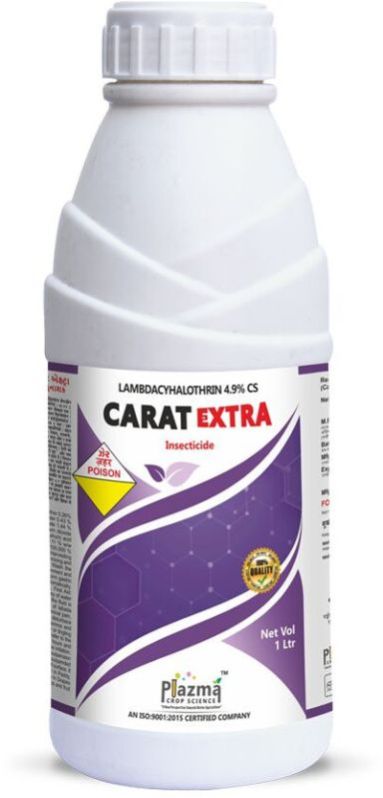
Lambda cyhalothrin 4.9% Capsule Suspension ios a capsule suspension formulation wherein the active ingredient is sealed in a tiny thin-walled capsules suspended in water and is released only when the spray depost dries on the target pest and leaft surface. It is recommended for the control of bollworms in cotton, stem borer & Leaf folder in Paddy, shoot and fruit borer in Brinjal, Fruit borer in Okra & Tomato, Thrips & Flea beetle in Grapes and Thrips & Pod Borer in Chili and stemfly & semiloopr in soybean crops, Thrips and fruit borer on Pommegranate, Shoot & capsule borer and Thrips on Cardamom Crop.
Direction of UseMethod of application and spray equipment: Apply as hight volume spray with a KJnapsack sprayer fitted with fine-mist nozzle or mist blower.
PrecautionAvoid contace with skin, eyes and mouth during mixing and spraying. Wear protective clothing like apron, gloves, face shield and boots. Wash the affected areas before eating, drinking of smoking. Avoid contamination of environment and water. Avoid contact with treated area until the spray is fully dried. The product is toxic to fish, aquatic invertebrates & honey bees thus may be avoided near aquaculture and active period of foraging of honey bee.
Symptoms Of PoisoningIngestion of lambada-cyhalothrin may product non-specdific symptoms such as nausea, vomiting abdominal pain, diarrhoea and allergic manifestations. If larger doses are ingested, k it may cause disturbace of the nervous system with tremors, atazia, weakness of limbs, convulsion, comma and death from respiratory depression. Skin contace may cause subjective sensation or tingling or numbness in the facial area. This effect normally result from unconscious transfer to the face from contaminated hands or gloves. This effect is transcient, lasting uypto 24 hours and there is not evidence of any long term or cumulative effects. Eye contace will cause irritation.
First AidRemove the patient from further exposure and wash contaminated skin with plenty of water and sap. If swalled, induct vomiting and perform gastric lavage, repeat till the fluid is clear. If eyes contamianted, flush with plenty of water.
AntidotePerform gastric lavage, taking care to prevent aspiration of gastric contents. Treat symptomatically. Antihistamines may be applied, in case of manifestation of allergic symptoms.
Disposal Of Used ContainerThe empty containers should never be re-used and should be destroyed and buried in safe place. Dispose off packages or surplus material and washing in a safe manner so as to prevent environmental and water pollution.
Storage ConditionsStore in the original container away from food and animal feed in a separate room kept under lock and kety. Store in a cool dry, well built and well lit place of sufficient dimensions with good ventilation.

It is a synthetic pyrethroid insecticide containing Cypermethrin a.i. 10% by mass and balance other relevant ingredients. Formulation dosage = a.i. x 100 / 10 x sp. gr. (0.91)
Direction of UseP.P. Equipment:- Knapsack sprayer, Knapsack, motorised knapsack sprayer cum duster, compression knapsack battery sprayer, Wheel barrow sprayer.
PrecautionNervousness, anxiety, tremor, convulsions, skin allergies, sneezing, running nose and irritation may occur.
First AidThe product is not phytotoxic when used as per field recommendation.
AntidoteNo specific antidote is known, Treat symptomatically. Antihistamines may be given to control allergies.
Disposal Of Used Container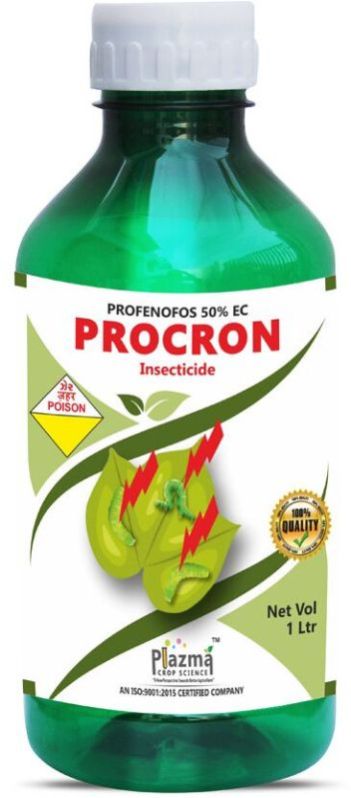
It is used to control bollworms, Jassids, Aphids, Thrips & White flies of cotton and semilooper and girdle beetle in soybean crop.
Direction of UseKnapsack sprayer, foot sprayer, compression knapsack sprayer, compression knapsack battery sprayer and ASPEE-HTP power sprayer fixed with hollow cone nozzle.
Apply two to three sprays at 15 days interval depending on pest intensity on tea.
PrecautionHeadache, giddiness, vertigo, nausea, vomiting, blurred vision, diarrhoea, convulsions, sweating, excessive lacrimation, and salivation may occur.
First AidThe product is not phytotoxic when used as per field recommendation.
Antidote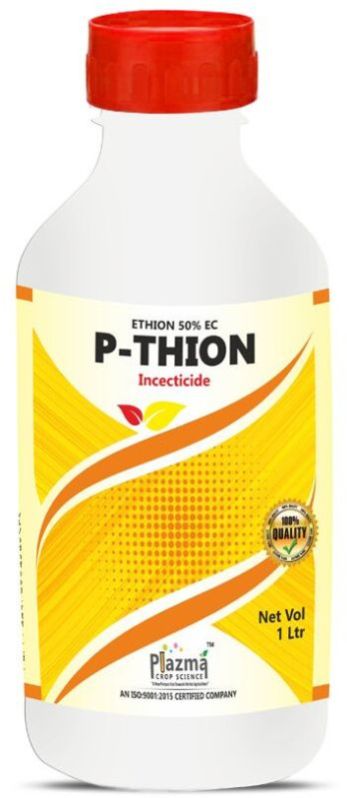
It is an organophosphorous compound containing 50% active ingredient Ethion by mass and balance adjuvants.
Direction of UseP.P. Equipment:- Knapsack sprayer, footsprayer, compression knapsack sprayer, compression knapsack battery sprayer and ASPEE-HTP power sprayer.
Recommendation for termites control in buildings: For protecting building from termites attack, use Ethion 50% EC at 0.5% a.i. conc. i.e. 50 ml of formulation to be diluted in 5 litres of water as per BIS standard IS:6313-1981 (Part-II) for pre-construction and IS:6313 (Part-III) for post construction treatment.
Pre-constructionSoil treatment: The chemical shall be applied uniformly at the prescribed rate in all the stage of the treatment. A suitable hand operated compressed air sprayer or watering CAN should be used to facilitate uniform disposal of the chemical emulsion.
Treatment for Masonry Foundations and basements: The bottom surface and the sides (up to a height of 300 mm) of the excavations made from masonry foundations and basement shall be treated with the chemical at the rate of 5 litre/m2 surface area.
After masonry foundations and the retaining wall of the basements come up, the backfill in immediate contact with the foundation structure shall be treated at the rate of 7.5 litre/m2 of the vertical surface of the sub structure for each side. Treatment for RCC foundation and basement: The treatment shall start at a depth of 500 mm below the ground level at the rate of 7.5 litre/m2
Post ConstructionTreatment along outside of foundation : The soil in contact with the external wall of the building shall be treated with the chemical at the rate of 7.5 litre/m2 , of the vertical surface of the sub-structure to a depth of 300 mm. Chemical emulsion shall be directed towards the wall at 1.75 litres per running metre of channel, concrete masonry apron around the building & RCC foundation to 300 mm depth from the ground level. Treatment of soil under floors: Chemical treatment should be provided within the plinth area on the ground floor of the structure wherever such cracks are noticed, by drilling vertically 12mm holes at the junctions of floors and walls, constructional area and expansion joints at 300 mm interval to reach the soil below.
Time of ApplicationFoliar spray immediately after plucking.
PrecautionHeadache, giddiness, vertigo, nausea, vomiting, blurred vision, diarrhoea, convulsions, sweating, excessive lacrimation, and salivation may occur.
First AidThe product is not phytotoxic when used as per field recommendation.
Antidote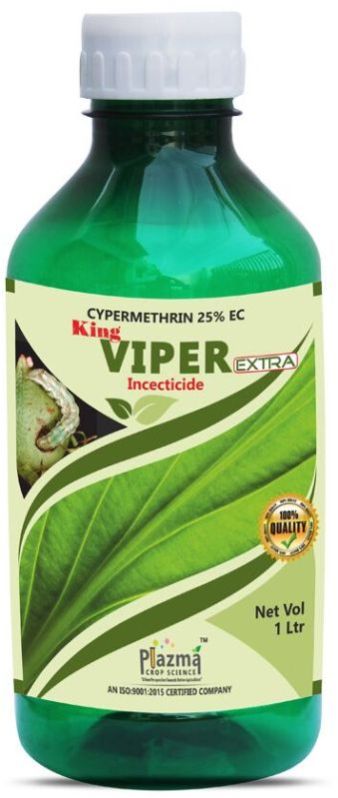
It is highly active synthetic pyrethroid insecticide based jon Cypermethrin technical. Its 25% w/w as its active ingredient and balance adjuvants.
Direction of UseP.P. Equipment:- Knapsack sprayer, Knapsack, motorised knapsack sprayer cum duster, compression knapsack battery sprayer, Wheel barrow sprayer
PrecautionNervousness, anxiety, tremor, convulsions, skin allergies, sneezing, running nose and irritation may occur.
First AidThe product is not phytotoxic when used as per field recommendation.
AntidoteNo specific antidote is known, Treat symptomatically. Antihistamines may be given to control allergies.
Disposal Of Used Container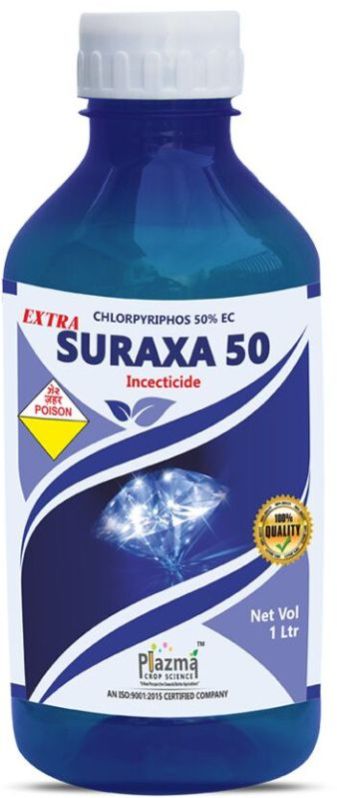
It is emulsifiable concentration containing active ingredient Chlorpyriphos 50% w/w cypermethrin 5% w/w balance emulsifiers and solvent. It effectively controls pest complex on cotton.
*Caution : Toxic to aquatic organisms hence should not be used near water bodies, aquaculture or pisciculture. It is toxic to honeybees, spray application should be avoided during foraging period of bees. Product is highly toxic to birds hence avoid use near bird habitat.
Direction of UseDepending upon the stage of the crop increase or decrease the quantity of water.
Plant Protection Equipment: Knapsack sprayer, foot sprayer, compression knapsack sprayer, compression knapsack battery sprayer, and ASPEE-HTP power sprayer fitted with hollow cone nozzle.
PrecautionHeadache, giddiness, vertigo, nausea, vomiting, blurred vision, diarrhoea, convulsions, excessive sweating, lacrimation and salivation allergic manifestation may occur.
First Aid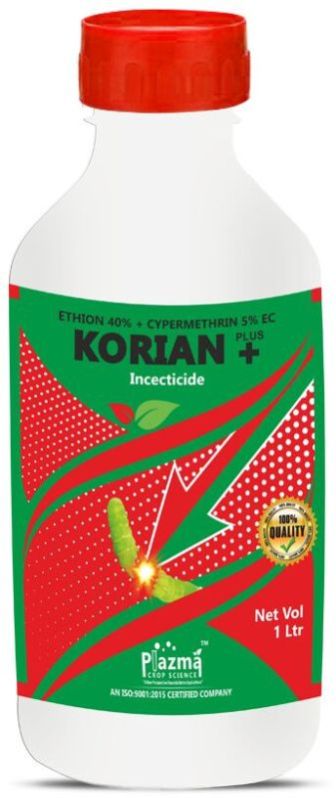
Ethion 40% + Cypermethrin 5% w/w EC is used for the contro of American bollworm on Cotton crop; Miters, Thrips & Fruit borer in Chilli.
Direction of UseKnapsack sprayer, foot sprayer, compression knapsack sprayer, sompression knapsack battery sprayer, and ASPEE-HTP power sprayer.
PrecautionNervousness, headache, digginess, nausa, vomiting. allertic manifestation, diarrhoea, convulsion, tightness in chest, muscular twitching, constricted pupils respitratory distress. excessive sweating lacrimation, salivation may occur.
First Aid Mr. Bhadresh Kakdiya (Plazma Crop Science)
 Plot No.340 Chitra GIDC, Bhavnagar, Gujarat - 364004, India
 https://www.plazmacropscience.in
 Share us via