 7.50 Lakh / Piece Get Latest Price
Product Specifications
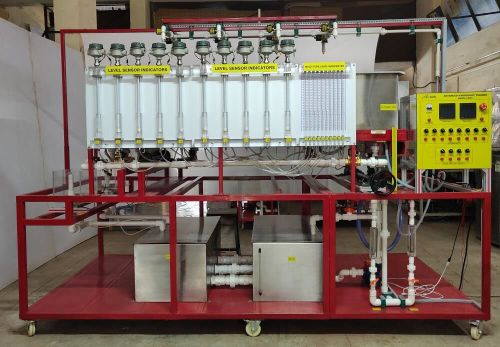
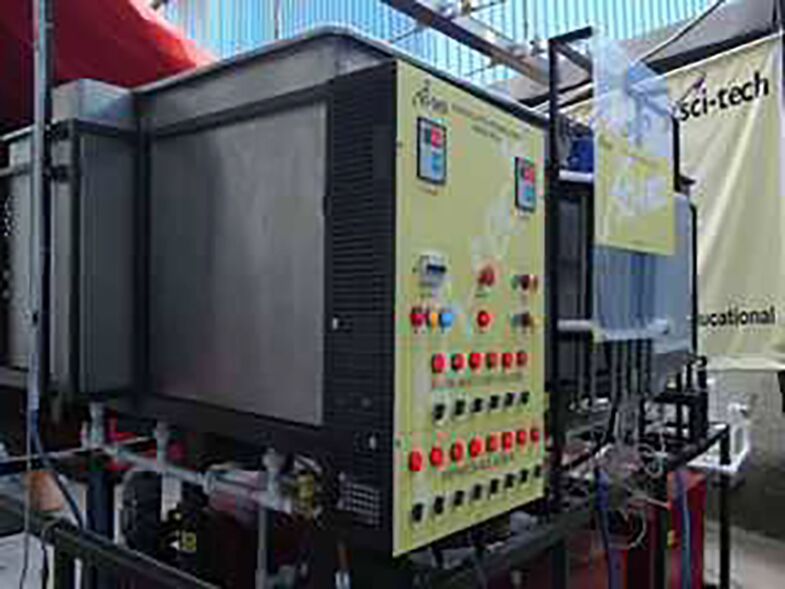
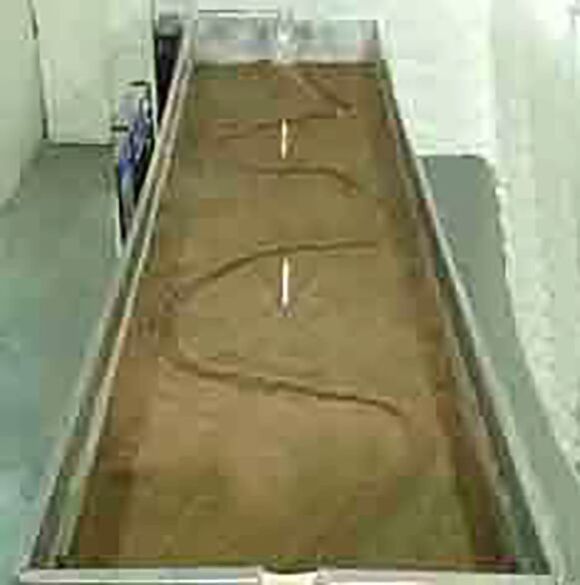
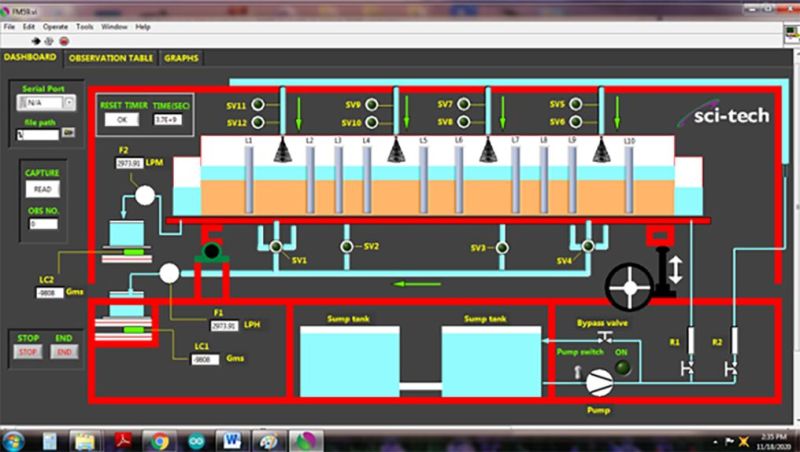
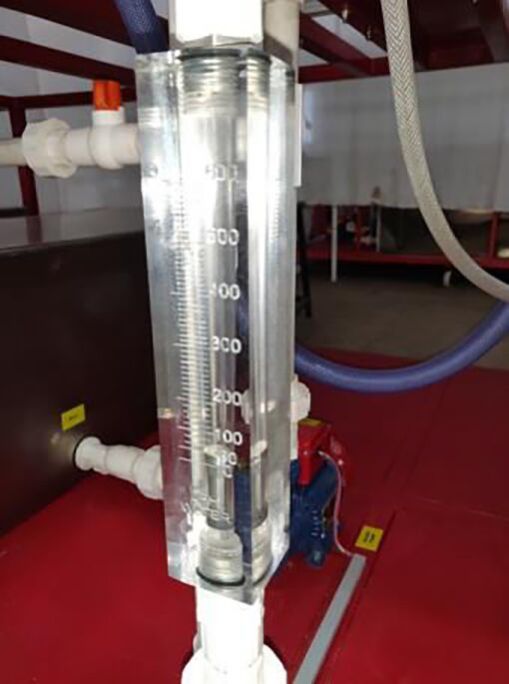
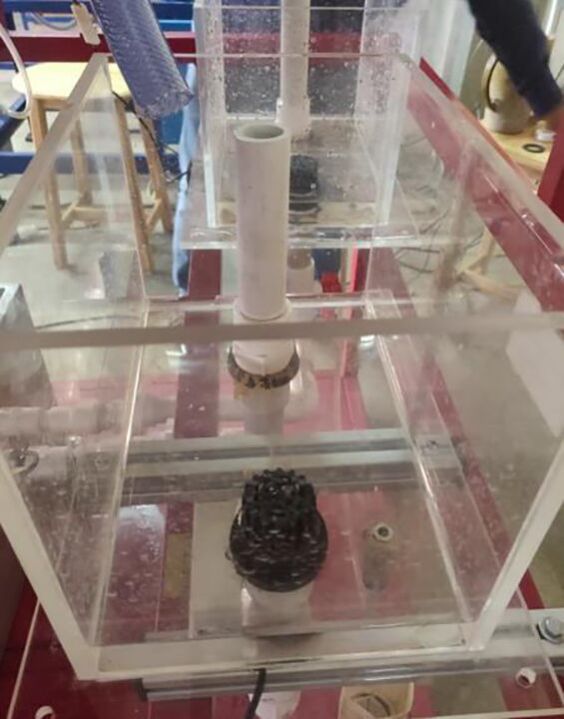
Sci-tech Advanced Hydrology System Trainer Model FM 59 demonstrates some of the major physical processes found in hydrology and fluvial geomorphology, including: rainfall hydrographs for catchment areas of varying permeability; the abstraction of ground water by wells, both with and without surface recharge from rainfall; the formation of river features and effects of sediment transport. Realistic results can be obtained from this small scale, floor standing apparatus, which can be conveniently located and requires no special services. The unit comprises a sand tank, made of stainless steel, measuring 2mtrs by 1mtr (Optionally available in any required dimensions: We have made up to 6mtrs by 2mtrs). Water may be input to the sand tank from spray nozzles located above the tank (simulating rainfall), from an inlet tank simulating a river flow or from two drains buried in the sand at either end of the tank. The water is output either from an outlet tank and flow measurement system located at the end of the main sand tank, from one or both of the two wells located in the tank, or one or both of the French drains. SS or plastic sump tanks are located under the sand tank. Ground water table levels (phreatic surface) are measured using eleven to twenty tapping points in the sand tank, configured, optionally in a cruciform pattern, and displayed on a manometer bank. Four to Eight stainless steel spray nozzles, depending on the tank size, are mounted on a gantry above the sand tank, positioned to give an even distribution across the tank surface. The height of the gantry can be easily adjusted. Each nozzle has an associated on/off valve, allowing a wide variety of moving rainfall patterns to be simulated. The river inlet tank uses glass balls to still the flow, and a shaped channel section to provide formed flow conditions into the sand tank. The subsurface flow inputs are via two drains, buried in the sand at either end of the tank. These French drains can optionally, extend the full width of the tank. Each drain can be configured as an inlet or an outlet to permit a wide variety of hydrological demonstrations. Variable area flow meters with integral adjusting valves are used to control and measure the various flows into the tank. The use of self-sealing quick release fittings allows the system to be configured in a variety of different ways, enabling a wide range of demonstrations. The two flow meters have different ranges, further enhancing the flexibility of the overall system. Pressure regulators (optional) and filters are incorporated in the water supply lines, minimizing system disturbances. The outlet tank is located at the end of the sand tank, and is used for hydrographs, run-off and river formation demonstrations. A stepped height weir is used to adjust the outlet conditions. (When performing water table demonstrations this stepped weir is replaced with a sealing plate.) The outlet tank comprises a sand trap, a water stilling system and a flow measurement device. The flow measurement is performed by measuring the height of the water flowing over the outlet weir, using a manometer. The sand trap is configured to allow the sediment to be collected in a sieve. In this way the amount of sediment collected can be measured. Optionally, additional instrumentation and a data logging system that is used to measure both the water flow and the sediment flow. This system works by measuring the weight of the sand and water collected in the outlet tank, and calculating the sediment flow rate from the rate of change of the weight. It comes complete with educational software, help texts, graph plotting, etc., and requires a user provided PC. An optional accessories of sets of shapes and models for use when investigating surface flow effects and run-off effects. Technical Specifications 1. A self-contained floor standing apparatus for hydrology and fluvial geomorphology demonstrations, comprising: (a) SS sand tank: Available from 1mx2m to


Company Information
 Member Since 16 Years
 Nature of Business Retailer
 GST No. 27AAIPB6904A1Z9
  Address 102, Regency, New Link Road, Dahisar, Mumbai, Maharashtra, 400068, IN
Ask for more detail from the seller
Contact Supplier

Connect with us





 For Buyer
  For Seller
  Help
Help 
 Twitter
 WhatsApp
 Facebook
 Linkedin