
Company Information
 Member Since 10 Years
 Nature of Business Exporter Year of Establishment 2014
Ask for more detail from the seller
Contact Supplier
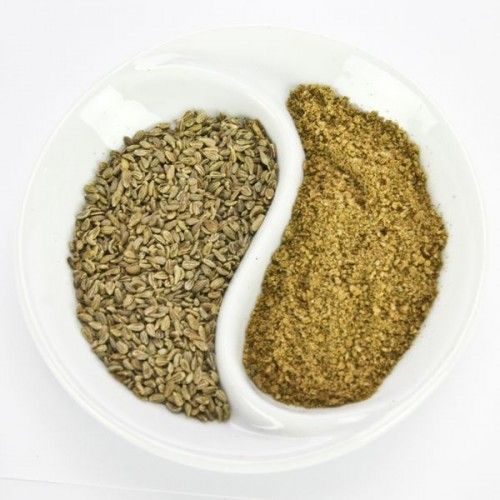
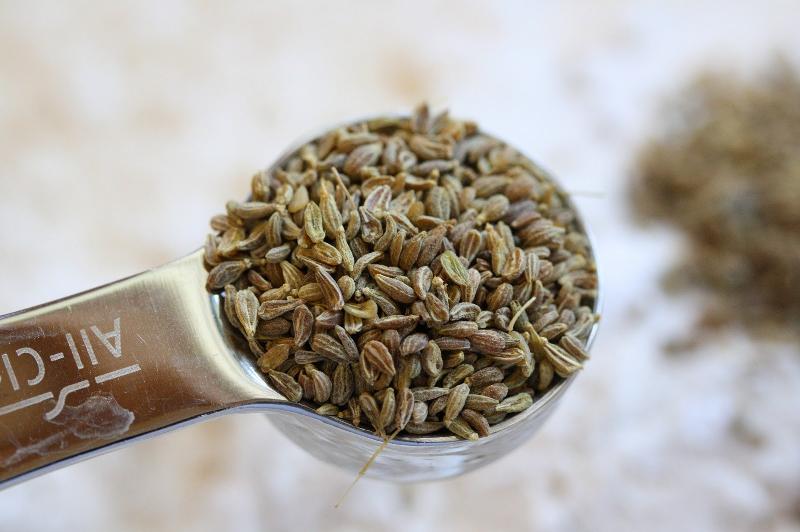
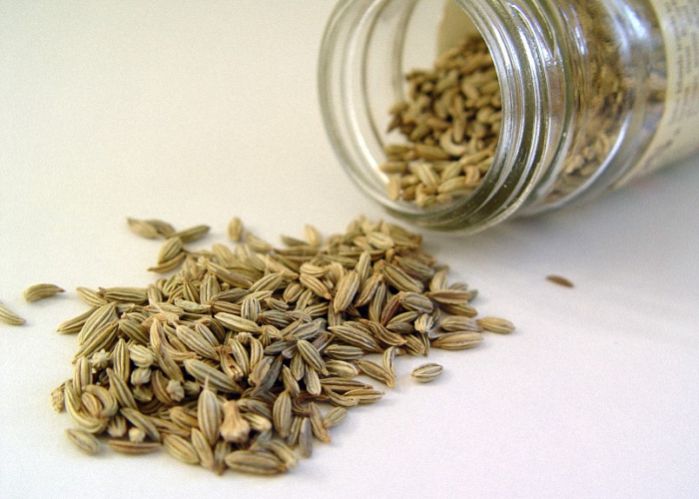
Do you suffer from gripping stomach pain? Or with cold and cough? Take a few sips of anise seed mixed in hot-water and you feel better instantly. These unique aromatic spicy seeds indeed are quite popular for their culinary and medicinal values. Anise botanically belongs to the Apiaceae family in the genus Pimpinella and known scientifically as Pimpinella anisum. The humble anise plant is native to Middle-East and Mediterranean region; probably originated on the fertile plains of Nile delta in the Egypt.
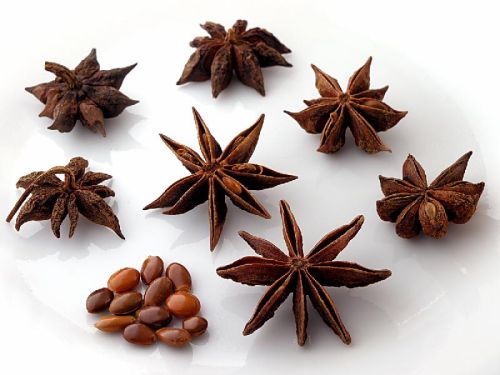
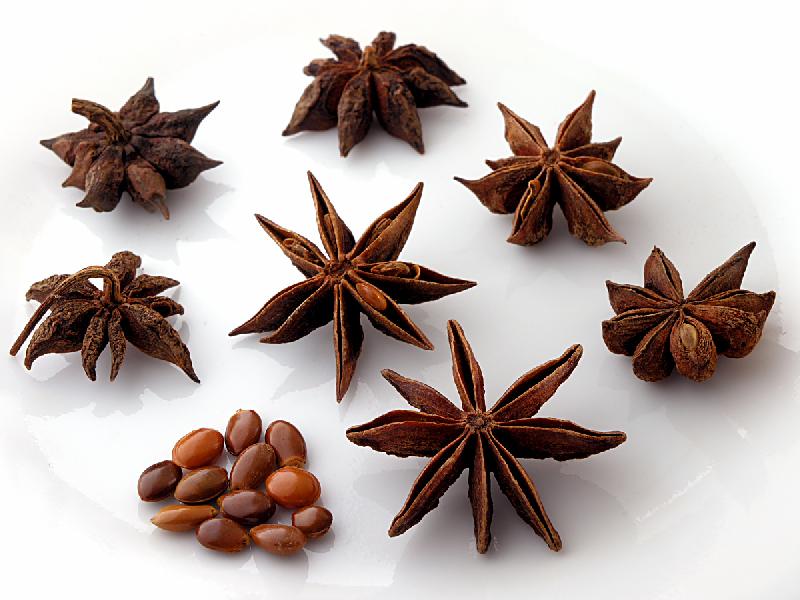
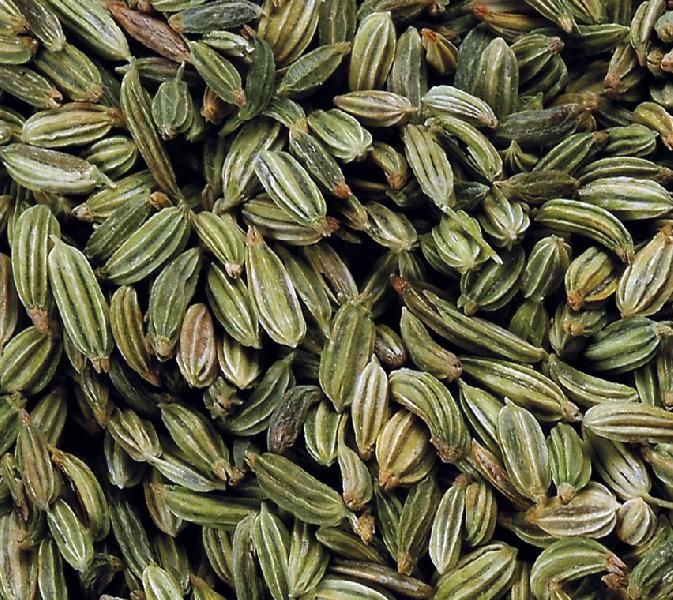
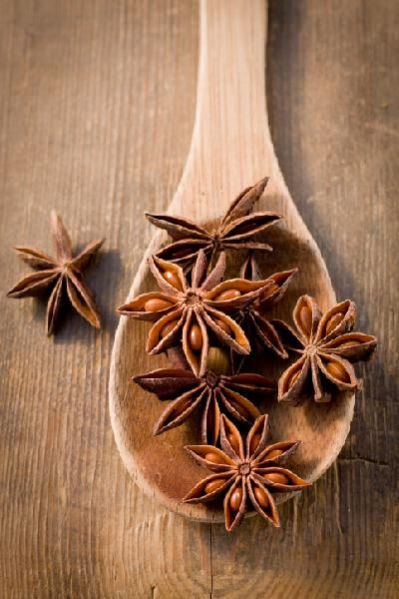
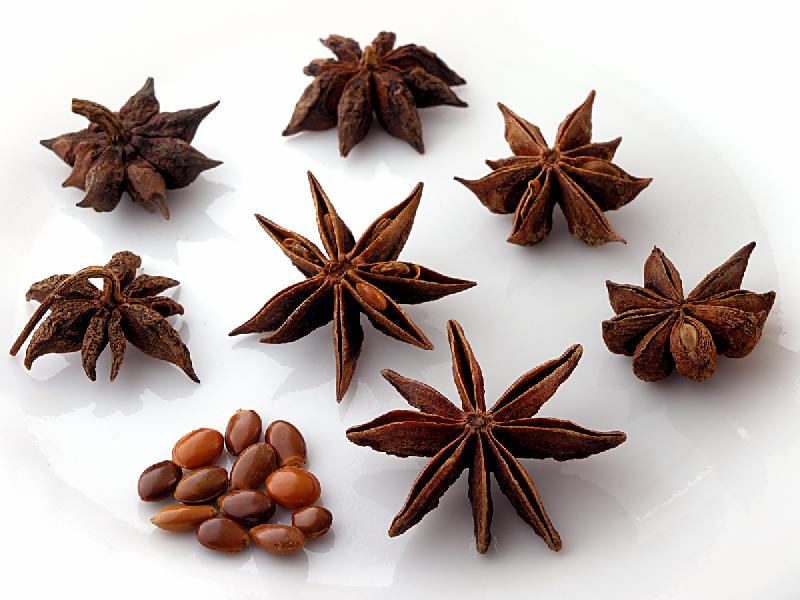
Anise is a perennial herbal plant; generally, grows up to a height of about 2 feet. It bears white colored umbelliform flowers by July, and harvested by bringing down the whole plant once its seed-heads matured enough on the plant itself. Its seeds then separated from the flower heads by threshing. Anise seeds feature oblong or curved, comma shape, about 3-4 mm long, light brown color and fine stripes over its outer surface. The seeds feature delicately sweet and aromatic bouquet with a distinctive liquorice flavor. Their special fragrance is due to essential oil, anethole in them. Star anise (Illicium verum) is a spicy fruit, obtained from evergreen tree native to South-West China. It has similar flavor and taste like that of anise seed. Star-anise tree bears star-shaped fruits which turn rust-red color when ripen. Interiorly, these fruits envelope amber-colored seeds. Both the seed as well as fruit husks used as spice in cooking.
Health benefits of anise :
Selection and storage :
Medicinal use :
Anise seed as well its oil found application in many traditional medicines for their distinctive health promoting and disease preventing roles.
Culinary uses :
Anise seeds, its oil as well as fresh young leaves used in cooking. The flavor may be heightened by gentle toasting the seeds. Its seeds impart sweet-aromatic flavor and employed in variety of savory and sweet dishes. The whole seeds, and oftentimes freshly ground powder can be added to the recipes at the last moment to limit the evaporation of essential volatile oils in them.
| Principle | Nutrient Value | Percentage of RDA |
|---|---|---|
| Energy | 337 Kcal | 0.17 |
| Carbohydrates | 50.02 g | 0.38 |
| Protein | 17.60 g | 0.31 |
| Total Fat | 0.79 | 15.90 g |
| Cholesterol | 0 mg | 0 |
| Dietary Fiber | 14.6 g | 0.38 |
| Vitamins | ||
| Folates | 10 µg | 0.03 |
| Niacin | 3.060 mg | 0.19 |
| Pantothenic acid | 0.797 mg | 0.16 |
| Pyridoxine | 0.650 mg | 0.5 |
| Riboflavin | 0.290 mg | 0.22 |
| Thiamin | 0.340 mg | 0.28 |
| Vitamin A | 311 IU | 0.11 |
| Vitamin C | 21 mg | 0.35 |
| Electrolytes | ||
| Sodium | 16 mg | 0.01 |
| Potassium | 1441 mg | 0.31 |
| Minerals | ||
| Calcium | 646 mg | 0.65 |
| Copper | 0.910 mg | 1.01 |
| Iron | 36.96 mg | 4.62 |
| Magnesium | 170 mg | 0.43 |
| Manganese | 2.300 mg | 1 |
| Phosphorus | 440 mg | 0.63 |
| Selenium | 5.0 mg | 0.09 |
| Zinc | 5.30 mg | 0.48 |



Connect with us





 For Buyer
  For Seller
  Help
Help 

 Kodambakkam, Chennai, Tamil Nadu
 Send Enquiry