
Company Information
 Member Since 4 Years
 Nature of Business Manufacturer
Ask for more detail from the seller
Contact Supplier
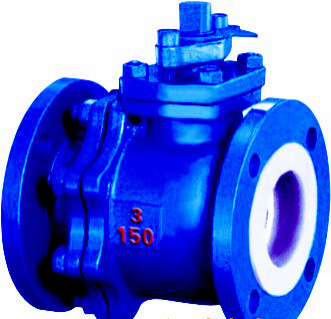
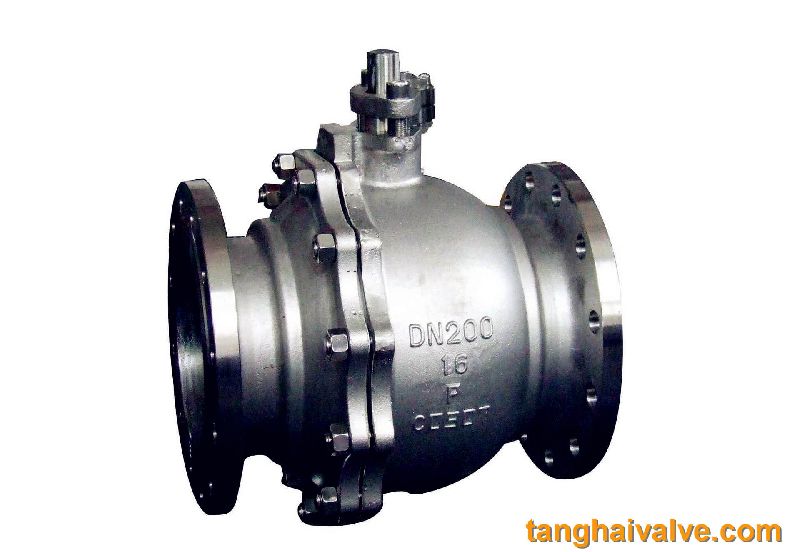
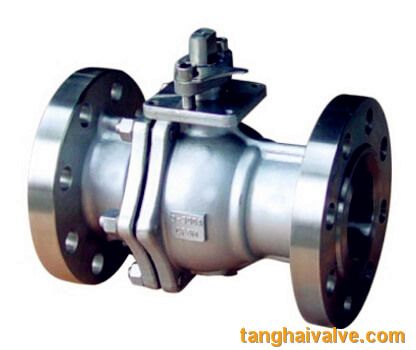
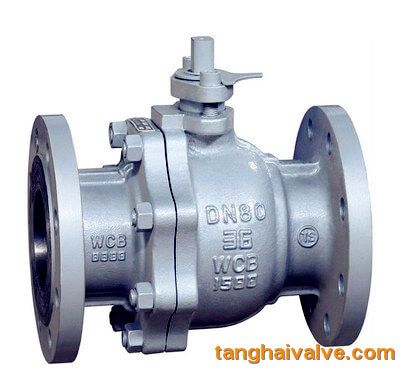
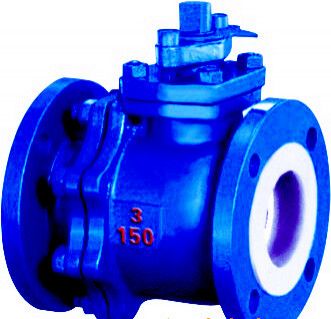
Ball valve is a valve whose opening and closing parts (balls) are driven by a valve stem and rotates around the axis of the ball valve. It can also be used for fluid regulation and control. The ball valve is mainly used in the pipeline to cut off, distribute and change the flow direction of the medium. It only needs to be operated with a rotation of 90 degrees and a small torque to close tightly. Ball valves are most suitable for switching and shut-off valves
With the continuous improvement of production technology and product structure, ball valves have rapidly developed into a major type of valve, and the use of ball valves is increasing year by year.
Ball valve features
Advantages:
Has the lowest flow resistance (actually 0)
Can be reliably used in corrosive media and low-boiling liquids
It can achieve complete sealing in a large pressure and temperature range
Can achieve fast opening and closing, no impact operation
The spherical closure can be automatically positioned at the boundary position
The working medium is reliably sealed on both sides
The medium passing through the valve at high speed will not cause corrosion of the sealing surface
Compact structure and light weight, it can be considered as the most reasonable valve structure for low temperature medium system
The valve body is symmetrical, especially the welded valve body structure, can well bear the stress from the pipeline
The closing piece can withstand the high pressure difference when closing
The ball valve with fully welded body can be buried directly underground, so that the internal parts of the valve are not eroded, and the maximum service life can reach 30 years. It is the most ideal valve for oil and natural gas pipelines.
Disadvantages:
Because the main seat sealing material of ball valve is PTFE, whenit becomes hard, the reliability of the seal will be destroyed. It can only be used at less than 180℃. In the case of long-term use, it is generally only used at 120 ℃.
Its regulating performance is worse than that of globe valve



Connect with us





 For Buyer
  For Seller
  Help
Help 
 Tianjin
  Send Enquiry