
Company Information
 Member Since 10 Years
 Nature of Business Supplier Year of Establishment 2004
Ask for more detail from the seller
Contact Supplier
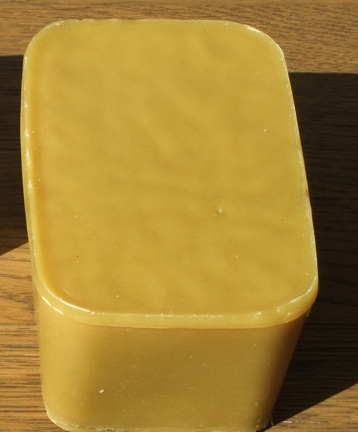
We are manufacturer, distributors and exporters of beeswax.
Beeswax sources:
beeswax is produced by the (female) worker honeybees. The wax is secreted from wax glands on the underside of the bee’s abdomen and is molded into six-sided cells which are filled with honey, then capped with more wax. When honey is harvested, the top layer of wax that covers the cells, or the capping, must be removed from each hexagon-shaped cell.
Applications:
beeswax is used commercially to make fine candles,cosmetics and pharmaceuticals including bone wax(cosmetics and pharmaceuticals account for 60% of total consumption), in polishing materials (particularly shoe polish and future polish) and as a component of modelling waxes.
Beeswax candles are preferred in most eastern orthodox churches because they burn cleanly, with little or no wax dripping down the sides and little visible smoke. Beeswax is also prescribed as the material (or at least a significant part of the material) for the paschal candle ("easter candle") and is recommended for other candles used in the liturgy of the roman catholic church.
It is also used as a coating for cheese, to protect the food as it ages.
The burning characteristics of beeswax candles differ from those of paraffin. A beeswax candle flame has a "warmer," more yellow color than that of paraffin, and the color of the flame may vary depending on the season in which the wax was harvested.
As a skin care product a german study found beeswax to be superior to similar "barrier creams" (usually mineral oil based creams, such as petroleum jelly), when used according to its protocol. It is also used to make cutler's resin.
It is also used to give sweets such as floral gums their floral taste.



Connect with us





 For Buyer
  For Seller
  Help
Help 

 Gauteng
 Send Enquiry