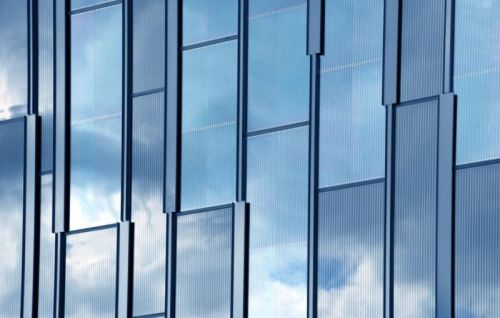
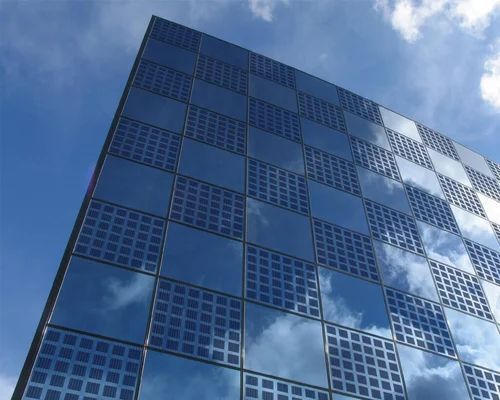
ApplicationBIPV Solar Glass Systems Are Used To Integrate Solar Energy Generation Directly Into Building Surfaces, Such As Windows, Façades, And Roofs, While Serving As Functional Architectural Elements.
Country of OriginChina
CertificationISO 9001:2008
Driven TypeSolar
Brand NameCadmium Telluride Laminated glass
ConditionNew
Powerdepends on the Area
FeatureBIPV Solar Glass Systems Feature Integrated Energy Generation, Durability, Aesthetic Flexibility, Tr
Efficiency Ranges10% to 18% for Commercial Product
Mechanical PropertiesHigh Uv Radiation, Temperature Fluctuations, and Rain.
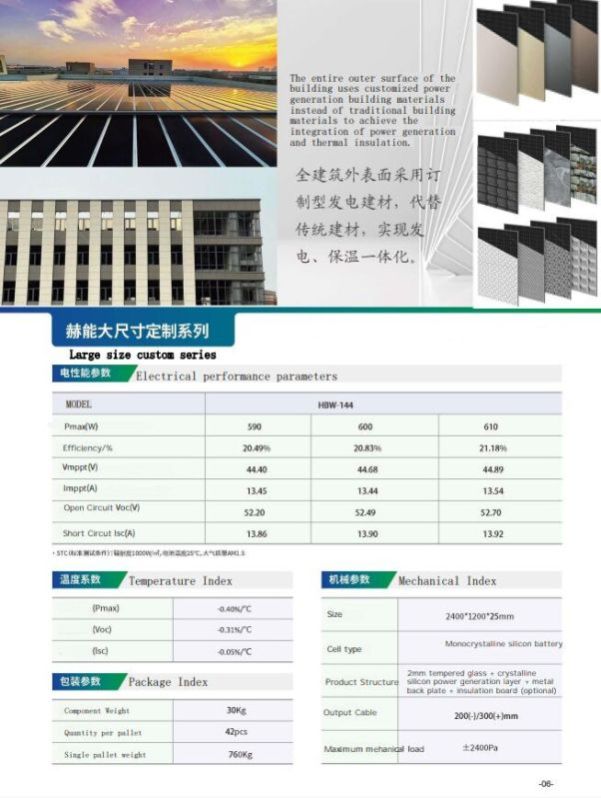
Building-Integrated Photovoltaics. It refers to photovoltaic materials that are integrated directly into the building envelope—such as roofs, façades, windows, or walls—replacing conventional construction materials. Unlike traditional solar panels that are added onto a building, BIPV systems are designed to serve as both building materials and energy generators.
Key Features of BIPV:
Dual Functionality: They provide the structural function of a building component (e.g., roofing, cladding) while also generating renewable energy.
Aesthetics: BIPV systems blend seamlessly into the architecture of the building, offering a more visually appealing alternative to traditional solar installations.
Energy Efficiency: By generating electricity on-site, BIPV helps reduce reliance on external power sources, lowering energy costs and carbon emissions.
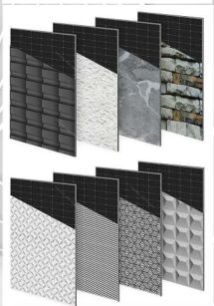
Customizability: BIPV materials can be tailored in terms of size, shape, color, and transparency to suit specific design needs.Common Types of BIPV Products:
Photovoltaic Roof Tiles/Shingles: Installed in place of conventional roofing materials.
Photovoltaic Glass: Used in windows, skylights, or facades, often semi-transparent.
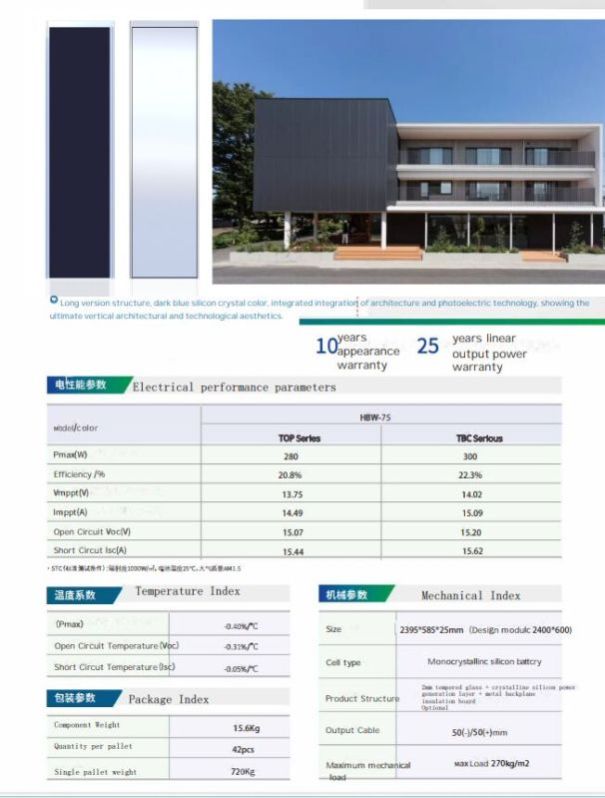
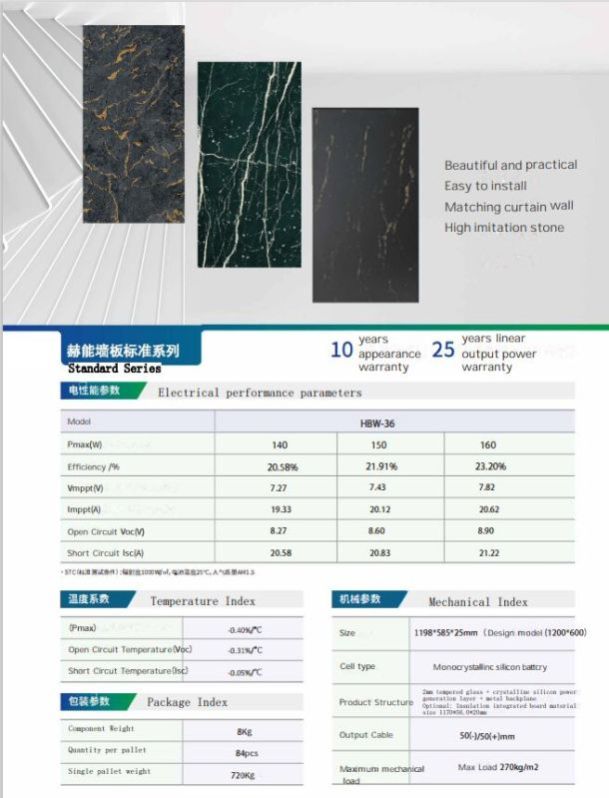
Facade Panels: Integrated into walls as part of the exterior cladding.
Solar Canopies: Used for walkways, awnings, or carports.
Advantages of BIPV:
Reduces material and labor costs by combining power generation with construction.
Enhances building aesthetics compared to traditional solar panels.
Supports sustainability goals and compliance with green building standards.
Applications:
BIPV is used in residential, commercial, and industrial buildings. It's especially popular in projects aiming for net-zero energy or LEED certification.If you’re considering BIPV for a project, it’s worth consulting with architects and energy specialists to determine the best solution for your specific building design and energy goals.
Interested in this product? Ask for more details & Latest Price from seller

 Member Since 1 Year
 Nature of Business Supplier
 GST No. 07ACHFA3208M1ZE









 For Buyer
  For Seller
  Help
Help 

 Ajmeri Gate, Delhi
 Send Enquiry