
Company Information
 Member Since 8 Years
 Nature of Business Retailer
Ask for more detail from the seller
Contact Supplier
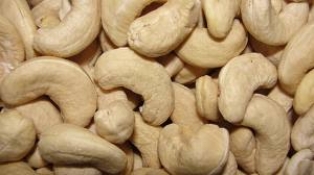
Botanically, cashew is an average sized tropical evergreen tree belonging to the Anacardiaceae family, in the genus: Anacardium. Cashews, unlike other oily tree nuts, contain starch to about 10% of their weight. This makes them more effective than other nuts in thickening water-based dishes such as soups, meat stews, and some Indian milk-based desserts. Many southeast Asian cuisines use cashews for this unusual characteristic, rather than other nuts.
Cashew nuts are abundant sources of essential minerals. Minerals, especiallymanganese, potassium, copper, iron, magnesium, zinc, and selenium are concentrated in these nuts. A handful of cashew nuts a day in the diet would provide enough of these minerals and may help prevent deficiency diseases. Selenium is an important micronutrient, which functions as a co-factor for antioxidant enzymes such as Glutathione peroxidases, one of the most powerful antioxidants in the body. Copper is a cofactor for many vital enzymes, including cytochrome c-oxidase and superoxide dismutase (other minerals function as co-factors for this enzyme are manganese and zinc). Zinc is a co-factor for many enzymes that regulate growth and development, gonadal function, digestion, and DNA (nucleic acid) synthesis.Cashews are also good in many essential vitamins such as pantothenic acid (vitamin B5), pyridoxine (vitamin B-6), riboflavin, and thiamin (vitamin B-1). 100 g nuts provide 0.147 mg or 32% of daily-recommended levels of pyridoxine. Pyridoxine reduces the risk of homocystinuria, and sideroblastic anemia. Niacin helps prevent "pellagra" or dermatitis. Additionally, these vitamins are essential for metabolism of protein, fat, and carbohydrates at the cellular level
In India Cashew nuts are grown mainly in Tamilnadu and Kerala.
Cashew Grading:
Cashew nuts are graded in accordance with the Cashew Kernels Grading and Marking Rules, 1960 and as per AGMARK guidelines.



Connect with us





 For Buyer
  For Seller
  Help
Help 
 Civil Aerodrome, Coimbatore, Tamil Nadu
  Send Enquiry