Catalase Enzyme in Sugar, Ethanol, and Distillery IndustriesCatalase is an oxidoreductase enzyme that decomposes hydrogen peroxide (H₂O₂) into water and oxygen, playing a crucial role in industries dealing with oxidative stress and sanitization. Its application in sugar, ethanol, and distillery sectors is both functional and process-optimizing.
🧪
1. What is Catalase?- Enzyme type: Oxidoreductase
- Reaction:2H2O2→2H2O+O2↑2H₂O₂ → 2H₂O + O₂↑2H2O2→2H2O+O2↑
- Source: Commonly derived from microbial sources such as Aspergillus niger, Bacillus subtilis, or bovine liver.
🏭
2. Applications in Sugar, Ethanol & Distillery Industries✅
A. Sugar Industry- Use of H₂O₂: Hydrogen peroxide is used for decolorizing sugar juice.
- Catalase role: Removes residual H₂O₂ post-treatment, ensuring:
- No oxidative damage to sugar crystals
- Compliance with food safety norms
- Benefits:
- Improves purity and brightness of sugar
- Avoids unwanted oxidation reactions
✅
B. Ethanol Industry- In fermentation tanks, catalase is used to:
- Eliminate residual H₂O₂ (from CIP – Clean-in-Place operations)
- Protect yeast and enzymes from oxidative damage
- Before yeast inoculation:
- Catalase ensures non-toxic conditions, promoting better fermentation yield
- Also used in bioethanol production for enhanced cleaning and safety
✅
C. Distilleries- During distillation or CIP cycles:
- Residual hydrogen peroxide from sanitizers may remain
- Catalase neutralizes it quickly
- In grain wash or molasses fermentation, catalase ensures:
- No oxidative loss of nutrients
- Better microbial performance (yeast/lactic acid control)
📈
3. Advantages of Using CatalaseParameterBenefit
| Safety | Removes harmful peroxide residues |
| Yield | Increases fermentation efficiency |
| Compliance | Meets food-grade and pharma standards |
| Cleanliness | Enhances CIP performance |
| Quality | Reduces oxidative spoilage in sugar/ethanol |
🧴
4. Formulations & Dosage
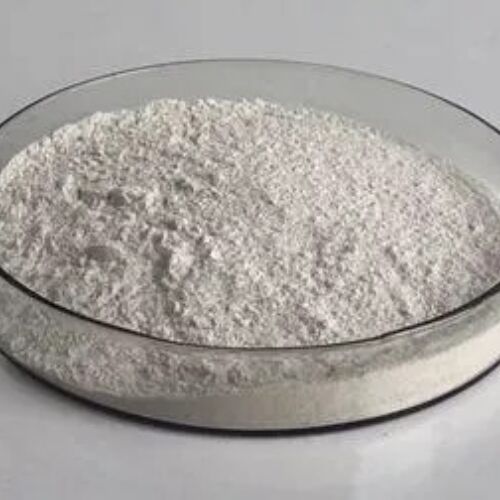
- Forms: Liquid (stabilized), Powder (freeze-dried)
- Typical Dosage:
- 10–200 ppm depending on H₂O₂ concentration
- Must be inactivated before downstream processing if residuals are not acceptable
 Users should verify the drug license and prescription before buying or selling medicines..

 Member Since 5 Years
 Nature of Business Trader
 GST No. 36BBNPS1230B1ZY
  Address 4th Floor, Aparna Astute, Survey Nos. 75/A & 76 Corresponding to New Sy. No’s. 103 & 104, Correlated to T.S. Nos. 15/1, 2 & 3 of Shaikpet, Shaikpet, Hyderabad, Telangana, 500008, IN






 For Buyer
  For Seller
  Help
Help 
 Twitter
 WhatsApp
 Facebook
 Linkedin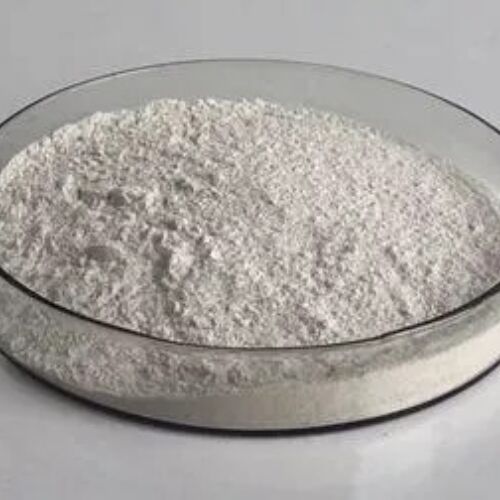
 1,500 -