
Products / Services
  • Products / Services
  • Companies
  • Buy Leads
    Post Buy Requirement

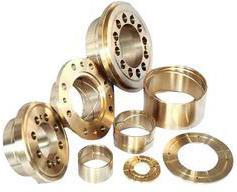
    Centrifugal Casting

    • Supply TypeSupplier, Retailer
    • Preferred Buyer Location All over the world

    This process can be Sand Mouldegorized as similar to that of  permanent mold method, Here as the molten metal is being poured,  a permanent metal mold revolved about its axis at high speeds....
    View More Details
    Send Enquiry

    Company Information

    • calendar Member Since 16 Years
    • building Nature of Business Retailer
    • Year of Establishment 2000

    Ask for more detail from the seller

    Contact Supplier
    Report incorrect details
    • Product Details

    • Company Details

    no_img_icon

    This process can be Sand Mouldegorized as similar to that of  permanent mold method, Here as the molten metal is being poured,  a permanent metal mold revolved about its axis at high speeds ranging from 300 to 3000 rpm. This can be in horizontal, vertical or inclined positions. As a result, the molten metal is centrifugally thrown towards the inside mold wall. There is solidifies after cooling. It’s usually a fine grain casting with a very fine-grained pouter diameter.

    Molds for Centrifugal castings can be divided into three types :

    • The Permanent Mold:  Made of steel, iron or graphite. Inside surface is coated with a thin refractory wash to increase mold life. The mold is preheated before coating, so as to dry the coating and improve the adherence to the mold surface.
    •  Rammed Mold: It consists of a steel metal flask, lined with a layer of refractory molding mix. The inside lining is coated with a refractory wash which is baked until dry and hard.
    •  Spun or Centrifugally Cast Mold: In the metal flask a predetermined mass of refractory materials in slurry form is poured.
      The flask on rotation makes the refractory materials centrifuged onto the wall of the flask. The rotation is stopped and the liquid portion of the slurry drained off. It leaves the mold with a refractory coating, to be baked until dry before use.
       
      Features of Centrifugal Casting :
      •  Castings can be made is almost any length, thickness and diameter.
      •  Different wall thicknesses can be produced from the same size mold
      •  Eliminated the need for cores.
      •  Resistant to atmospheric corrosion, a typical situation with pipes.
      •  Mechanical properties of centrifugal castings are excellent
      •  Only cylindrical shapes can be produced with this process.
      •  Size limited are up to 3m (10 feet)  diameter and 15m(50  feet) length
      •  Wall thickness range from 2.5mm to 125 mm (0.1-5.0in)
      •  Tolerance Limit : On the OD can be 2.5 mm (0.1 in ) on the IS can be 3.8mm(0.15in)
      •  Surface finish ranges from 2.5 mm to 12.5 mm(0.1 -0.5in)rms
        
      AppliSand Mouldion :
      Typical materials that can be cast with this process are iron, steel, stainless steels and alloys of aluminium, copper and nickel. Two materials can be cast by introducing a second material during the process. Typical parts made by this process are pipes, boilers, pressure vessels, fly wheels, cylinder liners and other parts that are ax-symmetric.
       
      Type of Centrifugal Casting:
      •  Semi-Centrifugal Casting
      •  Centrifugin


    Share your requirements for a quick response!
    Tell us what you need?

    Looking for Centrifugal Casting?

    Quantity
    Seller Contact Details
    To list your productBoost Your Business Visibility WorldwideRegister Now
    To list your productBoost Your Business Visibility WorldwideRegister Now
    Waiting for permission
    To search by voice, go to your browser settings and allow access to microphone

    Allow microphone access to search with voice