Product Specifications
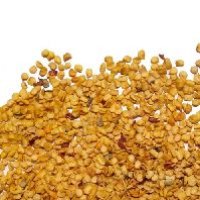
The chili pepper is a major spice crop belonging to the Solanaceae family and the *Capsicum* genus. Its pungency is attributed to a compound called capsaicin. It aids digestion and is rich in Vitamin C; however, excessive consumption can cause stomach irritation. In India, it is widely utilized in both its green (fresh) and red (dried) forms. Key Information about Chilies: Botany: Botanically, the chili pepper is classified as a 'berry.' Types/Varieties: Prominent Indian varieties include Byadgi (mildly pungent), Guntur, Jwala, Sannam, and Bhut Jolokia (extremely pungent). Plant Structure: It is an annual or perennial shrub-like plant characterized by solitary flowers and fruits that typically hang downwards. Uses: It is used to add pungency to food, as well as in chutneys, pickles, sauces, and spice blends. Cultivation: Light, fertile, and well-drained soil (with a pH of 6–7) is ideal for chili cultivation. It can be grown year-round in subtropical climates. Health Benefits: Aids Digestion: It stimulates digestive enzymes. Nutrients: Red chilies contain significant amounts of Vitamins A, C, and K. Pain Relief: Capsaicin is also utilized in pain-relieving medications. Precautions: Excessive Consumption: Consuming chilies in very large quantities may lead to stomach irritation and acidity issues. Allergies: Some individuals may be allergic to chilies; therefore, caution should be exercised.


Company Information
 Member Since 7 Years
 Nature of Business Retailer
 GST No. 27BCUPP7038L1ZO
  Address Shop No. F-1, New Market Yard Ring Road, New Mondha, Jalna, Maharashtra, 431203, IN
Ask for more detail from the seller
Contact Supplier

Connect with us





 For Buyer
  For Seller
  Help
Help 
 Twitter
 WhatsApp
 Facebook
 Linkedin