
Company Information
 Member Since 10 Years
 Nature of Business Supplier
Ask for more detail from the seller
Contact Supplier
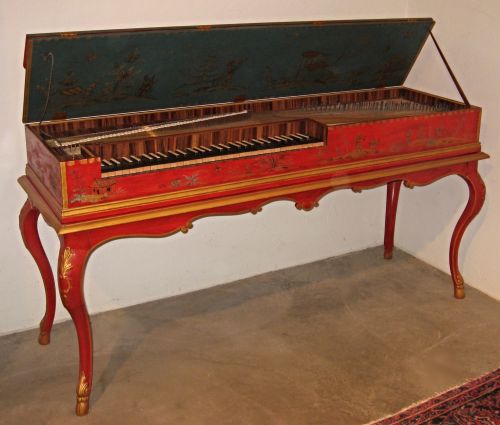
Over the last 43 years, I have made 57 clavichords. Yet, of all the keyboard instruments I have made, it was the search for how to make a good clavichord that was the most elusive. One would think all you have to do is make a rectangular box, insert a keyboard, soundboard and strings, then add the tangents and you have a clavichord. Its a nice thought as long as you don't care a whit how the result sounds or plays. When I play the antique clavichords, I am struck by how sophisticated they sound and play, especially the "Bauerninstrumenten", clavichords made in the winter by farmers to keep themselves occupied. The same cannot be said of most clavichords made since 1900 as their effect is decidedly underwhelming. They either sound like a box of rubber bands and feel squishy, like playing on sponges, or they sound like a bad harpsichord with almost no sound and what sound there is has no dynamic properties.
At their very best, clavichords should have the sound of thought. If this idea is new to you, focus for a while on your own thoughts and calculate how "loud" they are. Thought sounds extremely intense when empassioned with meaning. Thought ranges in volume from the faintest whisper to the loudest conceivable energy level. It is a paradox because the clavichord is almost dismissively soft even when played loudly...but then, as you will have concluded from your brief experience with thinking this way, only we alone can hear our own thoughts. Thought changes in affect according to what is being thought about, and sings irrepressibly when moved by love or enchantment. It is for this reason that I place the quality of being enchanting as foremost of all qualities that a clavichord should have. Though not always an obvious quality, enchantment has the power to make us want to play the instrument every time we come near the instrument...like a subtle compulsion. It is what I aim for in each clavichord I build.



Connect with us





 For Buyer
  For Seller
  Help
Help 
 United States
  Send Enquiry