
Company Information
 Member Since 6 Years
 Nature of Business Manufacturer Year of Establishment 2009
Ask for more detail from the seller
Contact Supplier
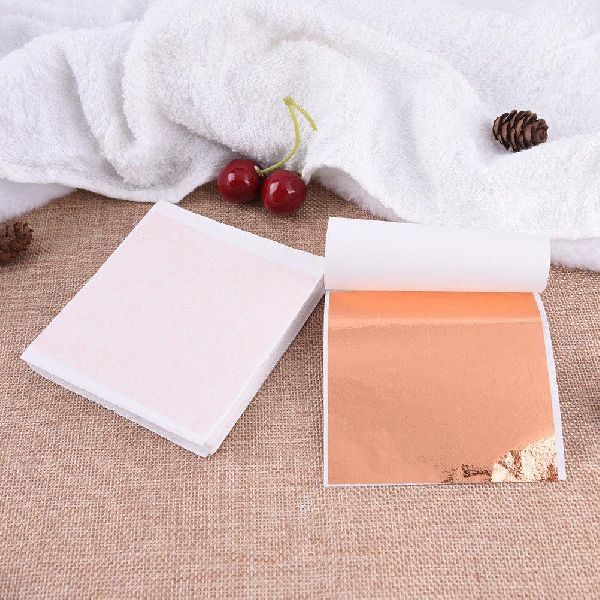
Description (italian copper flakes)
add a unique effect to your artwork or decorations
broken leaf is a stack of small, irregular-sized leaves which, when used in gilding, give a more textured, 3-dimensional finish to the object being gilded than the that of traditional square leaves. The name 'broken leaf' comes from the traditional process of beating gold, silver, copper and aluminum into thin sheets of metal leaf. The broken pieces from the edges and corners of the sheets are collected as copper flakes for bringing a unique effect to artwork
let your imagination loose!
let your crafting juices flow and turn everyday household objects into conversation starters on your coffee table or, or striking serving dishes for your dinner parties. Bring the wow factor to any craft project you have planned. Apply them to furniture or even sections of wall in your house. The possibilities are endless!
good for business!
if you are in the arts and crafts business selling your own handmade designs, these schabin flakes will make every piece you create unique and certainly help them stand out from the crowd.
Easy to use!
whilst professional artists and sculptors may use this product, you certainly do not need to be an experienced gilder to work with it. It can be applied using standard gilding size (adhesive) and simple gilding techniques. And of course, adding it to homemade slime could not be easier but watch their faces light up when you do!
features & details
add an extra dimension to your artwork - these imitation copper leaf flakes can be applied easily using gilding size and create a stunning shiny textured effect.
Turn everyday objects into works of art - take a simple, plain object like a bowl, vase or candle and turn it into something that looks unique and valuable.
Easy to use - apply using gilding adhesive and standard gilding techniques. The flakes in this jar will cover approximately 8 square feet when applied to a flat surface, depending on how much you overlap t



Connect with us





 For Buyer
  For Seller
  Help
Help 

 Mira Road, Mumbai, Maharashtra

 Send Enquiry