

Company Information
 Member Since 1 Year
 Nature of Business Manufacturer Year of Establishment 2022
Ask for more detail from the seller
Contact Supplier
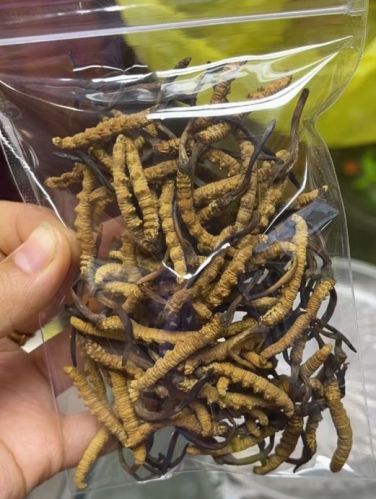
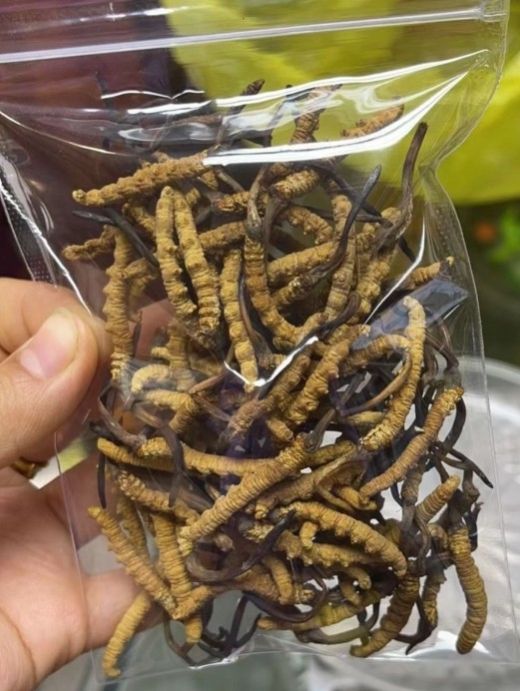
Cordyceps sinensis, a rare and exotic fungus, has been a cornerstone in traditional Chinese medicine for centuries. This unique fungus grows at high altitudes in the Himalayas and Tibetan Plateau, typically between 3,500 to 5,000 meters above sea level.
*What is Cordyceps sinensis?*
Cordyceps sinensis is a parasitic fungus that infects the larvae of certain insects, typically caterpillars. As the fungus grows, it eventually kills the host and produces a fruiting body that resembles a small, brown stick. The fungus and the infected caterpillar are harvested together, which is why Cordyceps sinensis is often referred to as "caterpillar fungus."
*Traditional Uses*
Cordyceps sinensis has been used in traditional Chinese medicine for its numerous health benefits, including:
1. *Immune system support*: Cordyceps sinensis is believed to boost the immune system and increase the body's resistance to disease.
2. *Antiviral and antibacterial properties*: The fungus has been shown to have antiviral and antibacterial effects, making it a potential treatment for various infections.
3. *Anti-aging and antioxidant effects*: Cordyceps sinensis is thought to have anti-aging properties, reducing oxidative stress and promoting overall health.
4. *Improved physical performance*: The fungus is believed to enhance physical performance, increase stamina, and reduce fatigue.
*Modern Research*
Modern research has confirmed some of the traditional uses of Cordyceps sinensis, including:
1. *Immunomodulatory effects*: Studies have shown that Cordyceps sinensis can modulate the immune system, increasing its response to infection and disease.
2. *Antitumor and anticancer properties*: The fungus has been found to have antitumor and anticancer effects, making it a potential adjunct therapy for cancer treatment.
3. *Antioxidant and anti-inflammatory effects*: Cordyceps sinensis has been shown to have antioxidant and anti-inflammatory effects, reducing oxidative stress and inflammation.
*Conservation Status*
Cordyceps sinensis is listed as an endangered species due to overharvesting and habitat degradation. Efforts are being made to conserve and sustainably harvest the fungus, as well as cultivate it artificially.
*Cultivation and Availability*
Due to its rarity and high demand, Cordyceps sinensis is often cultivated artificially using various methods, including solid-state fermentation and liquid-state fermentation. This has made the fungus more accessible and affordable for use in dietary supplements and traditional medicine.
*Conclusion*
Cordyceps sinensis is a unique and fascinating fungus with a rich history in traditional Chinese medicine. Its potential health benefits, including immune system support, antiviral and antibacterial properties, and anti-aging effects, make it a valuable ingredient in traditional medicine. However, its conservation status and limited availability highlight the need for sustainable harvesting and cultivation practices. As research continues to uncover the benefits and potential uses of Cordyceps sinensis, this fungus remains an important and highly valued component of traditional medicine.



Connect with us





 For Buyer
  For Seller
  Help
Help 

 Civil Lines, Rewa, Madhya Pradesh
 Send Enquiry