
Products / Services
  • Products / Services
  • Companies
  • Buy Leads
    Post Buy Requirement

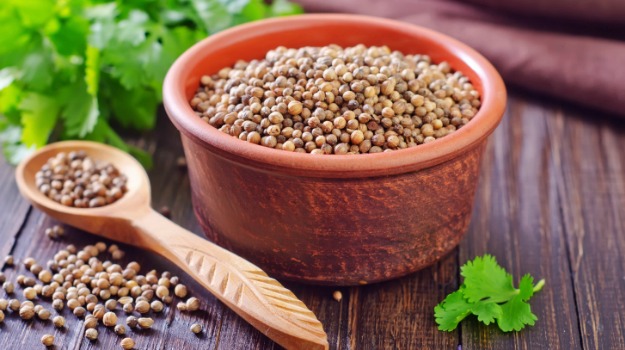
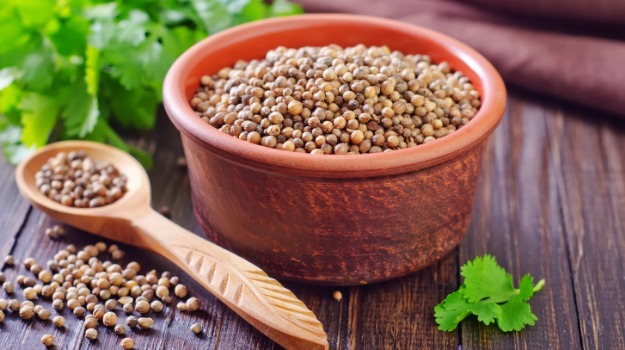
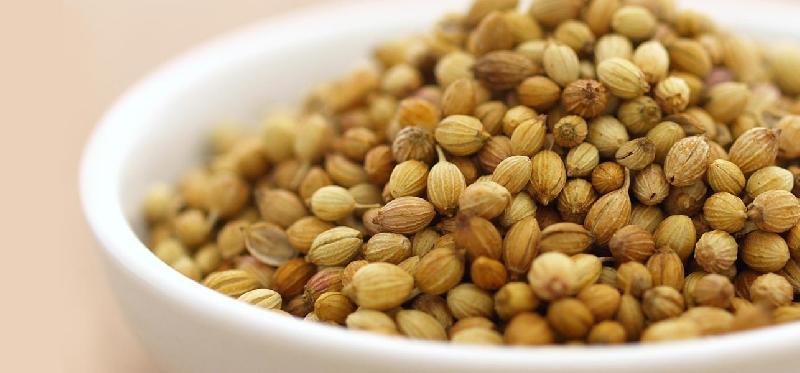
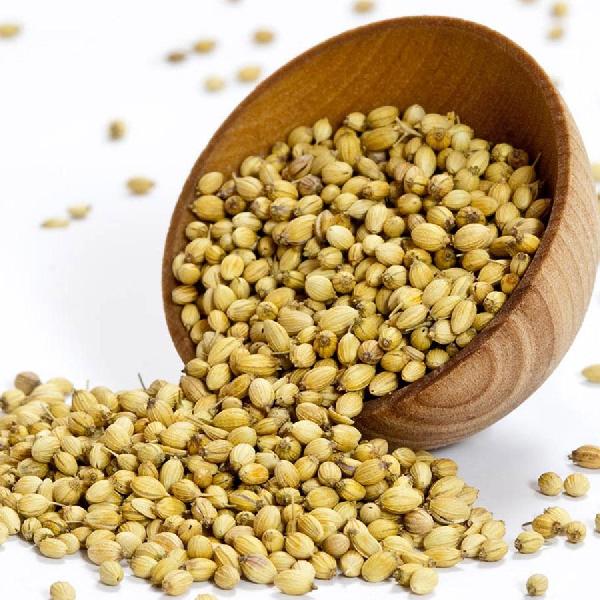
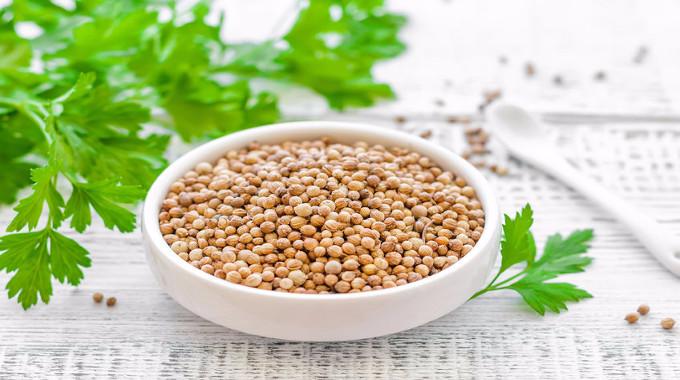
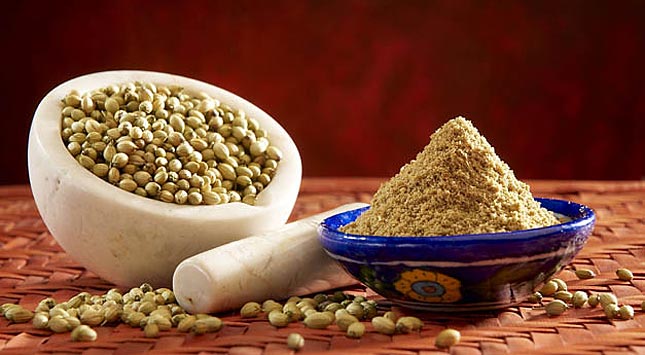
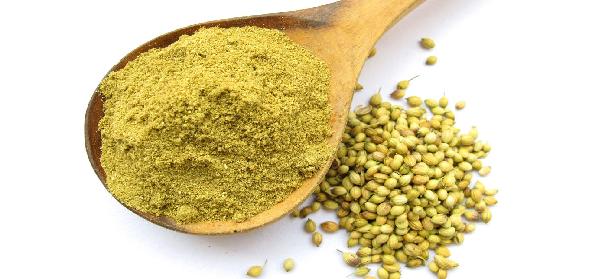
    Coriander seeds, Moisture Content : 2%

    • Supply TypeManufacturer, Exporter, Supplier
    • Preferred Buyer Location All over the world

    Have you ever caught up with gripping stomach pain? Drinking a few sips of extraction obtained from coriander seeds, dill, caraway, fennel, and aniseed from your granny's kitchen spice-box perhaps....
    View More Details
    Send Enquiry

    Company Information

    • calendar Member Since 10 Years
    • building Nature of Business Exporter
    • Year of Establishment 2014

    Ask for more detail from the seller

    Contact Supplier
    Report incorrect details
    • Product Details

    • Company Details

    no_img_icon

    Have you ever caught up with gripping stomach pain? Drinking a few sips of extraction obtained from coriander seeds, dill, caraway, fennel, and aniseed from your granny's kitchen spice-box perhaps would be the most effective carminative remedy for this ailment! Coriander is a small, hollow-stemmed plant in the Apiaceae family, in the genus: Coriandum. Its scientific name is Coriandum sativum. Pleasant, aromatic and spicy, its seeds have been found utility since ancient times in cooking as well as in various traditional medicines.
    Coriander is native to South-Eastern Europe and grown extensively all over the Europe, Middle East, China, India, and Turkey. It is recognized as cilantro in the west. This herbaceous plant grows up to 2 feet in height with branching stems, featuring deep green soft, hairless bi or tri-lobed leaves. The mature plant bears small light pink color flowers that subsequently turn into globular or oval-shaped fruits (seeds). The seeds measure about 4-6 mm in diameter with central hollow cavity containing two vertical vittae containing some important essential oils. Coriander seeds can be ready for harvest when the plant turn brown and its leaves begin to dry and fall. Immature seeds are light green and taste bitter. To harvest, the crop is cut, tied in small bundles, and sun-dried for several days. Traditionally, to separate the seeds, either the sheaves are beaten with stick or a lightweight roller used to wear off the pods.
    Health benefits of coriander seeds :

    • Coriander seeds possess many plant-derived chemical compounds that known to have been anti-oxidant, disease preventing, and health promoting properties.
    • The characteristic aromatic flavor of coriander seeds comes from their essential volatile oils and fatty acids. Some important fatty acids in the dried seeds include petroselinic acid, linoleic acid (omega 6), oleic acid, andpalmitic acid. In addition, the seeds contain essential oils such as linalool (68%), a-pinene (10%), geraniol, camphene, terpine etc. Together; these active principles are responsible for digestive, carminative, and anti-flatulent properties of the seeds.
    • As in other spices, coriander is also rich in dietary fiber. 100 g seeds provide 41.9 g of fiber. Much of this fiber is metabolically inert insoluble fiber, which helps increase bulk of the food by absorbing water throughout the digestive system and help easing constipation condition.
    • In addition, dietary fibers bind to bile salts (produced from cholesterol) and decrease their re-absorption in colon, thus help lower serum LDL cholesterol levels. Together with flavonoid anti-oxidants, fiber composition of coriander helps protect colon mucusa from cancers.
    • Its seeds are an excellent source of minerals like iron, copper, calcium, potassium, manganese, zinc and magnesium. Copper is required for the production of red blood cells. Iron is essential for cell metabolism and red blood cell formation. Zinc is a co-factor in many enzymes that regulate growth and development, sperm generation, digestion and nucleic acid synthesis. Potassium is an important component of cell and body fluids that helps controlling heart rate and blood pressure. Manganese is utilized by the body as a co-factor for the powerful anti-oxidant enzyme, superoxide dismutase.
    • Unlike other dry spice seeds that lack in vitamin C, coriander seeds contain an ample amount of this anti-oxidant vitamin. 100 g of dry seeds provide 21 mg or 35% of RDI of vitamin-C.
    • Furthermore, the seeds are the storehouse of many vital B-complex vitamins like thiamin, riboflavin, and niacin.


    Selection and storage :

    • Coriander seeds as well as its oil can be readily available in the markets year around. The seeds used as spice. Good-quality coriander seeds should release pleasant, slightly peppery flavor when squeezed between index and thumb fingers. In the store, buy whole seeds instead of coriander powder since, oftentimes it may contain adulterated spicy mix.
    • At home, store seeds in cool, dry, dark place, in airtight containers. This way, they keep well for many months and can be milled using a hand-mill whenever required. Ground or powdered coriander should be stored inside airtight containers and placed in the refrigerator. Use this spicy powder as early as possible since it loses its flavor rather quickly due to evaporation of essential oils.


    Culinary uses :
    Dried coriander seeds are one of the common spice ingredients used worldwide. In general, completely dried seeds gently roasted under low flame just before milling in order to get fine powder. Roasting releases special aromatic compounds and essential oils in the seeds.
    Here are some serving methods :
    Coriander seeds are used as flavoring agent in confectionary, stews, sausages, sweet breads, and cakes.
    Coriander leaves as well as seeds are being used as an aromatic spice in Chinese, Indian, Pakistani, Middle-eastern and European cooking.
    Russian dark rye bread, "Borodinsky bread" uses coriander seeds.
    In India, ground powder of coriander seeds is a common household spice powder that is used in pickling, chutneys, stews, curries, marinades as well as in sausages.
    Medicinal uses :

    • Along with dill, and fennel, coriander seeds are being used as a carminative and digestive items in variety of gripe water preparations.
    • The seeds are chewed as a remedy to prevent halitosis (unpleasant breath). (Medical disclaimer).


    Technical Specification

    PrincipleNutrient ValuePercentage of RDA
    Energy298 Kcal0.15
    Carbohydrates54.99 g0.42
    Protein12.37 g0.22
    Total Fat17.77 g0.6
    Cholesterol0 mg0
    Dietary Fiber41.9 g1.1
    Vitamins
    Folates1 µg<1%
    Niacin2.130 mg0.13
    Riboflavin0.290 mg0.22
    Thiamin0.239 mg0.2
    Vitamin A0 IU0
    Vitamin C21 mg0.35
    Electrolytes
    Sodium35 mg0.02
    Potassium1267 mg0.27
    Minerals
    Calcium709 mg0.71
    Copper0.975 mg1.08
    Iron16.32 mg2.04
    Magnesium330 mg0.83
    Manganese1.900 mg0.82
    Phosphorus409 mg0.39
    Zinc4.70 mg0.43

    Product Images

    • coriander seeds
    • coriander seeds
    • coriander seeds
    • coriander seeds
    • coriander seeds
    • coriander seeds
    • coriander seeds
    Share your requirements for a quick response!
    Tell us what you need?

    Looking for coriander seeds?

    Quantity
    Seller Contact Details
    • SellerINCON EXIM
    • Address Kodambakkam, Chennai, Tamil Nadu
    To list your productBoost Your Business Visibility WorldwideRegister Now
    To list your productBoost Your Business Visibility WorldwideRegister Now
    Waiting for permission
    To search by voice, go to your browser settings and allow access to microphone

    Allow microphone access to search with voice