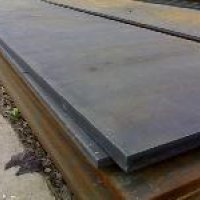
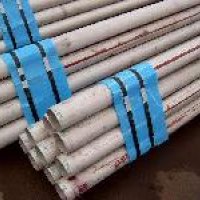
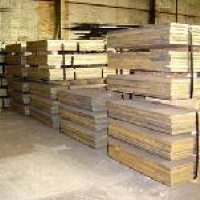
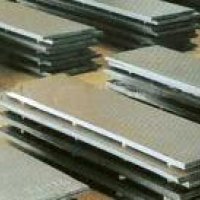
Cor-ten,Corten A,Corten Steel,A242,A558 Gr A,S355jow,
scope
cor-ten a Applies to Plates Up to 12.5mm in Thickness, Cor-ten B Applies to Plates Up to 50mm in Thickness.
definition
weathering Means that Due to Their Chemical Compositions Cor-ten a and Cor-ten B Steels, When Utilised Unprotected, Exhibits Increased Resistance to Atmospheric Corrosion Compared to Unalloyed Steels. this is Because It Forms a Protective Layer On Its Surface Under the Influence of the Weather.
the Corrosion Retarding Effect of the Protective Layer is Produced By the Nature of Its Structure Components and the Particular Distribution and Concentration of Alloying Elements in It. the Layer Protecting the Surface Develops and Regenerates Continuously When Subjected to the Influence of the Weather.
formation, Duration of Development and Protective Effect of the Covering Layer On Weathering Steels Depend Largely Upon the Corrosive Character of the Atmosphere. Its Influence Varies and Depends Mainly Upon General Weather Condition (e.g. Continental) Macroclimate (e.g. Industrial, Urban, Maritime or Countryside Climate) and the Orientation of the Structure Components (e.g. Exposed to or Shaded from the Weather, Vertical or Horizontal Position). the Amount of Aggressive Agents in the Air Has to Be Taken Into Account . in General the Covering Layer Offers Protection Against Atmospheric Corrosion in Industrial, Urban and Countryside Climate.
when Utilising this Steel in Unprotected Condition It is Up to the Designer to Take Into Account the Expected Loss of Thickness Due to Corrosion and as Far as Necessary, Compensate for It By Increasing the Thickness of the Material.
in Cases of Particular Air Pollution By Aggressive Agents Conventional Surface Protection is Recommended. Coating is Absolutely Necessary in Cases of Contact with Water for Long Periods, When Permanently Exposed to Moisture, or if It is to Be Used in the Vicinity of the Sea. the Susceptibility of Paint Coats to Undercreepage By Rust is Less in the Case of Weathering Steel Than in the Case of Comparable Non-weathering Steel.
applications
the Steel is Used for Various Types of Welded, Bolted and Riveted Constructions E.g. Steel Frame Structures, Bridges, Tanks and Containers, Exhaust Systems, Vehicles and Equipment Constructions.
basic Guidles for the Use of this Steel in the Unprotected Condition are Described in En 10025-5 and Dast Rule 007.
the Entire Application Technology is of Fundamental Importance for the Performance of the Products Made from this Steel. It Must Be Taken Into Account that Not Only General Climate Conditions But also Specific Unfavourable Local Climate Conditions in the Broadcast Sense as Well as Details of a Construction May Affect the Corrosion Behaviour of Unprotected Weathering Steel. the Dependency On These Facts Makes It Understandable that No Warranty Can Be Given. It is Recommended to Control the Corrosion Progress of Protected Parts Out of Weathering Steel Exposed to the Influence of Weather in Reasonable Time Intervals. a Minimum Thickness of 5mm is Recommended When Exposed to the Weather in the Unprotected Condition.
to Use the Benefits of the Higher Atmospheric Corrosion Resistance of Cor-ten in Comparison to Unalloyed Steel It is Necessary that Design and Execution of Structures as Well as the Performance of Maintenance Works Allow An Impeded Formation and Regeneration of the Protective Rust Layer. the Methods Must Meet the Latest Requirements of Technical Progress and Must Be Suited for the Proposed Application. Due Consideration Must Be Given to Relevant Construction Specifications.
the Selection of the Material is Up to the Purchaser.
chemical Composition (heat Analysis, %)
grade
c
si
mn
p
s
cr
cu
v
ni
Cor-ten A
0.12
0.25-0.75
0.20-0.50
0.07-0.15
0.030
0.50-1.25
0.25-0.55
0.65
Cor-ten B
0.16
0.30-0.50
0.80-1.25
0.030
0.030
0.40-0.65
0.25-0.40
0.02-0.10
0.40
in Order to Obtain fine Grain Structure a Sufficient Amount of Nitrogen Absorbing Elements is Added (e.g. ≥0.02% Al).
mechanical Properties, in the State of Delivery Condition
at Room Temperature for Plates ≥3mm in Thickness (transverse Test Specimans, According to En 10002). Requirements to Hot Rolled Plates ≤3mm in Thickness According to En 10025-5.
grade
minimum Yield Point (reh Mpa *)
tensile Strength
rm Mpa
minimum Elongation a (lo=5.65 √so) %
Cor-ten A
355
470-630
20
*) 1 Mpa = 1n/mm2
in Case of Cold Rolled Material the Yield Point is Min. 310 Mpa and the Tensile Strength Min. 445 Mpa. Furthermore Cold Rolled Sheets ≤3mm in Thickness Made of Steel Grade Cor-ten A-f for Increased Demand to the Cold Formability is Available. Mechanical Properties: Yield Point Min. 275 Mpa; Tensile Strength Min. 410 Mpa; Elongation Min. 25%. Tolerances On Dimensions and Shape According to En 10131.
mechanical Properties, in the State of Delivery Condition
at Room Temperature for Plates ≥3mm in Thickness (transverse Test Specimans, According to En 10002). Requirements to Hot Rolled Plates ≤3mm in Thickness According to En 10025-5.
grade
material Thickness Mm
minimum Yield Point (reh Mpa *)
tensile Strength
rm Mpa
minimum Elongation a (lo=5.65 √so) %
Cor-ten B
≤16
355
470-630
20
> 16 ≤50
345
*) 1 Mpa = 1n/mm2
the Notched-bar Impact Energy is Determined On Iso-v Longitudinal Test Specimans At a Temperature of - 20°c as An Average of Three Tests. for Product Thicknesses ≥10mm the Average Value is At Least 27 J. for Thicknesses Between 10mm and 6mm, the Minimum Impact Value is Reduced Proportionally to the Speciman Width (product Thickness).
no Impact Test is Performed On Products Below 6mm in Thickness.
number of Tests
1 Tensile Test
1 Test Specimen per 40 T from Eachheat*)
1 Notched Bar Impact Test
(3 Specimens)
1 Set Specimens per 40 T from Each Heat *)
(at Test Temperature -20°c)
*) as Referenced in En 10025-5
general Processing Information
the Information Given Below Can Only Deal with Some Important Points.
forming
the Conditions for Hot Forming are in Accordance with Those Stated in En 10025-5. for Cold Forming the Statements According to Table 6 of En 10025-5 are Valid. if the Mechanical Properties have Undergone Changes Due to Cold Forming, the Properties Indicated in the Table Can Be Substantially Restores By Stress Relieving - At Least 30 Minutes At 530°c - 580°c. for Higher Degrees of Cold Forming Subsequent Normalising is Recommended.
flame Cutting
cor-ten is Suitable for Flame Cutting Provided Proper Operating Methods are Used. At Temperatures Below 5°c a Sufficiently Wide Zone On Either Side of the Intended Cut Should Be Preheated. if Flame Cut Edges are to Undergo Cold Forming, the Hardening Effect Should Be Prevented By Preheating - as in the Case of S355j2 or the Hardened Zones Must Be Worked Off E.g. By Appropriate Grinding.
welding
cor-ten Can Be Welded Both Manually and Mechanically, Provided the General Rules of Welding Practices are Observed. a Prerequisite for Obtaining Identical Mechanical Properties in the Weld and in the Base Material is the Application of Suitable Welding Consumables and the Choice of Appropraite Welding Conditions. to Consider are En 10025-5 - Technical Delivery Conditions for Structural Steels with Improved Atmospheric Corrosion Resistance
recommendations for Welding are also Given in En 1011 Part 1 and Part 2 - Welding, Recommendations for Welding of Metallic Materials-.
lime Basic Electrodes, Inert-gas Welding Wire, and Wire/power Combinations Equivalent to the Tensile Strength of S355 are Used as Welding Consumables
for Unprotected Use Care Must Be Taken that the Welded Joint is also Weather Resistant. this is Possible By Using Welding Consumables Matching the Base Material.
if Due to Design or Building Specification Stress Relieving is Required, It Should Be Performed in the Range Temperature from About 530°c to 580°c.
bolting and Riveting
joining Elements such as Bolts, Rivets and Their Accessories (nuts and Washers) Must Be So Selected that the Formation of Local Electro-chemical Cells are Avoided. the Joining Elements Should Preferably Consist of Weathering Steel.
at These Joints Capillary Action Can Lead to Permanent Moisture Resulting in Increased Corrosion. Critical Zones Should Therefore Be Protected By Painting, Sealing or other Protective Measures.
in the Case of High-strength Connections (hv) the Conditions for Non-weathering Structural Steels as Given in Din 18800 Part 1 Apply.
 Business Type Manufacturer / Exporter / Supplier / Retailer / Distributor / Importer / Trader
 Number of Employees 51 - 100
 Year of Establishment 1997
 GST No. 27AACFC7672E1ZG
  Address 390/392, Shankar Mansion, Vanita Vishram Chowk, S. V. P. Road, Sion, Mumbai, Maharashtra, 400004, IN






 For Buyer
  For Seller
  Help
Help 
 Twitter
 WhatsApp
 Facebook
 Linkedin