Disclaimer: Users are advised to independently verify the seller's applicable licences, regulatory certifications and authorisations applicable to the product, before entering into any transaction. For more details, kindly Click Here.
Product Specifications
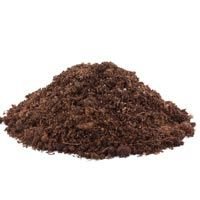
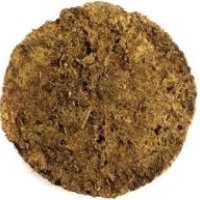
The Essential Role of Cow Dung Manure in Productive Farming
In the pursuit of higher yields and better crops, agriculture often looks for the newest solution. However, one of the most effective resources for maintaining farm health remains one of the oldest: bovine (cow) dung manure. It serves as a comprehensive soil builder that addresses the physical, chemical, and biological needs of the land.
Using cow dung manure is not just about tradition; it is about providing a balanced environment where crops can thrive. Here is a look at why this natural input remains a staple in successful farming.
1. Improving Soil Structure and Texture
One of the most immediate benefits of applying cow dung manure is the improvement of the soil's physical condition. In heavy clay soils, the organic matter helps loosen the earth, preventing it from becoming hard and compacted. This allows roots to penetrate deeper and breathe easier. Conversely, in sandy soils, it acts as a binder, helping the soil hold together. This improved structure creates the ideal "tilth" necessary for strong root development.
2. Enhanced Water Retention
Water management is a critical aspect of farming. Soil that has been treated with bovine manure has a significantly higher Water Holding Capacity (WHC). The organic matter acts somewhat like a sponge, absorbing moisture and holding it within the root zone. This is particularly beneficial during dry spells, as it ensures plants have access to moisture for longer periods, potentially reducing the frequency of irrigation required.
3. A Steady Supply of Nutrients
While synthetic fertilizers often provide a rapid burst of Nitrogen, Phosphorus, and Potassium (N-P-K), cow dung manure offers a more balanced approach. It contains these primary nutrients, but it also supplies essential micronutrients such as Calcium, Magnesium, Sulphur, and Zinc.
Furthermore, these nutrients are released slowly. As the manure breaks down over the season, it provides a consistent food source for the plants. This slow-release mechanism helps prevent "fertilizer burn"—a common issue where plants are overwhelmed by too many chemicals at once—and ensures steady growth from seedling to harvest.
4. Boosting Soil Biology
Soil is a living ecosystem, not just dirt. Cow dung is rich in beneficial bacteria and fungi. When added to the field, it kickstarts the microbial activity in the soil. These microbes play a crucial role in breaking down organic material and making nutrients "bio-available" so that plant roots can easily absorb them. A biologically active soil is generally more resilient and productive.
5. Regulating Soil pH
Continuous use of strong chemical inputs can sometimes lead to drastic changes in soil pH, making it too acidic or too alkaline for crops to grow well. Bovine manure acts as a natural buffer. It helps maintain a more neutral pH balance, creating a stable environment that supports nutrient uptake.
Summary
Incorporating cow dung manure into agricultural practices is a practical method for maintaining long-term soil health. It replenishes organic carbon, improves aeration, and ensures a diverse nutrient profile. By focusing on the health of the soil first, farmers can build a strong foundation for reliable and healthy crop production.

Company Information
 Member Since 1 Year
 Nature of Business Exporter
 GST No. 27AAUFN6304L1ZP
  Address Office No 17 Land Mark Complex Paud Road Kothrud Near Krushna Hospital, Kothrud, Pune, Maharashtra, 411038, IN
Ask for more detail from the seller
Contact Supplier

Connect with us





 For Buyer
  For Seller
  Help
Help 
 Twitter
 WhatsApp
 Facebook
 Linkedin

 150 -
150 -