

Company Information
 Member Since 1 Year
 Nature of Business Manufacturer
 GST No. 03NIMPS3314E1Z6
Ask for more detail from the seller
Contact Supplier
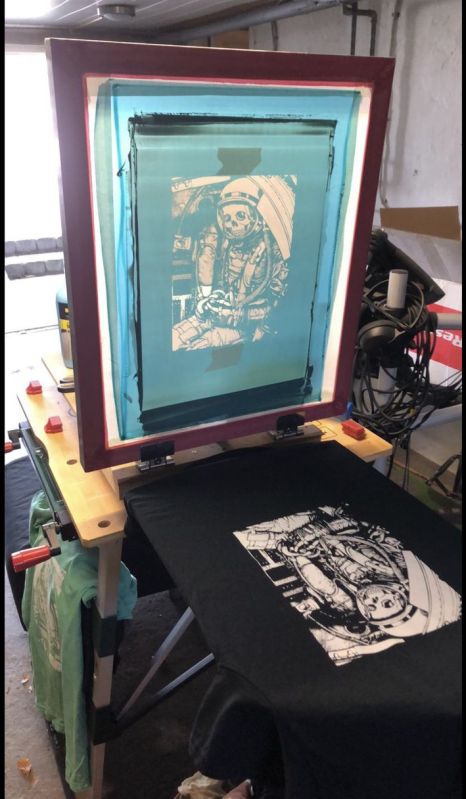
Screen printing—also known as silk screening or serigraphy—is a versatile printing technique used to transfer ink onto a surface (commonly fabric, paper, or plastic) through a mesh screen, except in areas made impermeable by a stencil.
Basic Process of Screen Printing:
Design Creation
The design is created digitally, usually using graphic software like Adobe Illustrator or Photoshop.
Screen Preparation
A mesh screen is coated with a light-sensitive emulsion.
Exposure
The design is printed on a transparent film and placed on the screen. It 's then exposed to light. The light hardens the emulsion, except where the design blocks it.
Washing Out
The unhardened emulsion (the design area) is washed out, leaving a stencil of the image.
Printing
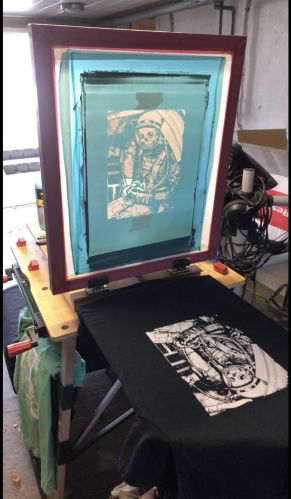
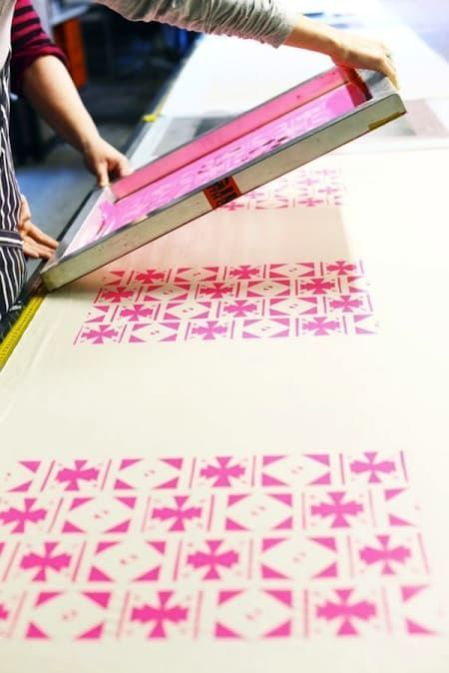
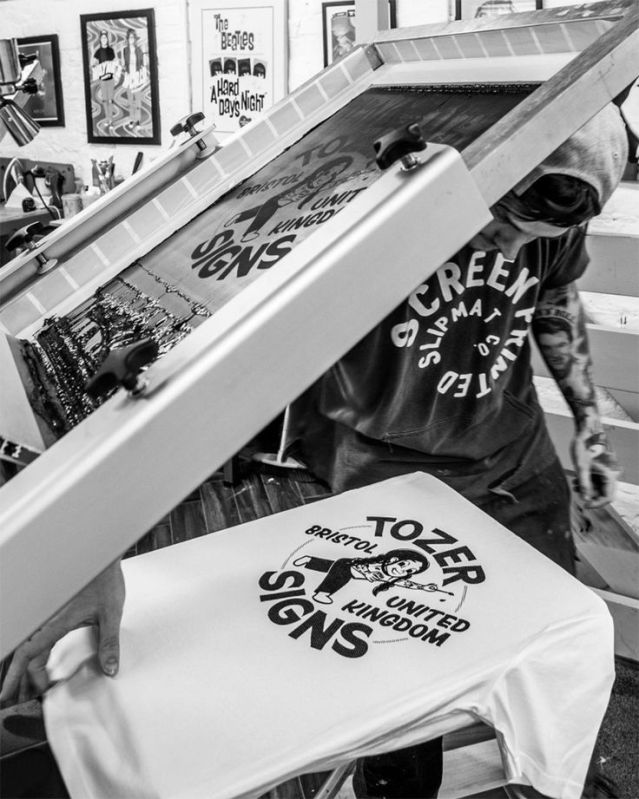
The screen is placed over the material. Ink is spread over the screen using a squeegee, pushing ink through the open mesh onto the surface.
Curing
The printed item is then dried or heat-cured so the ink sets permanently.
🖌️ Uses of Screen Printing:
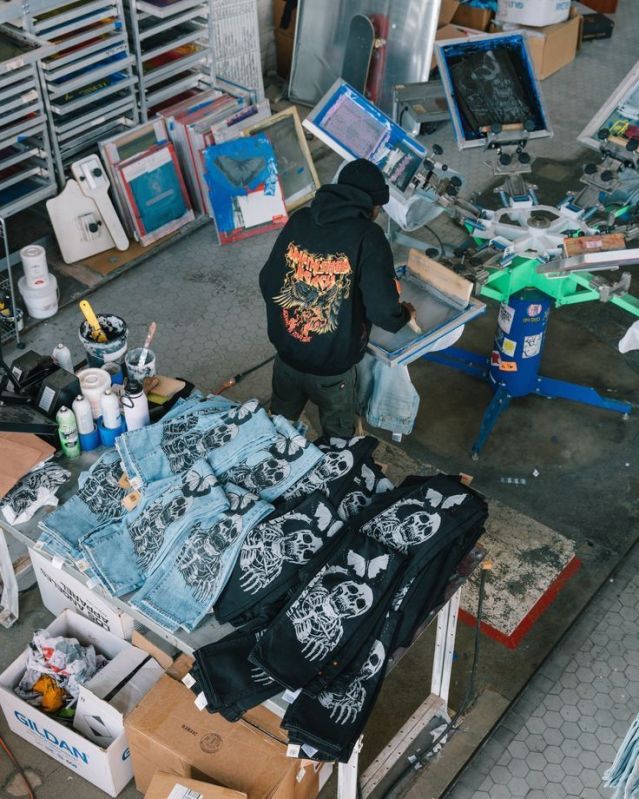
Apparel printing (T-shirts, hoodies)
Posters and art prints
Labels and stickers
Glassware, ceramics, and signage
Electronics (e.g., circuit boards)
Durable and long-lasting prints
Vivid, opaque colors (especially on dark materials)
Cost-effective for large runs
Works on a wide variety of materials



Connect with us





 For Buyer
  For Seller
  Help
Help 

 Jawahar Nagar, Jalandhar, Punjab
 Send Enquiry