Users should verify the drug license and prescription before buying or selling medicines..
Product Specifications
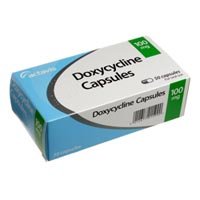
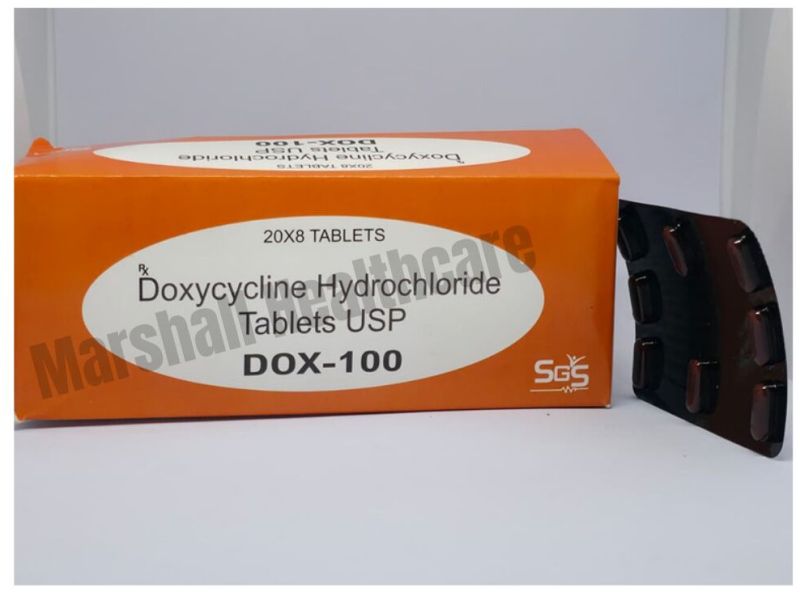
Doxycycline hydrochloride tablets are a form of the antibiotic doxycycline, specifically a salt formulation (doxycycline hyclate). They are a widely used medication for treating a variety of bacterial infections and other conditions.
What It Is and How It Works
Doxycycline hydrochloride is a water-soluble form of doxycycline. As with other forms of the drug, it belongs to the tetracycline class of antibiotics and works by inhibiting bacterial protein synthesis. It does this by binding to the 30S ribosomal subunit of bacteria, which prevents them from producing the proteins necessary for their growth and survival. This action is "bacteriostatic," meaning it stops the bacteria from multiplying, allowing the body's immune system to clear the infection.
Common Uses
Doxycycline hydrochloride tablets are prescribed for a broad range of medical conditions, including but not limited to:
Dosage and Administration
The dosage and duration of treatment with doxycycline hydrochloride tablets vary depending on the specific condition being treated, its severity, and the patient's age and weight.
It is crucial to take the tablet with a full glass of water and while in an upright position (sitting or standing) to prevent irritation of the esophagus. It is also advised to avoid lying down for at least 30 minutes after taking the medication. While some forms can be taken with food to reduce stomach upset, others, particularly the delayed-release formulations, may need to be taken on an empty stomach. Always follow the specific instructions provided by your doctor or pharmacist.
Potential Side Effects
Common side effects of doxycycline hydrochloride tablets are similar to those of other forms of doxycycline and include:

Company Information
 Member Since 3 Years
 Nature of Business Exporter
 GST No. 24CJWPK9058H1ZI
  Address 12 Suvarna Residency Behind Sanidhya Flora TP 76/b, Chandkheda, Ahmedabad, Gujarat, 382424, IN
Ask for more detail from the seller
Contact Supplier

Connect with us





 For Buyer
  For Seller
  Help
Help 
 Twitter
 WhatsApp
 Facebook
 Linkedin


 60 -
60 -