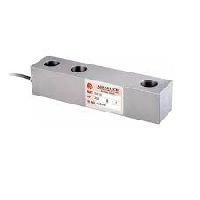
Product Specifications
digitally integrated manufacturing environment, industrial electrical sensors serve as essential building blocks for monitoring, control, protection, and automation across electrical systems. These sensors detect and measure critical electrical parameters such as current, voltage, power, energy, resistance, and frequency—enabling industrial plants to ensure electrical safety, reduce energy consumption, prevent equipment failure, and optimize system performance. With the global rise of Industry 4.0, smart energy management, and electrical predictive maintenance, the importance of high-precision and real-time electrical sensing has never been greater. ✅ Types & Working Principles Industrial electrical sensors come in a variety of forms, each designed to measure a specific electrical quantity. Common types include: 1. Current Sensors Hall Effect Sensors: Measure AC/DC current using the magnetic field around a conductor. Output can be analog or digital. Rogowski Coils: Flexible coils used for non-intrusive, high-current AC measurement—ideal for retrofit or portable systems. Current Transformers (CTs): Step down high currents for measurement by meters or protection relays. Shunt Resistors: Measure current by calculating voltage drop across a known resistance (used in DC applications). 2. Voltage Sensors Detect AC or DC voltage levels and convert them into proportional signals for meters or controllers. Types: Resistive divider, capacitive, isolation amplifier-based voltage sensors. 3. Power & Energy Meters Measure real-time power (kW, kVA), energy consumption (kWh), power factor, harmonics, etc. Work based on voltage and current input from CTs and PTs. 4. Phase Sequence & Frequency Sensors Detect phase reversal, phase loss, and frequency deviations in 3-phase systems. Crucial for generator synchronization and motor safety. 5. Insulation & Leakage Sensors Used for monitoring insulation resistance or detecting leakage current to prevent electrical faults and fire risks. Often integrated in BMS (Building Management Systems). 6. Temperature & Thermocouple Isolators Though not electrical parameters directly, these isolate and convert electrical signals from thermocouples or RTDs into standard analog outputs. CurrentAmpereA VoltageVoltV Power (Real / Apparent)Kilowatt / kVAkW / kVA EnergyKilowatt-hourkWh FrequencyHertzHz Power FactorRatioPF ResistanceOhmΩ Materials & Construction Enclosure Material: Industrial sensors are housed in ABS, polycarbonate, aluminum, or flame-retardant plastic for panel-mounting or DIN-rail mounting. Sensor Core: CTs use high-permeability magnetic cores; Hall sensors include semiconductor elements in epoxy-sealed cases. Environmental Protection: Typically IP20 to IP65, depending on whether they are installed in switchboards, outdoor panels, or enclosures. Safety Certifications: Sensors often comply with IEC 61010, CE, RoHS, and UL standards. 🔌 Outputs & Interface Types Output TypeDescriptionUse Case 0–5V / 0–10VVoltage output proportional to measured valueBasic analog monitoring 4–20 mALoop-powered analog output for industrial PLCsLong-distance transmission, noise-free Pulse (kWh, kVARh)For energy meters with BMS or data loggersEnergy billing, sub-metering Modbus RTU/TCPDigital protocol for real-time communicationSCADA/PLC, IoT dashboards RS485, CANbusSerial communication for data acquisitionRemote sensing and analytics Some advanced sensors come with Bluetooth, LoRaWAN, or Wi-Fi modules for wireless monitoring, particularly useful in legacy systems or remote substations. 💼 Key Industrial Applications SectorUse Case Power PlantsGenerator protection, current overload detection Manufacturing PlantsEnergy monitoring, predictive maintenance of motors Data CentersLoad balancing, branch circuit monitoring HVAC SystemsFan power monitoring, phase loss detection Oil & GasExplosion-proof current sensing in Zone 1 areas Renewables (Solar/Wind)Inverter input/output monitoring, g

Company Information
 Member Since 11 Years
 Nature of Business Retailer
 GST No. 27AABCL9949B1ZC
  Address Unit No. 809, 8th Floor, The EPI Centre SATTVA The Wadhwa Group, above D-Mart, Chembur(E, Mumbai, Maharashtra 400071, Chembur, Mumbai, Maharashtra, 40061, IN
Ask for more detail from the seller
Contact Supplier

Connect with us





 For Buyer
  For Seller
  Help
Help 
 Twitter
 WhatsApp
 Facebook
 Linkedin



 300 -
300 -