
Company Information
 Member Since 1 Year
 Nature of Business Manufacturer Year of Establishment 2023
Ask for more detail from the seller
Contact Supplier
Silver Mercury – Elemental Mercury (Hg) Overview
Silver Mercury, also known as elemental mercury or quicksilver, is a naturally occurring metallic element with the chemical symbol Hg and atomic number 80. Unlike most metals, mercury is liquid at room temperature and has historically been used in scientific instruments, mining, dentistry, and various industrial applications. However, due to its toxicity and environmental hazards, the use of mercury is now heavily restricted worldwide under international safety agreements.
Properties of Silver Mercury
Symbol: Hg
Atomic Number: 80
Atomic Mass: 200.59 u
State at Room Temperature: Liquid metal
Appearance: Silvery-white, reflective liquid
Density: 13.534 g/cm³ (20 °C)
Melting Point: −38.83 °C
Boiling Point: 356.7 °C
Conductivity: Good electrical conductor, lower thermal conductivity compared to most metals
Mercury’s liquid state and high density make it unique among metals, which is why it was historically valuable in scientific and measurement instruments.
Historical & Industrial Uses of Silver Mercury
Silver Mercury was once widely used in:
Scientific Instruments – thermometers, barometers, manometers
Mining & Metallurgy – gold and silver extraction through amalgamation
Dental Amalgams – combined with silver, tin, and copper for dental fillings
Electrical Switches & Relays – due to its excellent conductivity and liquid state
Chemical Industry – used in the chlor-alkali process to produce chlorine and caustic soda
Today, most of these applications have been phased out or replaced with safer alternatives due to environmental and health concerns.
Health & Environmental Concerns
Toxicity: Mercury exposure can severely affect the nervous system, kidneys, and brain.
Vapor Hazard: Mercury easily evaporates at room temperature, and inhalation of vapors is highly dangerous.
Bioaccumulation: Mercury accumulates in ecosystems and food chains, particularly in fish and seafood.
Long-Term Risks: Chronic exposure can cause tremors, memory loss, developmental issues, and organ damage.
Global Regulation of Silver Mercury
To safeguard human health and the environment, mercury usage is tightly controlled by international treaties and national regulations:
Minamata Convention on Mercury (2013): A global treaty signed by over 140 countries to reduce emissions and eliminate hazardous mercury applications.
European Union: Enforces strict bans on mercury trade and products containing mercury.
United States: Regulated under the EPA and Toxic Substances Control Act.
Worldwide: Many industries now use non-mercury alternatives such as digital sensors, alcohol thermometers, and alternative catalysts.
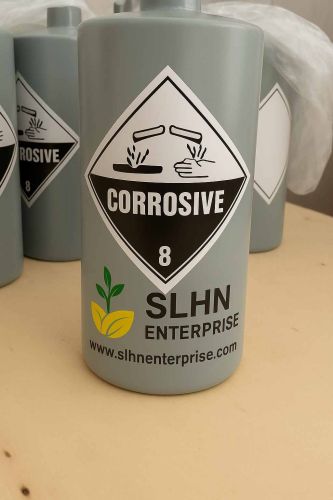
Note: Mercury is classified as a hazardous substance. Its handling, transport, and disposal must comply with local and international hazardous materials regulations.



Connect with us





 For Buyer
  For Seller
  Help
Help 

 Miri
Miri  Send Enquiry