
Company Information
 Member Since 1 Year
 Nature of Business Retailer
Ask for more detail from the seller
Contact Supplier
There are several types of access control systems, each with its unique features and applications. Below are some of the most common types:
1. Discretionary Access Control (DAC)
Definition: DAC is a type of access control where the owner of the protected system or resource can decide who is allowed access.
Application: Often used in environments where flexibility is required, such as in personal computing.
2. Mandatory Access Control (MAC)
Definition: MAC is a more rigid access control system where access to resources is based on a central authority's policies.
Application: Used in environments that require high security, such as military or government facilities.
3. Role-Based Access Control (RBAC)
Definition: RBAC assigns permissions to users based on their role within an organization.
Application: Commonly used in business environments to streamline access management.
4. Rule-Based Access Control
Definition: In this system, access is governed by specific rules set by the organization.
Application: Suitable for environments where access needs to be adjusted frequently.
Components of Access Control Systems
A comprehensive access control system typically includes several components:
Access Cards or Key Fobs: Physical tokens that grant entry to secured areas.
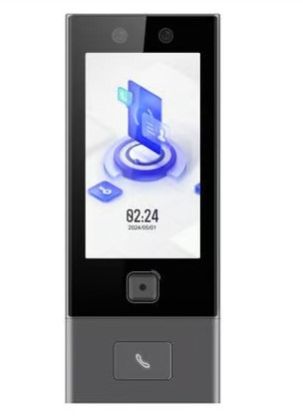
Biometric Scanners: Devices that verify identity through physical characteristics like fingerprints or retina scans.
Access Control Panels: Central hubs that manage and process access requests.
Readers: Devices that read access cards or biometrics to verify identity.
Software: Programs that allow administrators to configure, monitor, and manage the access control system.
Benefits of Access Control Systems



Connect with us





 For Buyer
  For Seller
  Help
Help 

 Kajamalai Colony, Tiruchirappalli, Tamil Nadu
 Send Enquiry