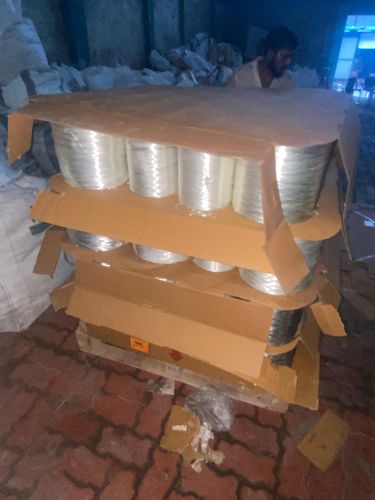
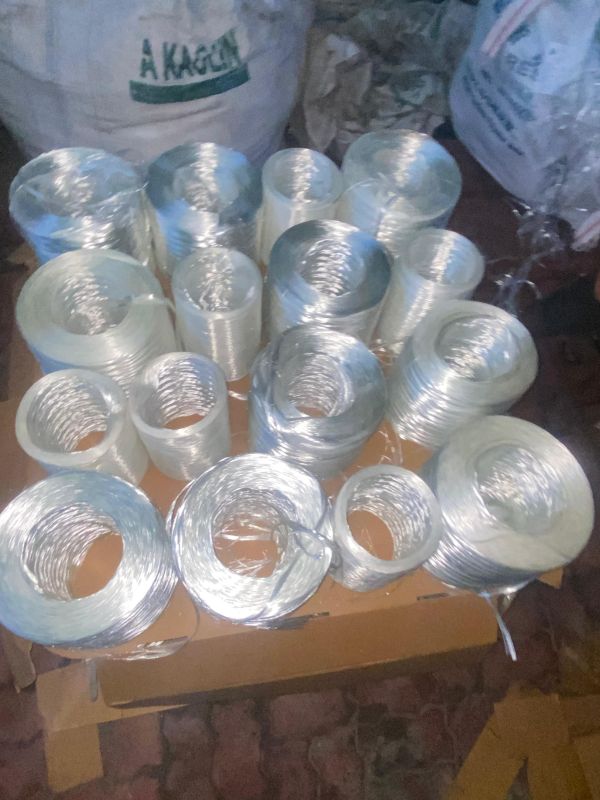
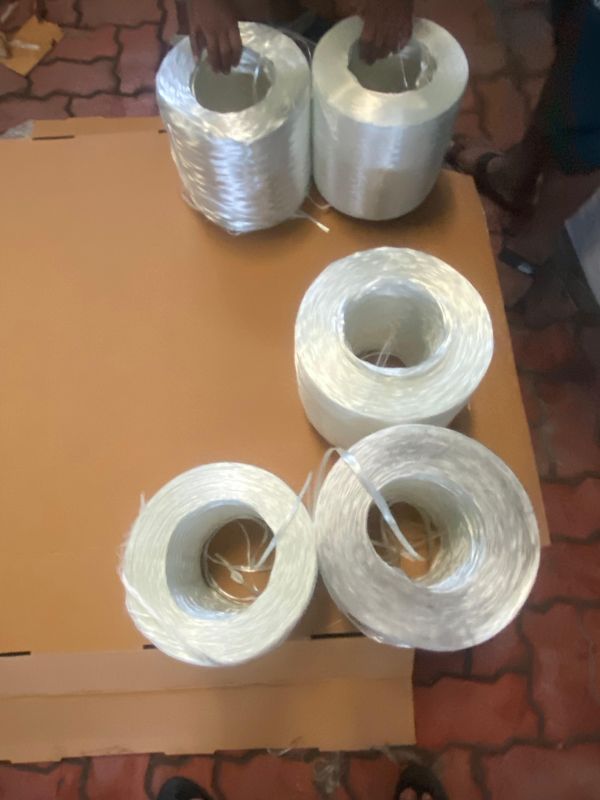
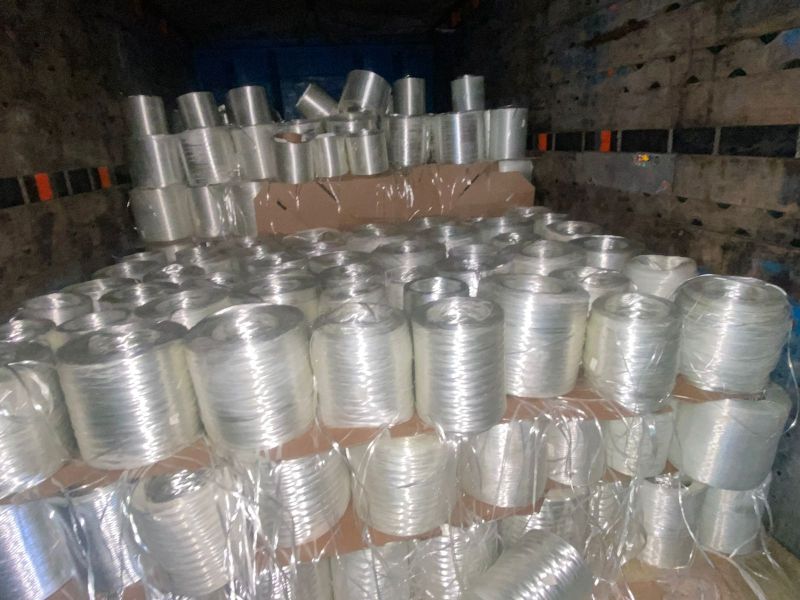
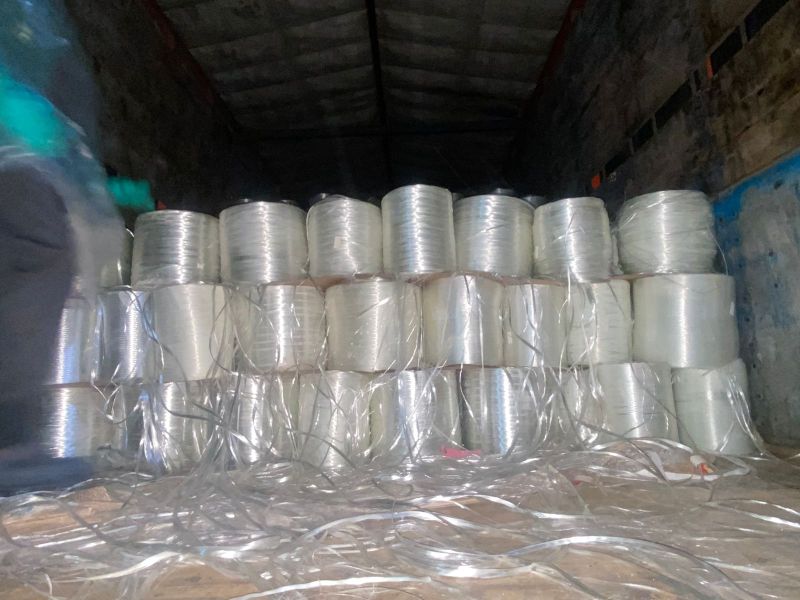
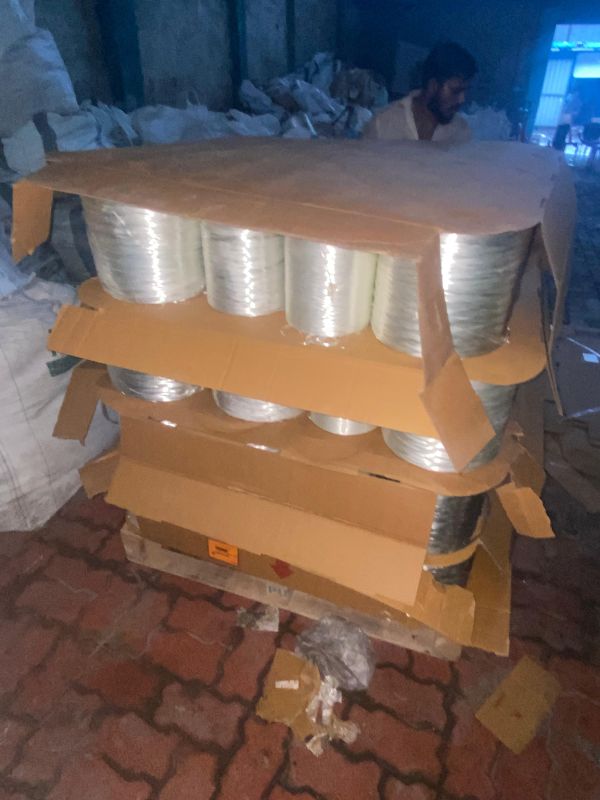
Fiberglass ECR direct roving is used to manufacture lightweight, durable composite materials for high-performance applications, including wind turbine blades, boats, pipes, pressure vessels, and structural components in the automotive and construction industries. Its excellent corrosion and chemical resistance, high tensile strength, and compatibility with various resins make it ideal for producing boat hulls, components, and other marine structures due to its resistance to water and chemicals.
Construction & Infrastructure:
Enhances the load-bearing capacity of concrete structures and is used for creating gratings, profiles, and reinforced concrete (GFRC).
Transportation:
Found in automotive parts, aircraft components, and train parts, helping to reduce weight and improve strength.
Chemical Processing:
Utilized for manufacturing storage tanks, pipes, and other equipment exposed to corrosive environments.
Electrical & Electronics:
Employed in creating electrical insulators and laminates due to its high electrical resistance.
How it is Used
ECR direct roving is suitable for several manufacturing processes, including:
Pultrusion:To produce composite profiles, rebars, and rods.
Weaving:To create fabrics and multi-axial knits that are then used in various composite applications


 Member Since 6 Years
 Nature of Business Trader
 GST No. 27ESHPK4471E1ZM








 For Buyer
  For Seller
  Help
Help 

 Shilphata, Thane, Maharashtra
  Send Enquiry