
Company Information
 Member Since 1 Year
 Nature of Business Service Provider
 GST No. 20BTAPD5996C1Z3
Ask for more detail from the seller
Contact Supplier
Ground Granulated Blast Furnace Slag (GGBFS): A Comprehensive Product Description
Introduction
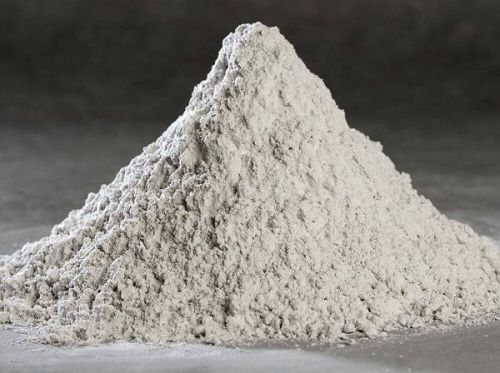
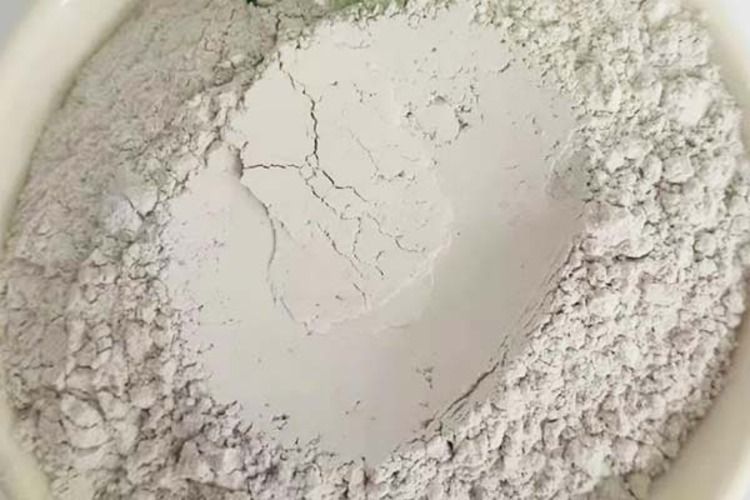
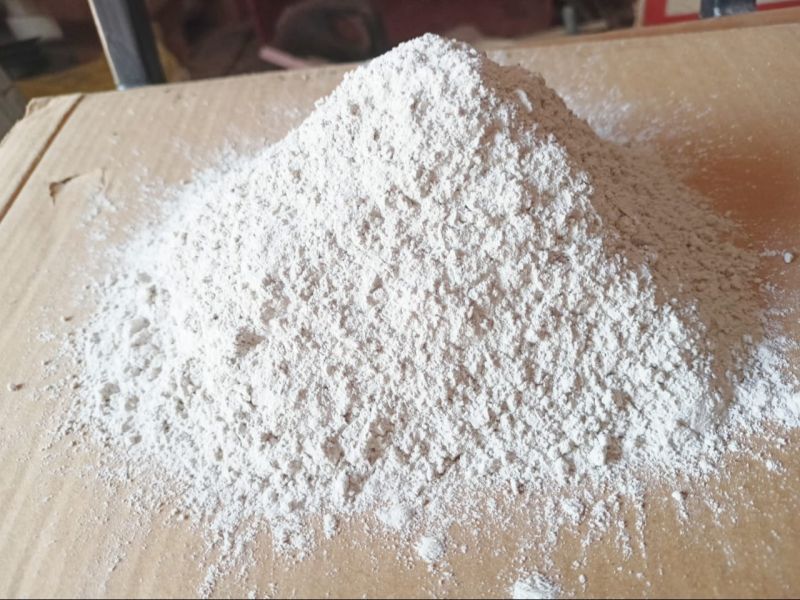
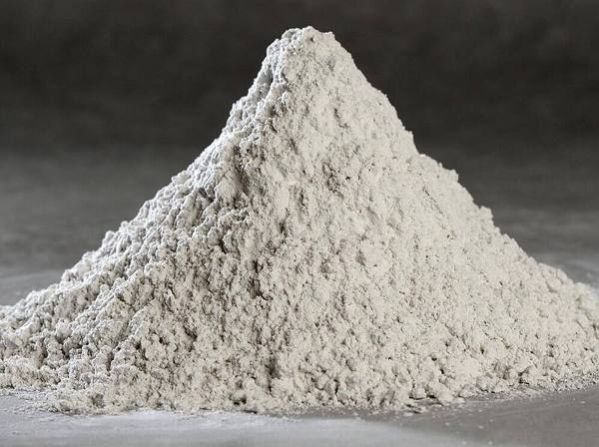
Ground Granulated Blast Furnace Slag (GGBFS) is a high-performance, eco-friendly construction material derived from the by-products of the iron-making process. It is an industrial by-product that is formed when molten blast furnace slag is rapidly quenched with water or air to create a glassy, granular material. These granules are then ground into a fine powder, resulting in GGBFS. Widely used in construction, GGBFS is recognized for its remarkable strength, durability, and environmental benefits, making it an integral part of modern construction technologies, especially for sustainable development.
Production Process of GGBFS
GGBFS originates from the blast furnace process used to extract iron. In this process, raw materials such as iron ore, limestone, and coke are subjected to high temperatures in the blast furnace. The molten iron collects at the furnace's base, while the lighter slag floats on top. This slag, a mixture of lime, silica, alumina, and magnesia, is rapidly cooled using high-pressure water or air jets.
The rapid cooling process—referred to as quenching—prevents crystallization, resulting in a granular material with a glassy, amorphous structure. These granules are dried and finely ground to produce GGBFS, which exhibits cementitious and pozzolanic properties.
Chemical Composition
The chemical composition of GGBFS is similar to that of Portland cement but with variations that give it unique characteristics. It typically contains:
This composition allows GGBFS to participate in hydration reactions, enhancing the performance of cement and concrete when used as a supplementary cementitious material (SCM).
Properties of GGBFS
Physical Properties
Mechanical Properties
Chemical Properties
Thermal Properties



Connect with us





 For Buyer
  For Seller
  Help
Help 

 Adityapur, Jamshedpur, Jharkhand
 Send Enquiry