
Company Information
 Member Since 1 Year
 Nature of Business Exporter
 GST No. 06AAWFN4531B1ZB
Ask for more detail from the seller
Contact Supplier
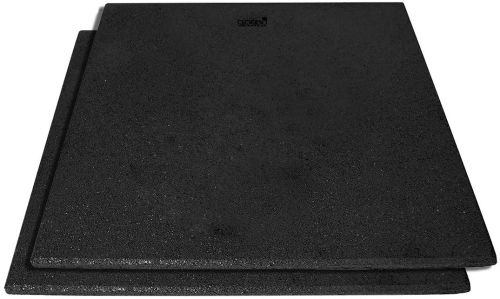
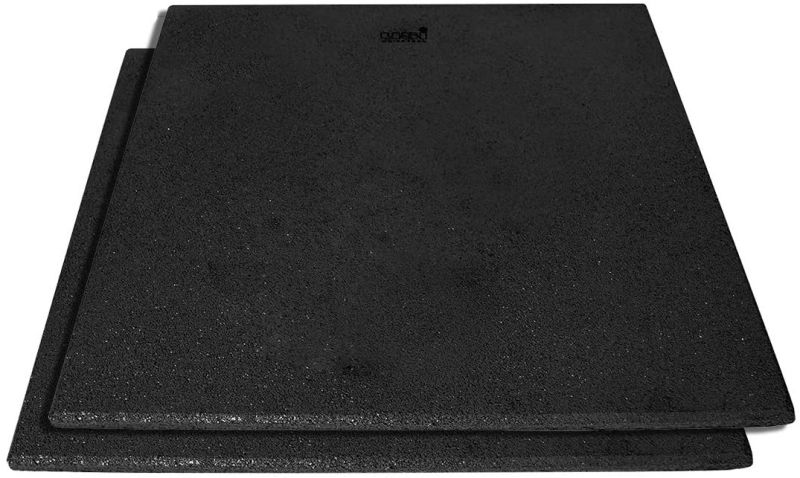
Gym Rubber Flooring Tiles are a popular choice for home and commercial gyms due to their durability, shock absorption, and safety features. Here 's a guide to help you choose the right tiles for your space:
Key Features of Rubber Gym Flooring Tiles:
Material:
Made from recycled or virgin rubber.
Often interlocking or straight-edge tiles.
Thickness:
6mm–8mm: Suitable for light exercise, yoga, or cardio.
10mm–15mm: Good for weight training and general fitness.
20mm–40mm+: Ideal for heavy lifting areas, CrossFit, or commercial gyms.
Surface Texture:
Smooth: Easier to clean, may be more slippery when wet.
Textured: Offers better grip, suitable for high-traffic areas.
Size:
Common sizes: 500x500mm (19.7 "x19.7 "), 1m x 1m (39 "x39 ").
Puzzle-style interlocking tiles for easy DIY installation.
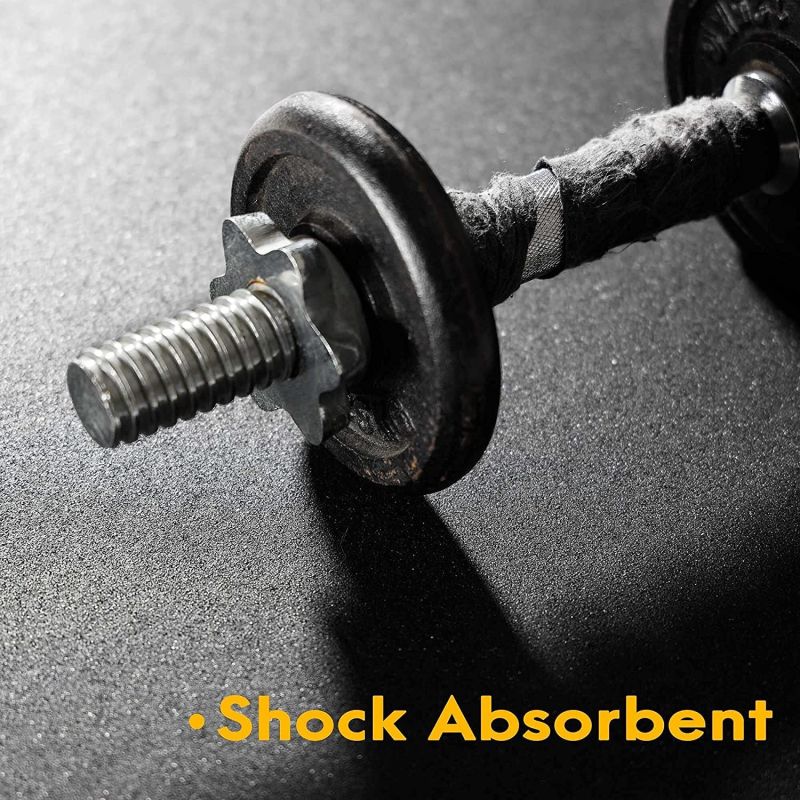
Shock & Noise Absorption:
Protects floors and reduces noise from dropped weights.
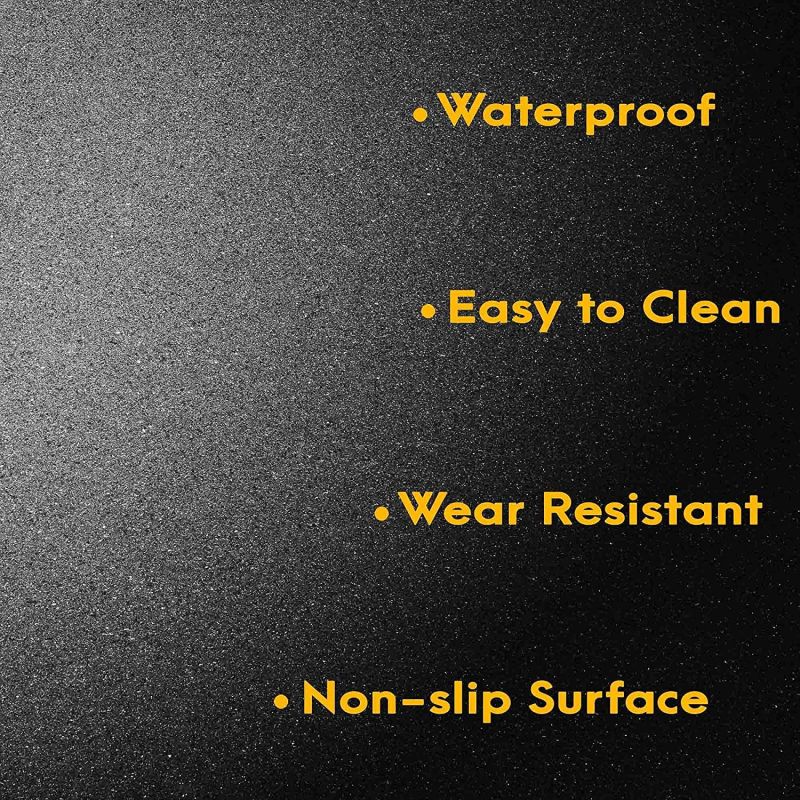
Water & Sweat Resistant:
Easy to clean with a mop or vacuum.
Durable and long-lasting
Slip-resistant and safe
Absorbs impact to protect joints and equipment
Easy to install and replace individual tiles
Environmentally friendly (especially recycled rubber)
Can have a rubber smell initially
Heavy to move
May expand slightly in heat if not properly installed
Regupol (known for high-end commercial gym floors)
Horse Stall Mats (cost-effective alternative for home gyms)
Rubber-Cal, PLAE, Rogue, Titan Fitness, ProsourceFit
Consider edge ramps if tiles are not flush with the floor.
Order extra tiles in case of future damage or expansion.
If odor is a concern, look for low-VOC or EPDM top-layer tiles.



Connect with us





 For Buyer
  For Seller
  Help
Help 

 New Industrial Township, Faridabad, Haryana
 Send Enquiry