

Company Information
 Member Since 5 Years
 Nature of Business Manufacturer
 GST No. 03ABDPB1279Q1ZN
Ask for more detail from the seller
Contact Supplier
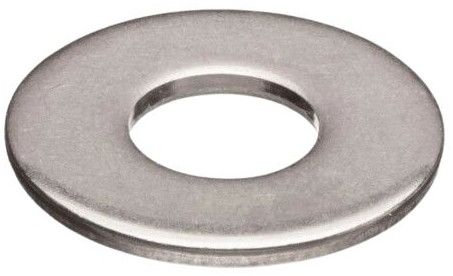
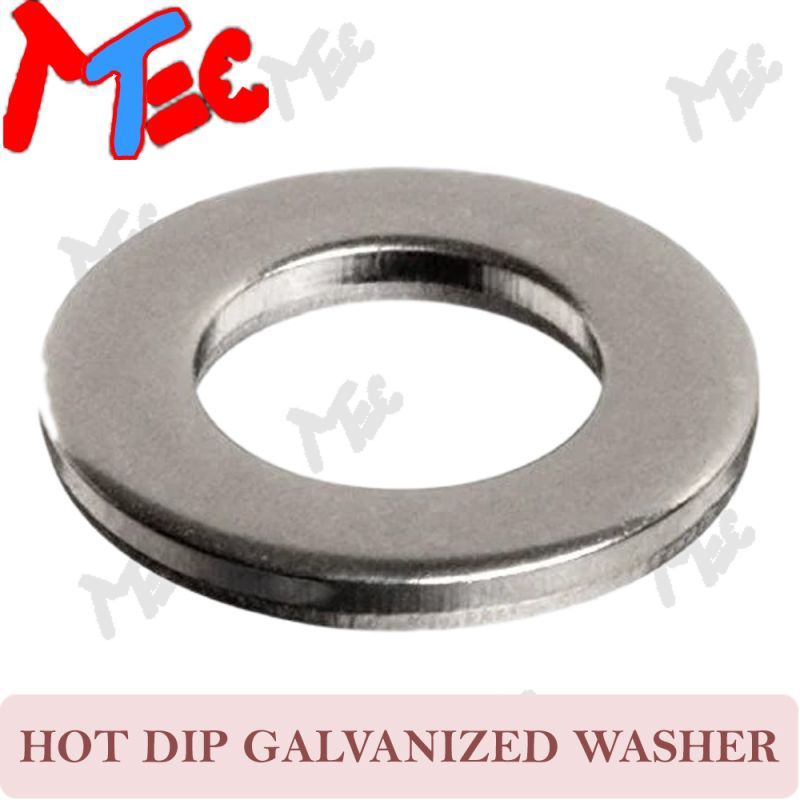
A hot-dip galvanized washer is a type of washer that has undergone a process where it is coated with a layer of zinc to provide superior protection against corrosion. The hot-dip galvanization process involves immersing the washer into molten zinc at high temperatures, resulting in a durable, corrosion-resistant coating. Here's a detailed description:
Process of Hot-Dip GalvanizationCleaning: The washer is first cleaned to remove any dirt, oil, and rust. This is usually done using an acid solution to ensure the zinc coating adheres properly.
Galvanizing: After cleaning, the washer is dipped into a bath of molten zinc, usually at a temperature of around 450°C (840°F). The zinc forms a metallurgically bonded coating on the surface of the washer.
Cooling and Inspection: After the washer is removed from the molten zinc, it is allowed to cool, forming a hard, durable zinc layer. The finished washers are then inspected for consistency and quality of the coating.
Corrosion Resistance: The primary benefit of hot-dip galvanization is its ability to protect the washer from rust and corrosion. The zinc coating acts as a sacrificial anode, meaning it corrodes in place of the underlying metal, prolonging the life of the washer and other connected parts.
Durability: The zinc coating formed through hot-dipping is much thicker and more durable than other types of coatings (such as electroplating). It is resistant to chipping, scratching, and wear, making it ideal for heavy-duty applications.
Longer Lifespan: The zinc layer provides long-lasting protection, especially in outdoor and harsh environments, including exposure to rain, moisture, saltwater, and chemicals.
Cost-Effective Protection: Hot-dip galvanized washers are relatively cost-effective compared to other corrosion-resistant options, such as stainless steel, while still providing excellent protection against corrosion.
Self-Healing: If the zinc coating is scratched or damaged, it has the ability to "self-heal" because the surrounding zinc will continue to protect the exposed steel by forming a protective layer.
Construction: Used in outdoor and infrastructure projects, such as bridges, highways, and buildings, where weather resistance is critical.
Automotive: Applied in vehicle parts exposed to the elements, such as undercarriages and exhaust systems.
Marine: Used in environments exposed to saltwater, like shipbuilding, docks, and coastal structures.
Agriculture: Common in farm equipment and outdoor structures that require rust resistance.
Industrial: Often used in equipment and machinery exposed to harsh weather conditions.
Fastening Systems: Hot-dip galvanized washers are frequently used alongside galvanized bolts, nuts, and other fasteners to ensure long-term durability in outdoor or corrosive environments.
Electrical Systems: In some cases, the corrosion resistance is important for maintaining the electrical conductivity and preventing electrical shorts in outdoor electrical installations.



Connect with us





 For Buyer
  For Seller
  Help
Help 

 Jaspal Bangar, Ludhiana, Punjab


 Send Enquiry