


Company Information
 Member Since 1 Year
 Nature of Business Service Provider
 GST No. 33AAWCS0561P2ZN
Ask for more detail from the seller
Contact Supplier
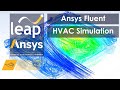
HVAC simulation services involve the use of advanced computational tools and engineering methods to model, analyze, and evaluate heating, ventilation, and air conditioning (HVAC) systems within buildings and industrial environments. These simulations help engineers understand how air flows, how heat is transferred, and how environmental conditions change within indoor spaces under different operating scenarios.
By using modern simulation software, engineers can optimize HVAC system design, assess system efficiency, and identify potential performance issues before actual installation or construction. This approach allows designers to test different configurations, airflow patterns, and equipment selections in a virtual environment, which helps reduce design errors and improves overall system effectiveness.
HVAC simulation also plays an important role in ensuring energy efficiency, thermal comfort, and indoor air quality for occupants. Engineers can evaluate factors such as temperature distribution, ventilation effectiveness, humidity levels, and energy consumption to ensure that the system meets regulatory standards and sustainability goals.
According to insights shared by Dassault Systèmes, advanced building simulation technologies help organizations create more efficient and comfortable indoor environments while reducing operational costs and environmental impact. By integrating simulation into the design process, companies can develop HVAC systems that provide reliable performance and improved energy management throughout the lifecycle of the building.



Connect with us





 For Buyer
  For Seller
  Help
Help 

 Porur, Chennai, Tamil Nadu
  Send Enquiry