

 10,000 - 2.50 Lakh / piece
Company Information
 Member Since 11 Years
 Nature of Business Retailer
 GST No. 27**********ZC
Ask for more detail from the seller
Contact Supplier
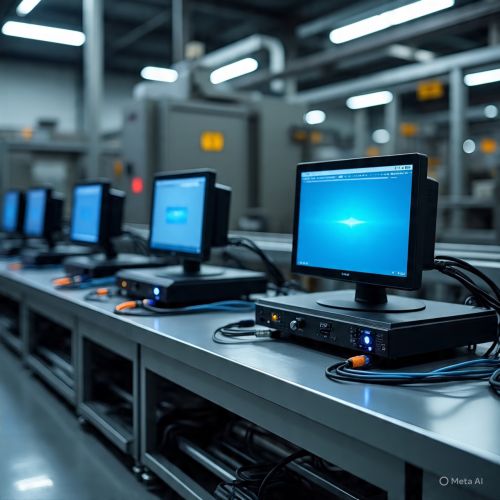
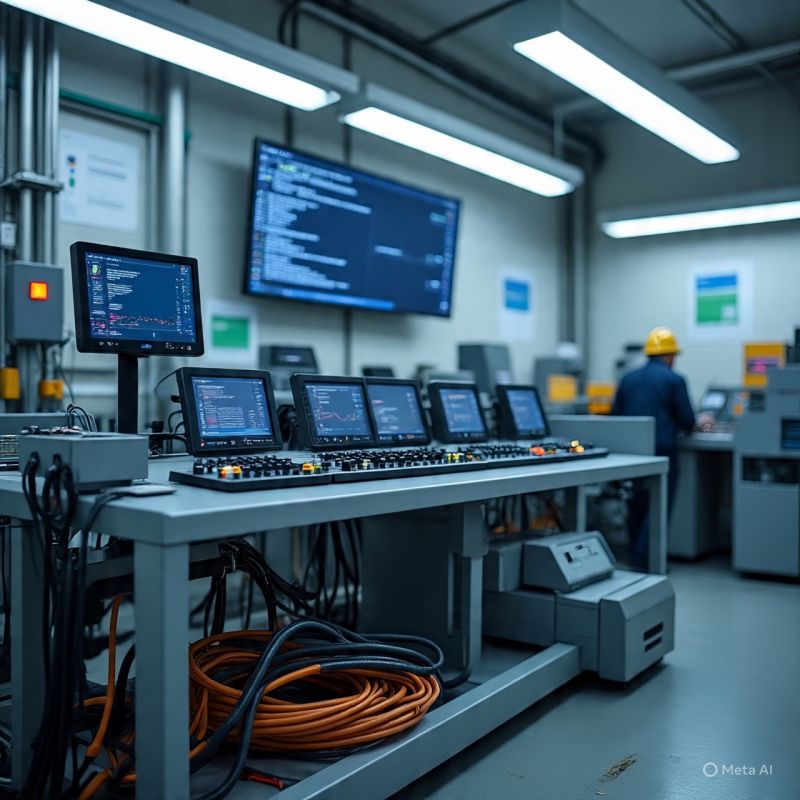
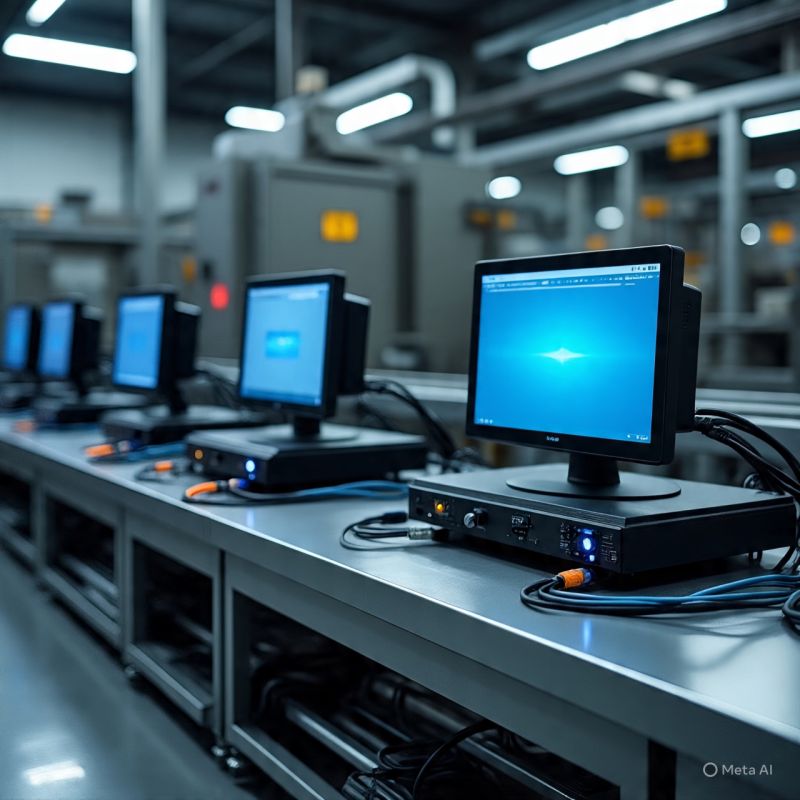
Industrial PCs (IPCs) and Edge Controllers are ruggedized computing platforms used to perform real-time control, data processing, visualization, and edge analytics in factory environments. Unlike consumer-grade PCs, these systems are designed for 24/7 operation in harsh conditions such as vibration, heat, dust, and electrical noise. They serve as critical components in smart manufacturing, bridging the gap between field-level devices (PLCs, sensors, HMIs) and enterprise-level systems (MES, ERP, cloud)Edge Controllers in Industrial Automation Edge Controllers are compact, industrial computing systems that perform real-time control, data processing, and communication functions directly at the edge of the production line—close to machines, sensors, and actuators. Unlike traditional controllers, Edge Controllers combine PLC-style control, IT-level processing, and IIoT connectivity, making them ideal for smart factories and Industry 4.0 deployments. These devices bridge the gap between operational technology (OT) and information technology (IT), offering local decision-making without relying solely on cloud infrastructure. Architecture & Functionality Core Components: Real-Time Processor or Microcontroller Integrated I/O (DI/DO, AI/AO) Communication Interfaces (Ethernet, Serial, Fieldbus) Edge Analytics Engine Local Data Storage or SD/SSD Optional Display or Web Interface Key Functions: Collect & process sensor data Perform control logic (PID, ladder, structured text) Analyze data locally (Edge AI/ML) Communicate with PLCs, HMIs, SCADA, cloud Convert protocols (e.g., Modbus ↔ MQTT) Trigger alerts, alarms, or actuator events Host dashboards or APIs for integration Industrial Use Cases & Applications IndustryEdge Controller Application AutomotivePredictive maintenance, robotic cell management PharmaceuticalCleanroom monitoring, batch data logging Food & BeverageLine performance tracking, traceability, vision analytics TextileQuality control and energy monitoring PackagingLabel verification, device coordination CNC & MetalworkingReal-time spindle monitoring, adaptive speed control UtilitiesPump control, water quality monitoring User Interface & Connectivity Web-Based HMI: Accessible via browser from any device Cloud Connection: Azure, AWS, Google Cloud, private servers Protocol Support: OT: Modbus RTU/TCP, CAN, Profibus, EtherNet/IP IT/IoT: OPC UA, MQTT, REST API, SNMP Edge Software: Node-RED Python / C scripts Docker for containerized apps Built-in logic editors (ladder, FBD, ST) Technical Specifications (Typical) ParameterValue / Range CPUARM Cortex-A, Intel Atom/i3/i5 RAM512 MB – 8 GB Storage8 GB – 128 GB (eMMC, SSD, SD) Digital/Analog I/O4 to 64+ (expandable) ProtocolsModbus, MQTT, OPC UA, CANopen, Ethernet/IP Power Supply24V DC (typical), with surge protection Operating Temp.–20°C to +60°C (industrial-grade) MountingDIN-rail, wall, or panel mount CertificationsCE, UL, FCC, RoHS, ISO Key Benefits & Advantages Real-Time Processing: Ensures immediate local action and control Reduced Latency: No need to wait for cloud decision-making Lower Bandwidth Usage: Only relevant/filtered data sent upstream High Uptime: Runs autonomously during network or cloud outages Protocol Bridging: Unifies legacy and modern industrial systems Cybersecure: Encrypted communications, firewalls, user access control Edge AI Capable: Supports ML algorithms and image/sound processing Smart Features & IIoT Readiness Auto-tagging of devices using device templates Local data historian for analytics and audits Rule-based alerts and edge decisions (e.g., if temp > X, shut pump) API integration with MES, ERP, or CMMS systems Digital Twin Hosting: Run simulations or diagnostics based on real data Over-the-Air Updates (OTA) for firmware and application patches Edge-to-Cloud Sync: Customizable data flow strategies (push/pull, real-time/batch) Basic Edge I/O Controller Mid-Tier Edge Gat



Connect with us





 For Buyer
  For Seller
  Help
Help 

 Chembur, Mumbai, Maharashtra
 Send Enquiry