Product Specifications
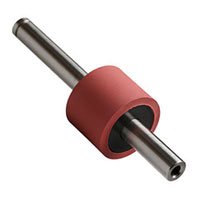
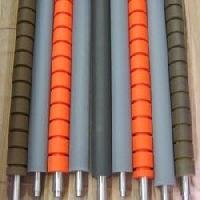
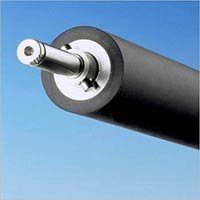
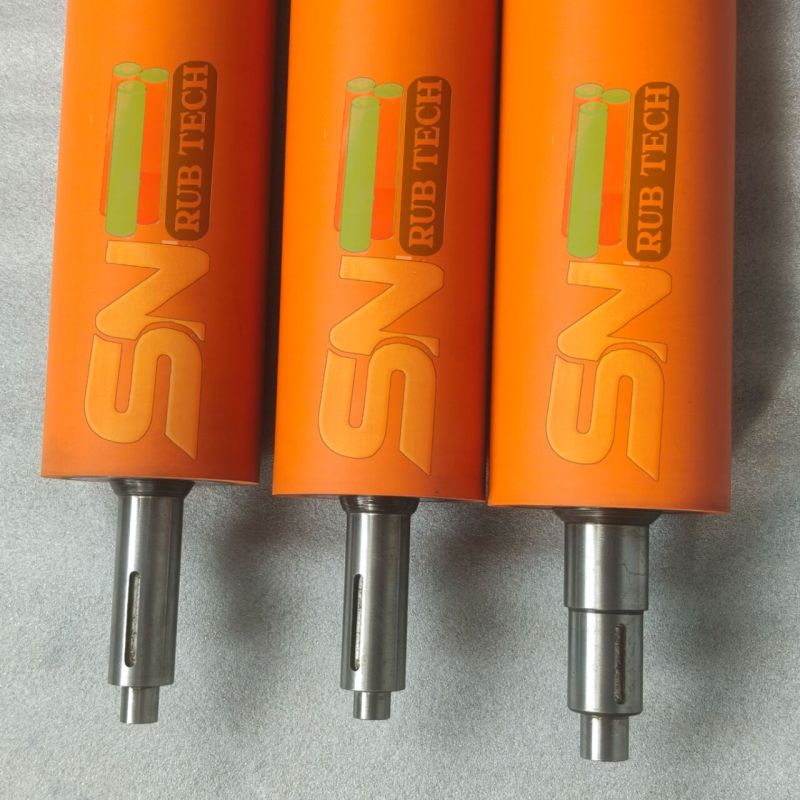
Rubber Rollers are cylindrical components consisting of a metal core (steel/aluminum) covered with a rubber or elastomer layer. They are widely used in industries for printing, coating, laminating, embossing, conveying, and material handling.
Key Features

Company Information
 Member Since 1 Year
 Nature of Business Manufacturer
 GST No. 24BUCPS0509M1ZK
  Address 354, Viren Nagar CO.OP.H. Society, Vishal Nagar Road, OPP Swaminarayan Society, Isanpur, Ahmedabad, Gujarat, 382443, IN
Ask for more detail from the seller
Contact Supplier

Connect with us





 For Buyer
  For Seller
  Help
Help 
 Twitter
 WhatsApp
 Facebook
 Linkedin
 1,000 -