
Company Information
 Member Since 8 Years
 Nature of Business Retailer
 GST No. 27AABCI1498N1Z2
Ask for more detail from the seller
Contact Supplier
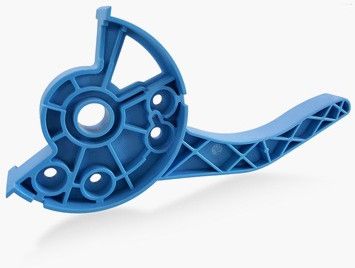
This is one of the prime processes for producing plastic parts and articles. It is a fast process and is used to produce large numbers of identical items ranging from high precision engineering components to disposable consumer goods.
Most thermoplastics are produced by injection moulding using the following materials (with alloys like FR, GF, MF, CF, blends etc.)
PPS : Poly Phenylene Sulphide
PES : Poly Ether Sulphide
PPO : Poly Phenylene Oxide
POM : PolyOxy Methylene (Acetal)
PA6/66 : Polymides Nylon 6,6/6,plain and glass filled
PA11/12 : Polymides Nylon 6/12.11,12 transparent
PA 46/PPA : Polymides Nylon 46 stanyl
PC : Poly Carbonate
PBT : Poly Butylene Terepthalate
PET : Polyester
TPU : Polyurethane
TPE : Thermoplastic Elastomer
ABS : Acrylonitrile Butadiene Styrene
SAN : Styrene Acrylonitrile
PMMA : Acrylic
All general plastics like PP, PS, LDPE , HDPE , HIPS
Parts to be injection moulded must be very carefully designed to facilitate the moulding process; the material used for the part, the desired shape and features of the part, the material of the mould, and the properties of the moulding machine must all be taken into account. The versatility of injection moulding is facilitated by this breadth of design considerations and possibilities.
Advantages of Injection Moulding
Fast production – can produce an incredible amount of parts per hour
Material and Colour flexibility – Once we have a tool made, without too much difficulty, we can change the material and colour of the part being produced
Low labour costs – An automatic tool runs on an injection moulding machine without much difficulty thus readying the parts with little manual intervention
Design flexibility
Low waste – Most plastics recycle, so we can reuse it thus reducing the waste



Connect with us





 For Buyer
  For Seller
  Help
Help 

 Pimpri Chinchwad, Pune, Maharashtra
 Send Enquiry