

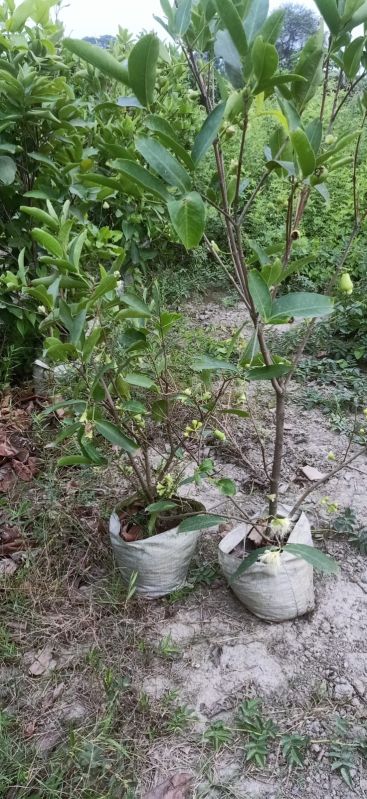
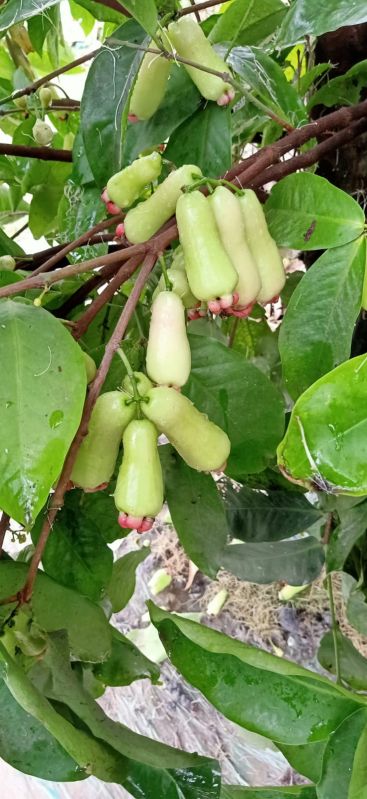
 80 - 240 / Piece
Company Information
 Member Since 3 Years
 Nature of Business Manufacturer Year of Establishment 2001
Ask for more detail from the seller
Contact Supplier
The Jamrul tree is commonly known as the "Jamun tree" or "Indian Blackberry tree." Its scientific name is Syzygium cumini, and it belongs to the Myrtaceae family. The Jamun tree is native to the Indian subcontinent and is widely cultivated in many tropical and subtropical regions. Here's some information about the Jamun tree:
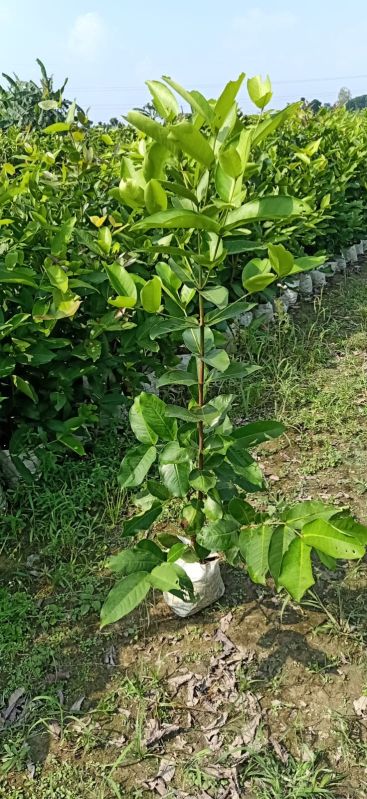
Appearance: The Jamun tree is an evergreen tree that typically reaches a height of 30 to 40 feet (9 to 12 meters), although some trees can grow taller. The tree has a dense and spreading crown with dark green, leathery leaves.
Fruits: The Jamun tree produces small, oblong or ovoid-shaped fruits that are initially green and gradually turn purplish-black when ripe. The fruit has a sweet and slightly astringent taste, with a deep purple, juicy pulp and a single, large seed in the center.
Flowers: The tree produces fragrant, small, white or pale pink flowers, which are often pollinated by bees.
Season: Jamun fruits are typically in season during the summer months, from May to July, although this timing can vary based on the region and climate.
Cultivation: Jamun trees thrive in tropical and subtropical climates with warm temperatures and high humidity. They prefer well-drained soil and full sunlight. Regular watering and fertilization are necessary for healthy growth and fruit production. Pruning can help shape the tree and remove dead or damaged branches.
Uses: The primary reason for cultivating Jamun trees is for their delicious fruits. Jamun fruits can be eaten fresh or used in a variety of culinary applications. They are commonly used to make jams, jellies, juices, and desserts. Jamun fruits are not only enjoyed for their flavor but are also valued for their potential health benefits and medicinal uses. They are considered to be a good source of vitamins, minerals, and antioxidants.
Varieties: There are several different varieties of Jamun, each with slight variations in fruit size, taste, and appearance. Some popular varieties include 'Black Pearl,' 'Dholka,' and 'Naveen.'
The Jamun tree is well-loved for its sweet and juicy fruits and is often grown in home gardens, orchards, and street plantations in tropical and subtropical regions. The fruits are a popular seasonal treat and are also used for their potential health benefits and culinary versatility.



Connect with us





 For Buyer
  For Seller
  Help
Help 

 24 North Parganas, Kolkata, West Bengal


 Send Enquiry