
Products / Services
  • Products / Services
  • Companies
  • Buy Leads
    Post Buy Requirement

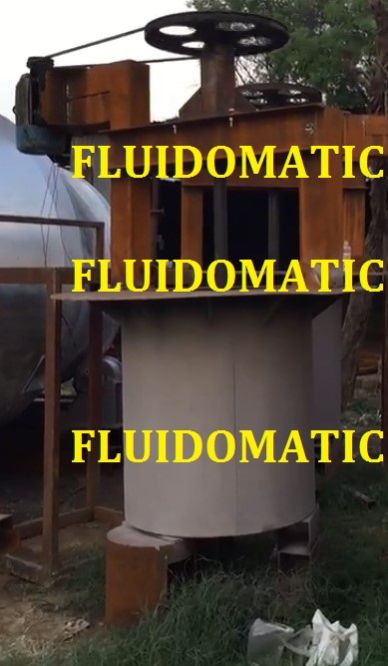
    Metallic Lead Refining Plant, For Industrial

    • Packaging TypeMetallic
    • ApplicationIndustrial
    • MaterialMetal
    • DurabilityLong Life
    • Supply TypeManufacturer, Exporter, Supplier, Retailer
    • Preferred Buyer Location All over the world
    View More Details
    Send Enquiry

    Company Information

    • calendar Member Since 16 Years
    • building Nature of Business Manufacturer
    • Year of Establishment 1989

    Ask for more detail from the seller

    Contact Supplier
    Report incorrect details
    • Product Details

    • Company Details

    no_img_icon

    • Packaging TypeMetallic
    • ApplicationIndustrial
    • ResistivityRust Resistant
    • DurabilityLong Life
    • Drive TypeElectric
    • Surface FinishingPolished
    • MaterialMetal

    The Lead Bullion is fed into a refining kettle. Lead bullion contains many other metallic impurities including antimony, arsenic, copper, tin and zinc.
    Refining Process of Lead in Detail :

    • Removal of Copper : Copper is the first of the impurities to be removed. The lead bullion is melted at about 300–600 °C and held just above its melting-point when solid copper rises to the surface and is skimmed off. Sulfur is stirred into the melt to facilitate the operation by producing a dry powdery dross which is more readily removed. Once copper has been removed, there are a number of processes available for the extraction of the other impurities from the bullion. These include, in which elements are removed one or more at a time in several stages.
    • Removal of antimony, arsenic and tin : After the removal of copper, the next step is to remove antimony, arsenic and tin. There are two methods available — the softening process (so-called since these elementsare standard hardeners for lead) and the Harris process. In the softening process, the lead bullion is melted and agitated with an air blast, causing preferential oxidation of the impurities which are then skimmed off as a molten slag. In the Harris process, the molten bullion is stirred with a flux of molten sodium hydroxide and sodium nitrate or anothersuitable oxidizing agent. The oxidized impurities are suspended in the alkali flux in theform of sodium antimonate, arsenate and stannate, and any zinc is removed in the form of zinc oxide.
    • Removal of silver, gold & Bismuth : After the removal of antimony, arsenic and tin, the softened lead may still containsilver and gold, and bismuth. The removal of the precious metals by the Parkesprocess is based on the fact that they are more soluble in zinc than in lead. In this process,the lead is melted and mixed with zinc at 480 °C. The temperature of the melt is graduallylowered to below 419.5 °C, at which point the zinc (now containing nearly all the silverand gold) begins to solidify as a crust on the surface of the lead and can be skimmed off.
      An alternative procedure, the Port Pirie process, used at the Port Pirie refinery in Australia,is based on similar metallurgical principles.
    • Removal of zinc : The removal of the precious metals leaves zinc as the main contaminant of the lead.It is removed either by oxidation with gaseous chlorine or by vacuum distillation. Thelatter process involves melting the lead in a large kettle covered with a water-cooled lidunder vacuum. The zinc distils from the lead under the combined influence of temperatureand reduced pressure and condenses on the underside of the cold lid.
      Refined lead is poured into moulds and ingots are formed. These ingots are then sent to storage. For integrated Production of Lead Oxide, Refined Lead is casted into Balls. (to be fed directly to Lead oxide Ball Mill).


    About Lead Refining :

    Lead recycled from used lead acid batteries or other sources (Secondary Smelting) via the Mini Blast Furnace or Rotary Furnace route, contains lot of contamination and undesired components. On the other hand, Lead required for battery manufacturing is either soft Lead with 99.97% purity or hard Lead of varying Antimony compositions.In order to make quality of lead suitable for its different uses,different variations of pot melting processes are employed.


    These includes :

    • “Re-Melting” for removal of slag,
    • “Refining” for attaining required purity levels and
    • “Alloying” for producing various alloys of lead.

    The equipment used is the same, the consumables and the processes, however, differ.


    Refining Pot Details :

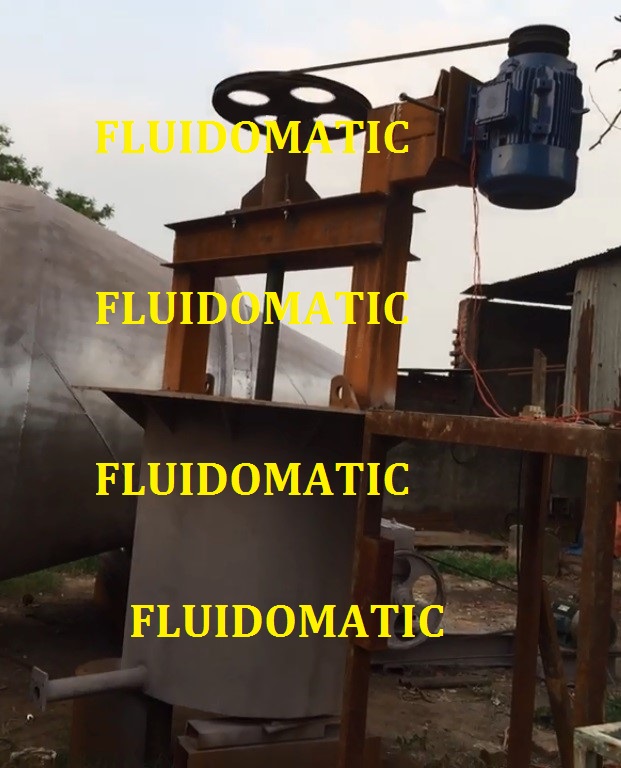
    The Refining Pot (or Refining Kettle or Alloying Pot, as it is variously called), is a mechanical mixing device with a pot and a heating arrangement. The inner pot is made of heavy MS plate with dish end bottom. It is placed within a jacket of refractory bricks, which in turn, are protected by an outer cover of MS plate with reinforcements. The pot is covered at the top with opening for feeding lead ingots and is provided with an electro-mechanical mixer. At the bottom, a heating source, usually an oil fired/ Diesel burner& sometimes by Wood burning is provided to heat the pot and to melt the lead. Once lead melts, impurities are skimmed and removed and any consumables required are added. Lead is then drained from the pot through an outlet pipe and valve.

    Capacity of such pots depends upon the requirements of particular units. Standard pot capacities made are from 3.0 Tons per Batch to20.0 Tons per Batch. Higher capacity pots are also manufactured as required by any particular establishment.

    Melting pots are installed both with and without accessories which may include Ingot Casting Machine, Ball Making Machine (where Ball Mills are installed down the line), Air Pollution Control Systems, Jib Cranes etc.
    Production Process :
    Melting Processes have been grouped as

    • Re-Melting Process
    • Refining Process
    • Alloying Process


    Re-Melting Process : This process is undertaken for value addition to the recycled lead from furnaces. Lead is melted in the pot and major impurities are skimmed from it to make it saleable in the market.
    Refining Process : Lead is melted in the pot, additives such as Sulphur, Wooden Powder and Coke Breeze are added and mixed gently followed by dross removal. Thereafter, Tin is added to remove Copper and temperature is increased to 550-6000C. Further, additives such as Sodium Nitrate & Caustic Soda are added to remove Antimony. This process is repeated to get the desired purity of lead.


    Alloying Process : Lead is melted in the pot; additives such as Sulphur, Wooden Powder & Coke Breeze are added and mixed gently followed bydross removal. Thereafter, Tin & Antimony are added to the liquid metal to get the desired grade of Lead.
    Melting processes lead to generation of air pollution at the following stages :

    • Initial heating and melting generates fumes
    • Drossing with sulphur, wooden powder and coke breeze generates lot of smoke and dust particles
    • Further heating for Refining and Alloying with different chemicals generates fumes and dust particles.


    Hence, to meet various goals of maintaining employees' health, factory environments as well as regulatory requirements, it becomes imperative to get high end Air Pollution Control Systems to be installed with the Melting Pots.
    Characteristics of Air Pollution generated in Melting Pot :

    • Dust : 500-600 mg/Nm3
    • Temperature : 60-80° C
    • Gases : Fumes and Dust


    Discharge Characteristics required as per Norms :

    • Dust - Less than 50 mg/Nm3
    • Lead ( Pb) - Less than 10 mg/Nm3
    • Temperature - 50-60° C
    • Gases - Not Detectable


    Selection & Detailson Technology for Air Pollution Control : Based on the Parameters and the Standards mentioned, the following technology is adopted for Air Pollution Control Systemin Melting Pot is Pulse Jet based Bag House Filtration System


    Specifications


    Download Detail File : Click Here
    Interested in this product? Ask for more details & Latest Price from seller
    Send Enquiry

    Product Images

    • Lead Refining Plant
    • Lead Refining Plant
    Share your requirements for a quick response!
    Tell us what you need?

    Looking for Lead Refining Plant?

    Quantity
    Seller Contact Details
    To list your productBoost Your Business Visibility WorldwideRegister Now
    To list your productBoost Your Business Visibility WorldwideRegister Now
    Waiting for permission
    To search by voice, go to your browser settings and allow access to microphone

    Allow microphone access to search with voice