
Company Information
 Member Since 3 Years
 Nature of Business Manufacturer Year of Establishment 2011
Ask for more detail from the seller
Contact Supplier
Discover everything you need to know about level gauges, including their types, applications, and maintenance. This comprehensive guide will help you make informed decisions when it comes to selecting, installing, and maintaining level gauges for your industrial or commercial needs.
Level gauges are vital instruments used to measure and monitor the levels of liquids, gases, and granular materials in tanks, vessels, and pipelines. They play a critical role in various industries, including petrochemicals, pharmaceuticals, food and beverage, water treatment, and more. A level gauge helps operators ensure that the amount of liquid or material in a tank is within safe operating limits and prevent overflows or underflows. In this comprehensive guide, we will cover everything you need to know about level gauges, including their types, applications, and maintenance.
What is a Level Gauge?
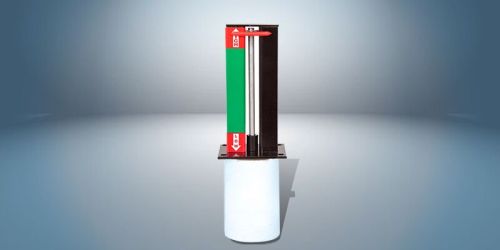
A level gauge is an instrument used to measure the level of a liquid or material in a tank, vessel, or pipeline. It consists of a transparent sight glass or tube that is mounted on the side of the tank, and it is calibrated with markings to indicate the level of the liquid or material. The level gauge can be either a direct or indirect reading, depending on the type of measurement used.
Types of Level Gauges
There are several types of level gauges available in the market. Each type has its unique features, advantages, and limitations. Here are some of the common types of level gauges:
Sight Glass Level Gauge
A sight glass level gauge is the simplest and most common type of level gauge. It consists of a transparent glass tube that is mounted vertically on the side of the tank. The level of the liquid or material in the tank is indicated by the height of the liquid in the sight glass tube.



Connect with us





 For Buyer
  For Seller
  Help
Help 

 Kamakshipalya, Bangalore, Karnataka
 Send Enquiry