
Company Information
 Member Since 1 Year
 Nature of Business Manufacturer
 GST No. 27ADQFS4403A1Z9
Ask for more detail from the seller
Contact Supplier
Understanding the Basics of Stretch Film
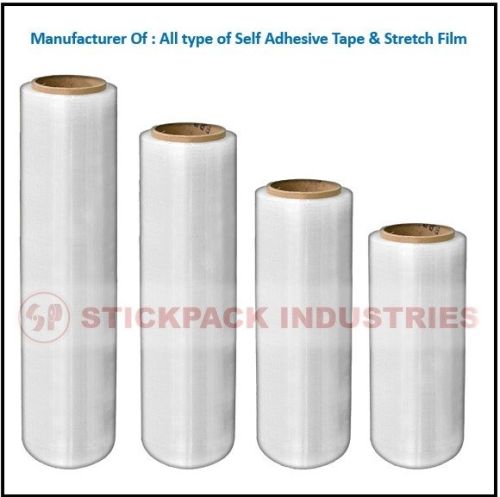
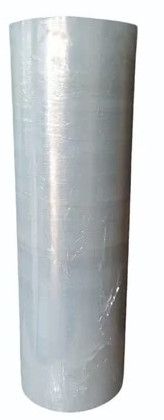
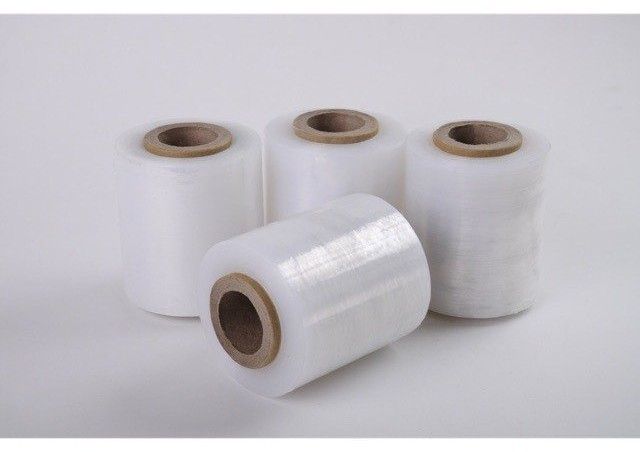
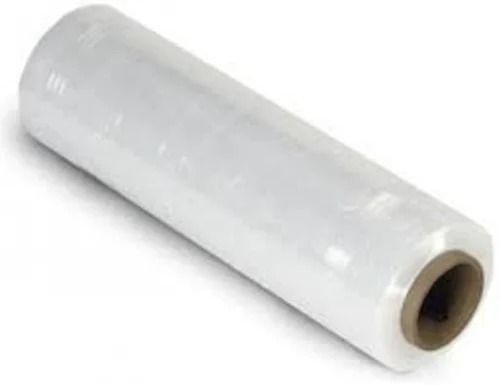
Stretch film, often known as stretch wrap, is a highly elastic plastic material commonly used to wrap around items, particularly a load of products on a pallet. Its elasticity keeps items tightly bound and secure during transport or storage. Composed of linear low-density polyethylene (LLDPE), stretch film has become an integral component in the packaging industry due to its versatility and protective qualities.
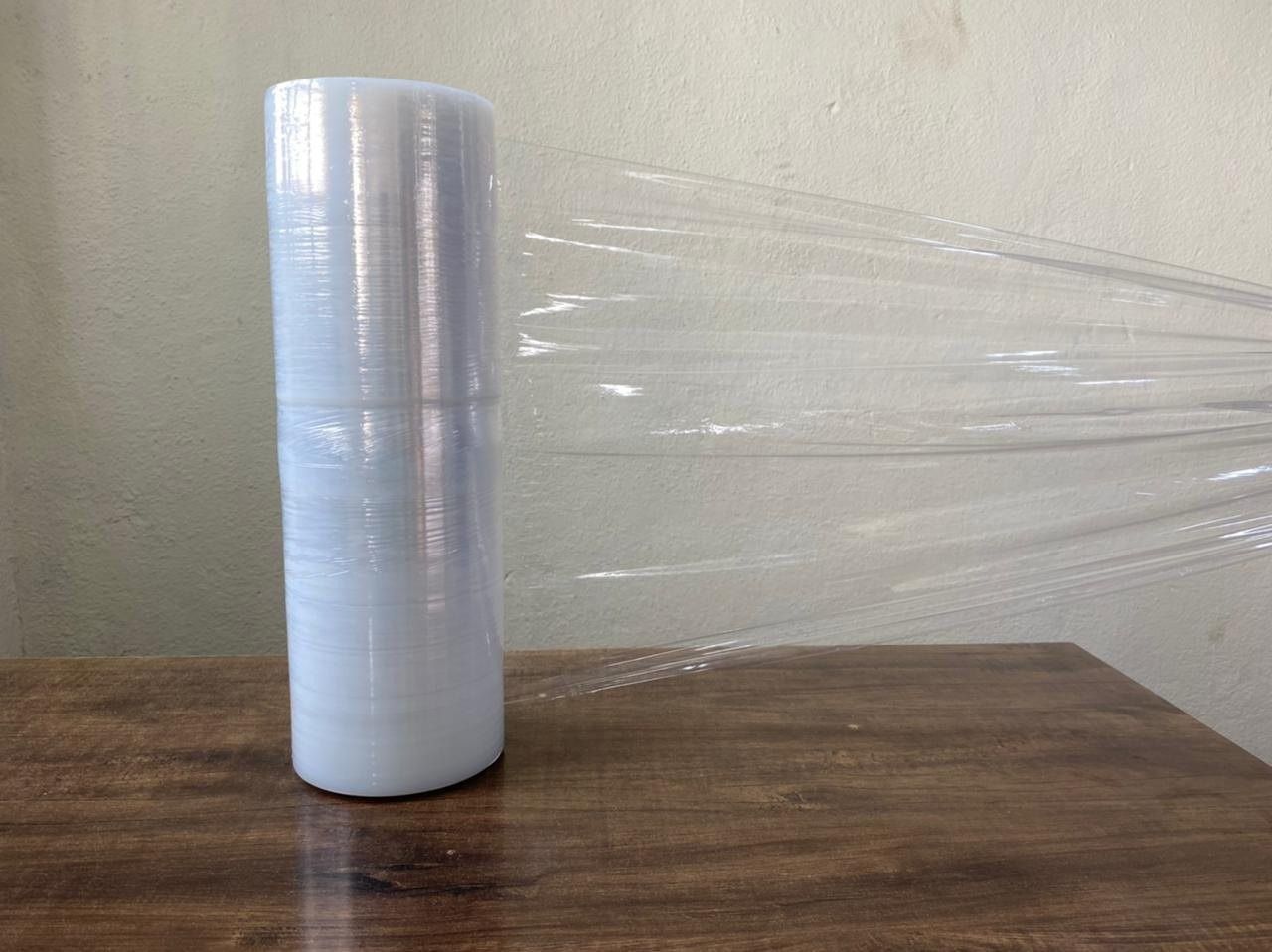
The primary function of stretch film is to stabilize and secure products during movement or shipment, preventing damage and ensuring that items stay clean and dry. Stretch film adheres to itself once wrapped around the load, creating a secure and tight hold without the need for additional adhesives, which could potentially damage the product surface.
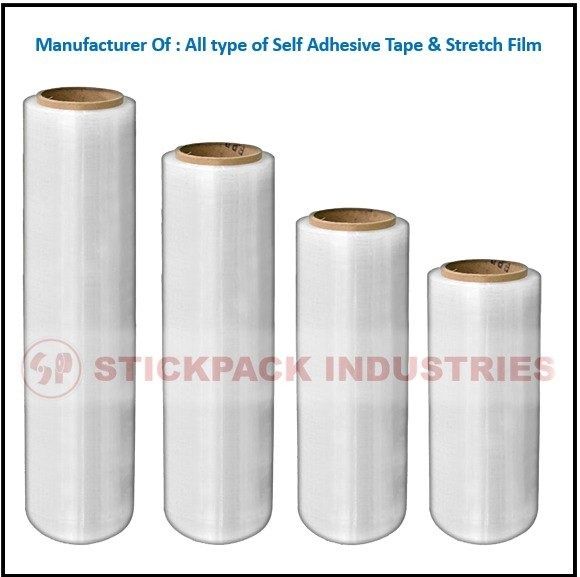
Stretch films come in various thicknesses, referred to as gauge, and roll sizes to suit different packaging needs. The thickness of the film affects its capacity to stretch, memory, and tear resistance. Choosing the correct thickness is crucial, as too thin may lead to tears, whereas too thick could increase packaging costs unnecessarily.
When applied, the film is typically stretched to 100-300% of its original length. This stretching action creates tension, which enables the film to have a memory and contract back around the products after wrapping, providing the necessary load retention. The advancements in stretch film manufacturing mean that today's films offer better stretch, puncture resistance, and clarity than ever before, making them suitable for a wide range of applications.



Connect with us





 For Buyer
  For Seller
  Help
Help 

 Narhe, Pune, Maharashtra
 Send Enquiry